
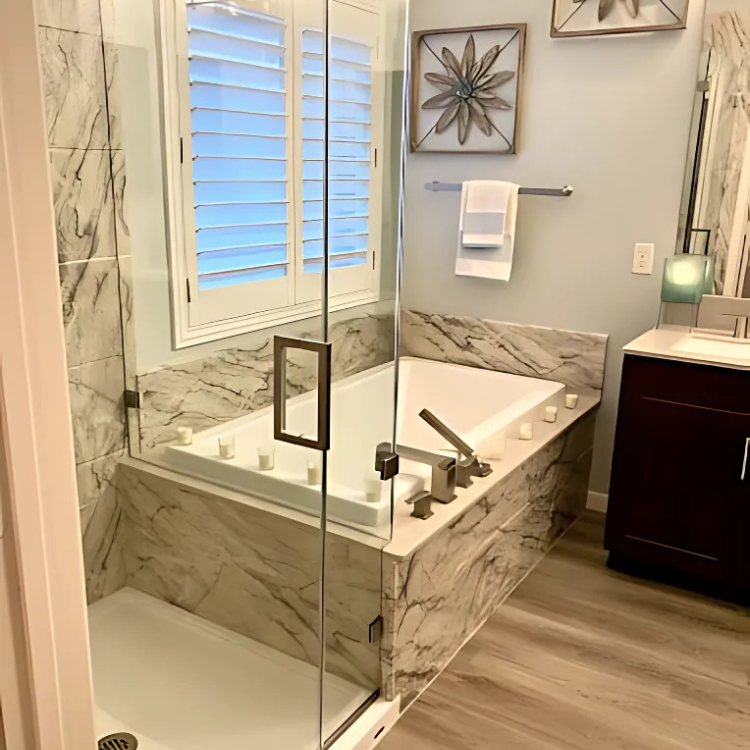
If your bathroom floor is getting damp or the shower feels drafty, the issue is often the shower enclosure fit, not just the shower head. This guide walks you through what to check in Dallas, TX, so your glass shower doors and shower enclosures help keep water where it belongs.
Your shower door can look great and still let water escape. Maybe you notice wet tile outside the glass after every rinse, or you feel cold air pushing in when the bathroom is running hot and humid. In Dallas, TX, where bathrooms often see frequent use and quick temperature swings, small gaps around the edges can turn into an ongoing cleanup problem.
You might be wondering whether frameless shower doors will actually help, or if the leak is coming from the wall or the shower pan. This guide will help you understand the common causes of leaks and drafts, what to check before you choose shower door glass, and how to make a practical, homeowner-friendly decision for your space.
- Quick answer
- What to check first
- Main considerations for leak control
- Why this matters in Dallas, TX
- Common mistakes to avoid
- Customer checklist
- Frequently asked questions
Quick Answer
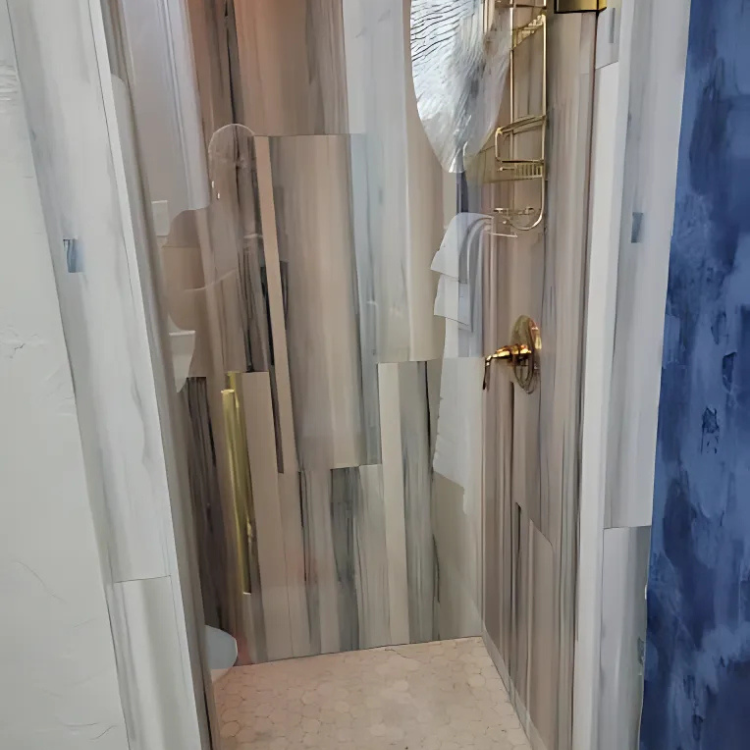
If your frameless glass shower doors are letting water out or letting drafts in, focus on the fit: alignment, edge sealing, and how the glass meets the walls and shower threshold. A properly measured custom shower glass setup with the right door style for your layout (hinged, sliding, pivot, or corner enclosure) will reduce gaps and help contain spray. For the most reliable results, start by confirming the enclosure’s measurements and checking where water is actually escaping. Then choose shower door installation that seals and supports the specific opening you have.
What to Check First
Before you pick a style, identify the exact path of the problem. Leaks can travel along the glass edge, through a poorly sealed side, or under/around the threshold. Drafts can feel worse when the door does not close fully or when the enclosure does not match the room’s layout. Start with a quick inspection after a shower: where does the water appear, and does it line up with the door’s edges or the corners?
1) Track the water line
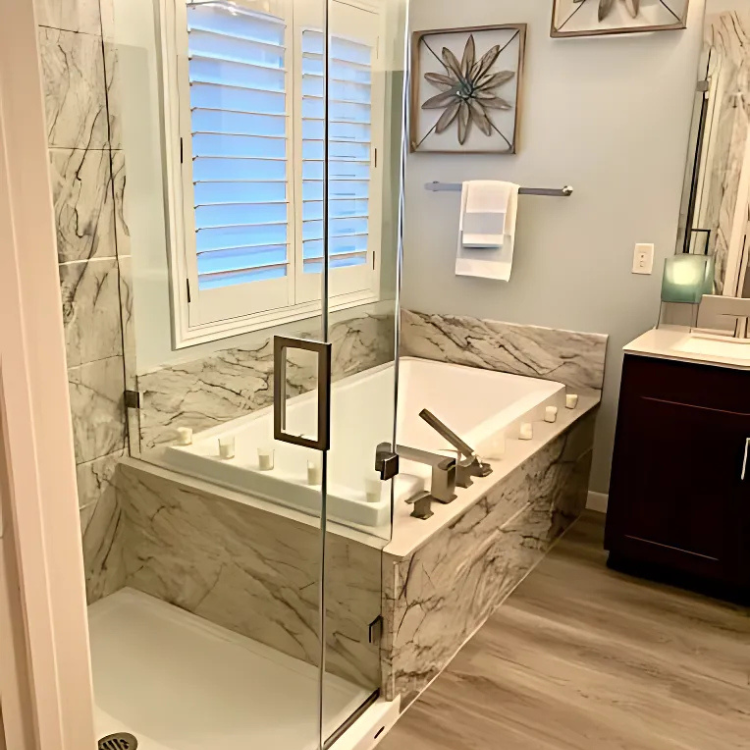
Check for dampness along the hinge side, latch side, fixed panel edges, and near the bottom gap. Water that shows up in one consistent band usually points to a sealing or alignment issue.
2) Inspect the closure
Confirm the door fully closes and stays closed. If the door doesn’t land squarely, you can get both leaks and a noticeable draft.
3) Look at the corners
Corners often need custom glass panels and careful alignment. If the wall is not perfectly plumb, a “standard” look can leave a gap.
Once you know where the water and air are escaping, you can shop with clearer expectations. If your opening needs a tailored fit, exploring custom shower glass can help you match your enclosure to the real dimensions, not just the rough measurements.
Main Things Customers Should Understand
Leak control is not only about having glass. It is about how the glass is supported, how the door closes, and how sealing is handled at the edges. “Frameless” typically means less metal in the visual line, but the performance still depends on the enclosure design, hardware alignment, and the way the shower door glass is installed to your specific opening.
Professional observation: When customers see water outside the glass, the cause is often a small gap at the sides or at the threshold, not a dramatic failure in the middle of the panel.
Door style affects spray direction
Different shower layouts handle water differently. If you have a corner or a tight bathroom, the best door style is the one that closes squarely and keeps the door’s travel path from misaligning with the threshold. For example, hinged and pivot designs can work well when the door is aligned to the opening and seals evenly. Sliding designs can be a practical choice when space is limited, but the overlap and track fit matter for containment.
Sealing and alignment are the performance drivers
Even with a clean, modern look, a frameless shower door will only help if the glass panels are installed to the right tolerances. That includes ensuring the door lands correctly, the fixed panels are positioned to match the walls, and the enclosure is configured to reduce direct spray escape.
Consider the full shower enclosure, not just the door
A leak can start at where a door meets a fixed panel, or where a glass wall panel meets the shower area. If you are replacing older shower components, think in terms of the whole shower enclosure: door, fixed panels, and the overall layout. Many homeowners find it helpful to review options for shower enclosures as a complete system.
Practical tip: If the bathroom has a noticeable temperature difference when you shower, that is a clue the enclosure is not closing as intended. A good fit can reduce drafts while also improving water containment.
Representative example (anonymized)
A Dallas homeowner replaced an older shower door but continued to find dampness outside the glass along the latch side. After checking the closure, they realized the door was not landing evenly and the gap changed slightly after the door was used. The fix was not “more glass.” It was reworking the enclosure fit so the glass panels and door alignment matched the opening, improving both containment and comfort.
Why This Matters in Dallas, TX
In Dallas, TX, many homes use bathrooms year-round, and shower areas can go from hot to cooler conditions quickly. That makes drafts more noticeable and helps highlight enclosure issues that might not be obvious in a less frequently used bathroom. If your shower is near a vent, exterior wall, or a spot where airflow shifts, small gaps around frameless shower doors can translate into both comfort problems and extra moisture outside the enclosure.
If you want to keep the look you like while improving containment, pairing the right door style with a precise fit is usually the difference. For some layouts, a sliding option can help when space constraints affect how the door closes. You can compare approaches by reviewing sliding shower doors and how they work with your available space.
Common Mistakes to Avoid
Most leak complaints come from avoidable gaps in the decision process. People often focus on the glass style or finish, while the real problem is the measurement-to-fit relationship and door closure alignment. Here are the most common missteps we see when homeowners try to solve “leaks and drafts” without addressing the enclosure design.
| Common mistake | What it causes | What to do instead |
|---|---|---|
| Choosing a door style based only on appearance | Door travel or closing angle can leave gaps that let spray escape. | Match door style (hinged, pivot, sliding, or corner enclosure) to how your opening is used. |
| Assuming frameless means “no sealing considerations” | Water escapes at edges if alignment and sealing are not addressed. | Confirm the whole enclosure fit and how the glass meets the walls and threshold. |
| Ignoring where the water appears after showering | You fix the wrong side or panel, so drafts and dampness continue. | Track the damp area and talk about it in terms of door edges and corners. |
| Replacing only the door without reviewing the enclosure | Fixed panels and glass wall panels can still create escape paths. | Consider the full shower enclosure, including fixed glass panels and layout. |
Customer Checklist
Use this checklist before you decide on your next shower door glass or shower enclosure. It keeps the conversation practical and makes it easier to choose the right custom solution for your Dallas, TX bathroom.
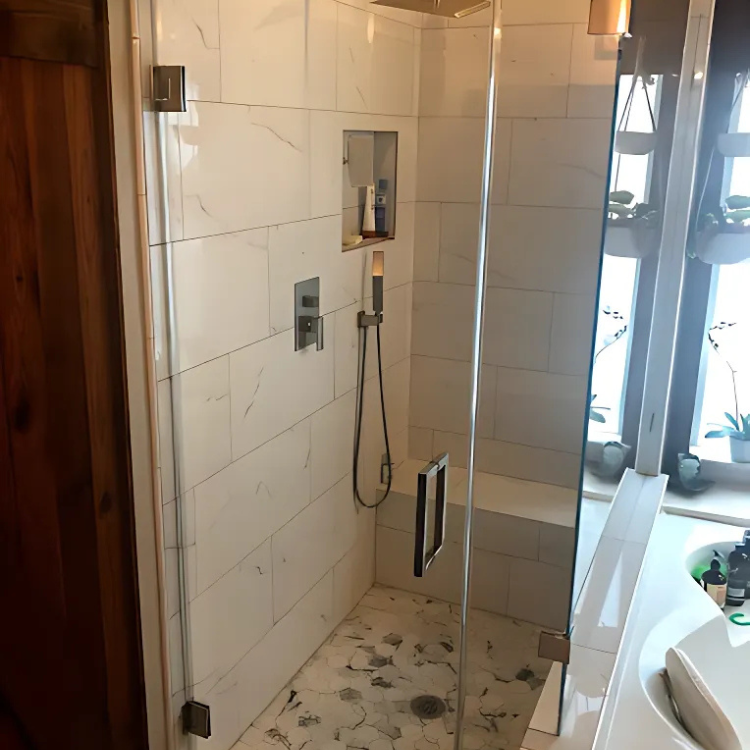
- Identify where water is escaping after a shower (hinge side, latch side, bottom gap, or corners).
- Confirm the door fully closes and lands evenly every time.
- Measure the opening and note any wall irregularities you have observed.
- Decide which door style fits your space and how you move in and out of the shower.
- Plan for the whole enclosure (door plus fixed panels) instead of focusing on the door alone.
- Consider whether you also want related upgrades like custom mirrors or other glass details.
Need help choosing the right enclosure fit?
When leaks and drafts keep coming back, it usually means the enclosure needs a better match to your opening. Share what you are seeing in your Dallas, TX bathroom and we will help you think through the next step.
Call Shower Doors of DallasFrequently Asked Questions
Do frameless shower doors actually reduce leaks?
They can, but the key is installation and fit. Frameless shower doors often use clear glass with minimal framing, which can look modern while still performing well. If the enclosure is aligned properly, the door closes squarely, and the glass panels are configured to seal at the edges, you can see less water escaping outside the shower. If the gap is at a side or threshold, addressing the enclosure design and measurement-to-fit is what typically improves containment.
What causes drafts around a shower enclosure?
Drafts usually show up when the door does not fully close or when the enclosure is not configured to match the opening. Even small gaps can feel noticeable, especially in a bathroom with airflow from vents or temperature changes. The solution is often not a “bigger” door, but better alignment and a layout that reduces direct pathways for air movement around the edges of the glass. A custom approach is often the most practical route for older or irregular openings.
Is sliding better than hinged for keeping water inside?
Neither style is automatically better. Sliding shower doors can work well when space is tight and the overlap and track fit help the door close effectively. Hinged doors can perform strongly when the door lands squarely and seals evenly along the edges. The right choice depends on your shower enclosure layout, how the door closes in your specific opening, and where water escapes. The goal is an enclosure that closes correctly and maintains an effective barrier at the edges.
Should I replace the whole shower enclosure or just the door?
If the leak is related to how the glass panels meet the walls or how fixed panels connect to the door, replacing only the door may not resolve the issue. Many homeowners get better results by treating the shower as a complete enclosure system, including fixed glass panels and the door itself. A walkthrough focused on where the water appears after each shower helps determine whether the problem is limited to the door area or involves the surrounding enclosure components.
Can custom glass panels help with corner shower enclosures?
Yes. Corner shower enclosures often require a tailored approach because wall angles and openings may not be perfectly uniform. Custom glass panels can help the enclosure fit the real geometry of the space and reduce gaps at the corners where water and air can escape. If you are dealing with a neo angle or corner layout, the best results typically come from measuring the opening carefully and designing the enclosure to match it, rather than relying on a one-size-fits-all configuration.
Ready to stop the leaks and drafts?
If your Dallas, TX shower door glass is letting water out or creating a drafty feel, the next step is reviewing your enclosure fit and door style for your exact opening. Shower Doors of Dallas can help you think through the right glass shower doors and shower enclosure approach for your bathroom.
Explore Shower Door Options
About Shower Doors of Dallas
Shower Doors of Dallas focuses on shower doors and custom glass solutions for bathrooms across Dallas, TX and nearby areas. Whether you are looking at frameless shower doors or other enclosure styles, the goal is the same: a clean, modern look paired with a better fit that helps reduce leaks and drafts.
Phone: (214) 530-5483 | Website: https://goframeless.com/