
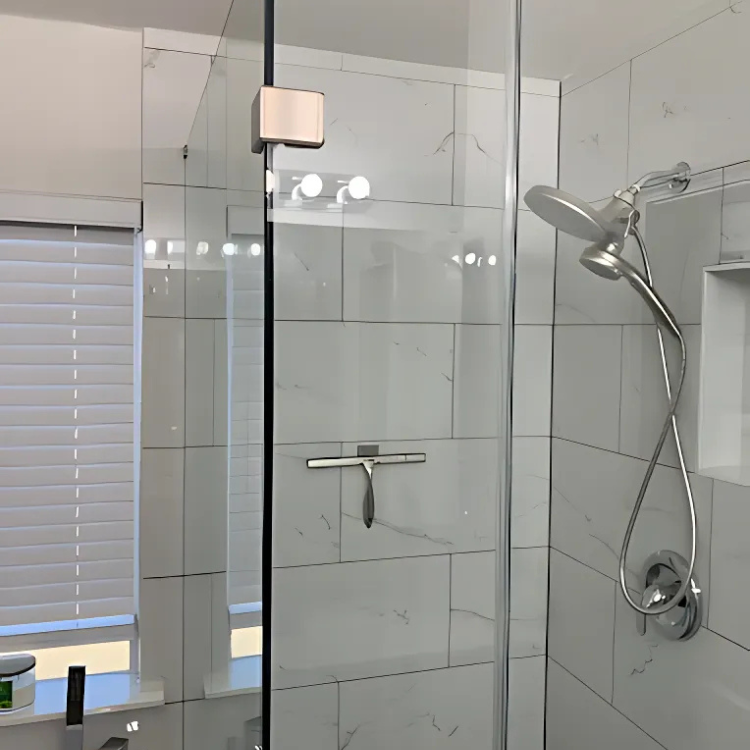
How Often to Clean and Maintain Glass Shower Doors
Glass shower doors look best when you treat maintenance like a routine, not a rescue job. This guide explains how frequently to clean glass shower doors, what to do weekly versus monthly, and how to keep frameless shower doors and shower enclosures clear, smooth, and easier to operate in Dallas, TX.
After a few weeks, your glass shower door can start looking “hazy” even if you wipe it down sometimes. In Dallas, TX, that film often shows up as water spots and soap residue around the hinges, tracks, and edges, especially in bathrooms that get frequent use.
If you are planning to clean more often but want to avoid scratching or damaging the glass, you are in the right place. This guide helps you set a simple schedule for cleaning and maintenance, spot early warning signs, and decide when it is worth calling for shower glass installation or shower door replacement instead of scrubbing harder.
- Quick answer
- What to check first
- Main things customers should understand
- Why this matters in Dallas, TX
- Common mistakes to avoid
- Customer checklist
- Frequently asked questions

Quick Answer
For most homes, wipe the glass shower door after showers (or at least 3 to 5 times per week), do a deeper clean every 1 to 2 weeks, and check the hardware monthly. If you notice stubborn spotting, inspect seals and tracks right away, because residue often builds at the edges where water collects. A practical recommendation: use a non-abrasive cleaner and a soft microfiber cloth, then dry the glass to reduce mineral spots. If your shower door glass is already etched, cloudy, or the door does not glide smoothly, consider a professional assessment for shower glass replacement.
What to Check First
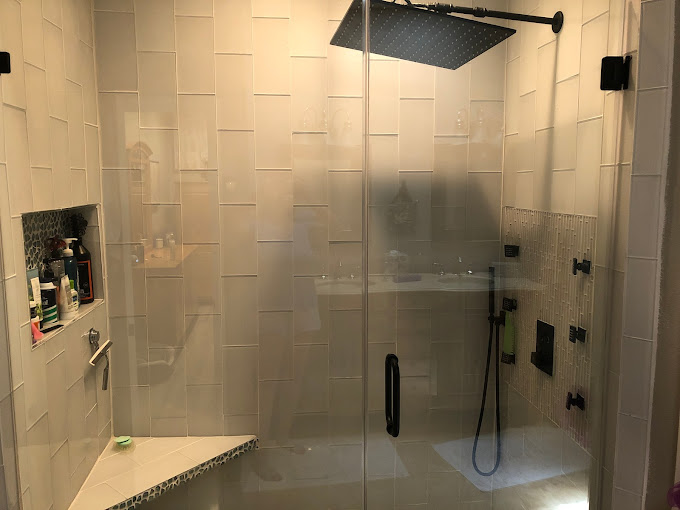
Before you pick a cleaning product or a schedule, take two minutes to identify where the buildup starts. Water spots typically concentrate on the areas that stay wet longest: the bottom edge, the corners, and any seam lines around the door and shower enclosure. Soap scum tends to cling near the waterline and around handles, hinges, and any frame or channel.
Look for the pattern
If the cloudiness is strongest at the bottom, you likely need more drying and edge cleaning. If it is streaky across the whole door, focus on how you rinse and wipe after each shower.
Check the hardware
For sliding shower doors, inspect the track area for residue. For hinged shower doors, check hinge movement and how evenly the door closes.
Inspect seals and edges
When seals are worn or not aligned, water finds new paths and leaves mineral deposits that are harder to remove over time.
Main Things Customers Should Understand
How often to clean depends on usage and the type of shower setup. A single-occupant bathroom may only need a quick wipe and weekly deep clean, while a busy household or a property with high turnover may require more frequent maintenance to keep glass shower doors looking clear.
Professional observation: The easiest time to prevent buildup is right after the shower. Once residue bonds to the glass surface, it often takes stronger scrubbing, which increases the chance of fine scratches or dulling over time.
Suggested cleaning rhythm (typical Dallas households)
Use this as a starting point and adjust based on what you see on the glass shower door glass and the surrounding shower enclosures.
| Task | How often | What to focus on | Why it matters |
|---|---|---|---|
| Quick wipe | After showers, or 3 to 5 times per week | Door glass, especially bottom edge and corners | Reduces mineral deposits and soap haze |
| Deep clean | Every 1 to 2 weeks | Full door surface, handles, and waterline area | Keeps glass clear without harsh scrubbing |
| Hardware check | Monthly | Hinges, rollers, track area (sliding doors), seals | Improves operation and limits residue buildup points |
| Edge and seal inspection | Every 2 to 3 months | Alignment, wear, and where water escapes | Prevents recurring spotting and streaking |
What “maintenance” really includes
Cleaning is only one part. Maintenance means keeping water from “living” on the glass and keeping the door running smoothly. For example, sliding shower doors often collect residue in the track, while hinged shower doors can show spotting around hinge lines if the door does not close evenly. If you have a corner shower enclosure or a neo angle shower doors setup, pay extra attention to the corners because water tends to linger there.
Why this matters in Dallas, TX
In Dallas, TX, many bathrooms see frequent showers and quick temperature swings between hot water and cooler air. That combination can leave more visible water spots on glass shower doors, especially when the door is left wet longer after use. If your home has hard-water effects or you notice faster spotting in one bathroom than another, your schedule should match the reality of that specific shower enclosure.
Local tip for homeowners: If you use a bathroom fan, try running it a bit longer after showers. Less moisture in the air helps reduce how long water sits on the glass and can make weekly deep cleaning easier.
A representative scenario (what we commonly see)
A Dallas homeowner with frameless shower doors noticed the glass stayed cloudy even after wiping. The glass did look cleaner right after cleaning, but within days the haze returned, starting at the bottom edge and around the door edges. After a closer inspection, the main issue was residue collecting in the edge areas and a wiping routine that did not fully dry the corners. The fix was not “stronger cleaner.” It was a better routine: quick post-shower wipe, a scheduled deeper clean, and targeted attention to the edges where water lingered.
Need help dialing in maintenance for your shower doors?
If you are not sure whether your issue is water spots, soap scum, or something related to shower door operation, Shower Doors of Dallas can help you identify the best next step.
Contact Shower Doors of DallasCommon Mistakes to Avoid
Most glass shower door problems are not caused by “not cleaning enough.” They come from cleaning methods that accidentally make buildup harder to remove later or damage the glass surface over time.

- Using abrasive sponges or rough scrubbers that can dull glass and make it harder to keep clear.
- Letting cleaner dry on the glass instead of following the directions and rinsing properly.
- Focusing only on the center of the door while ignoring corners, edges, and hardware zones.
- Forgetting the track area on sliding shower doors where residue collects and transfers to the glass.
- Waiting too long when the door does not close evenly, since water escape points lead to recurring spotting.
- Assuming etched or permanently cloudy glass will “come back” with regular cleaning.
Customer Checklist
Use this checklist to set a realistic maintenance routine for your glass shower doors. It is designed to be doable week to week, not a complicated project.
- After showers: wipe the glass and dry the bottom edge and corners.
- 1 to 2 times per month: remove buildup with a non-abrasive approach and rinse thoroughly.
- Monthly: check hinges, rollers, and seals for smooth operation and alignment.
- Every 2 to 3 months: inspect where water escapes and correct the root cause, not just the symptoms.
- When spotting persists: review your routine and consider professional advice for shower glass replacement if the glass is etched or the enclosure is not performing correctly.
Choose the right support for your setup
If you are planning upgrades while you improve maintenance, it helps to match the door style to how your bathroom is used. For example, you may want to review frameless shower doors if you prefer a clean look with fewer visual barriers to wipe. If space is tight or the layout calls for smooth operation, explore sliding shower doors. For a complete look across the whole enclosure, see shower enclosures.
| Shower door type | Where buildup shows first | Maintenance focus | Best fit for common needs |
|---|---|---|---|
| Hinged shower doors | Hinge lines and the bottom edge | Check even closure and keep edges dry | Bathrooms where swing clearance works |
| Sliding shower doors | Track area and door overlap seams | Clean track zones and inspect rollers | Space-saving setups |
| Corner shower enclosures | Corners and angled edges | Dry corners thoroughly after showers | Efficient layouts that need a tailored fit |
| Frameless glass shower doors | Edges and micro-zones where water lingers | Consistent drying and gentle cleaning | Customers who prioritize a clean, modern look |
Frequently Asked Questions
What is the best frequency to clean shower door glass?
Most homeowners do best with a quick wipe after showers (or a few times per week), then a deeper clean every 1 to 2 weeks. If you see water spots returning quickly, increase drying and inspect the edges and corners first. Monthly hardware checks also make a difference, especially for sliding shower doors where residue can collect in the track. The goal is to prevent buildup from bonding to the glass so you can clean with a gentle approach instead of scrubbing harder later.
Can I use the same cleaner every time?
It is usually best to use a non-abrasive cleaner and follow the product directions. If you switch products, do a small test on an inconspicuous area first and rinse well. Avoid anything that is too harsh or abrasive, because fine scratches can make glass look cloudy faster over time. When in doubt, start with a routine that includes wiping and drying after showers, then use deeper cleaning on a schedule. If the glass is already etched or the door does not operate smoothly, cleaning alone may not fix the root issue.
Why do water spots come back so fast in my bathroom?
Water spots return quickly when water is staying on the glass longer than it should, especially at the bottom edge and corners. It can also happen if seals are not aligned or if the door does not close evenly, allowing water to escape and land on new surfaces. In Dallas, TX, bathroom moisture and usage patterns can make spotting more visible. A practical approach is to dry the glass consistently after showers and to check the edges and hardware monthly. If spotting persists in the same areas even with good cleaning, it may be time to inspect the shower enclosure performance.
Should I clean the track for sliding shower doors?
Yes. For sliding shower doors, residue in the track can transfer to the glass and contribute to streaking or buildup along seams. A monthly track check is a helpful maintenance habit. If you notice the door is not gliding smoothly or you see residue that keeps coming back, focus on the track area and rollers rather than only the glass surface. Keeping operation smooth also helps the door close evenly, which reduces the chance of water escape points that lead to recurring spotting.
When should I consider shower door replacement or shower glass replacement?
Consider professional help when cleaning cannot restore clarity or when the door operation is affected by hardware issues or misalignment. If the glass appears permanently cloudy or etched, it may not respond to regular maintenance. Also, if seals are worn or the door is not closing evenly, replacement may be the most practical path. A technician can help identify whether you need shower door replacement, shower glass replacement, or a targeted fix to the enclosure so your maintenance routine actually holds longer.
Want a clear, low-hassle shower setup in Dallas?
Shower Doors of Dallas helps homeowners and property managers choose and maintain glass shower doors, including custom shower glass and updated shower enclosures that are designed for everyday use.
Call (214) 530-5483
Shower Doors of Dallas provides glass shower door solutions for Dallas, TX and surrounding areas. Whether you are exploring frameless shower doors, sliding shower doors, corner shower enclosures, or custom interior glass, the focus is on practical design and maintenance-friendly performance.
To learn more about options for your space, visit custom shower glass and browse related glass solutions like custom mirrors.