
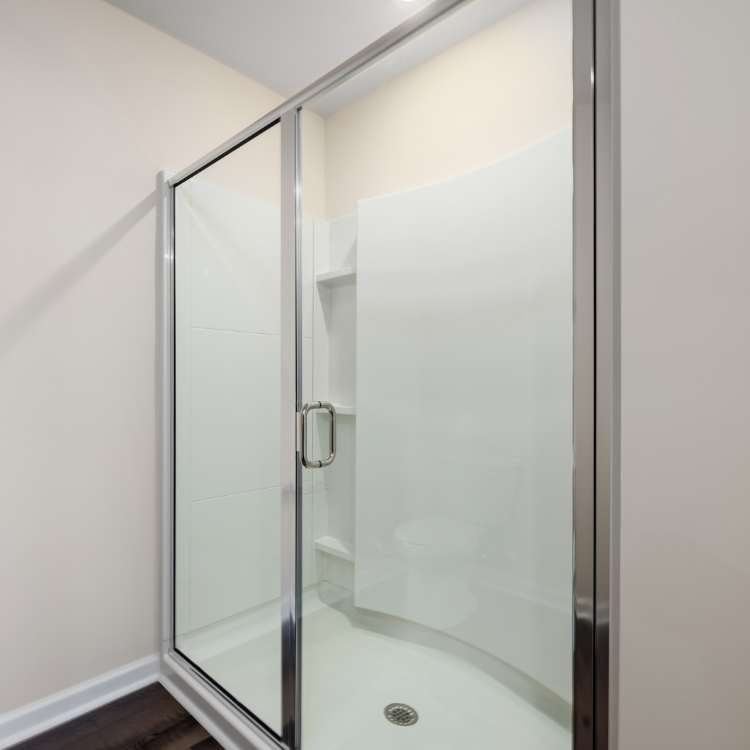
Signs Your Sliding Shower Door Tracks Need Service
If your sliding shower doors in Dallas, TX feel rough, noisy, or less water-tight than they used to, the track system is often the culprit. This guide helps you spot the early warning signs, understand what usually causes them, and decide what to check before you schedule sliding shower doors service.
Last week, a homeowner in Dallas noticed their sliding shower door would only move smoothly if they lifted it slightly. A few days later, the door started to “catch” mid-track, and water began creeping out at the bottom edge after every shower.
That combination is a common moment of decision. Do you keep adjusting it yourself, or do you get the track checked before the problem spreads to the glass panels, rollers, or door alignment? In this guide, you will learn the most reliable signs of track trouble, what they typically mean, and how to take a quick, practical look that can save you time and avoid repeat frustration.
- Quick answer
- What to check first
- Main considerations
- Why this matters in Dallas, TX
- Common mistakes to avoid
- Customer checklist
- Frequently asked questions
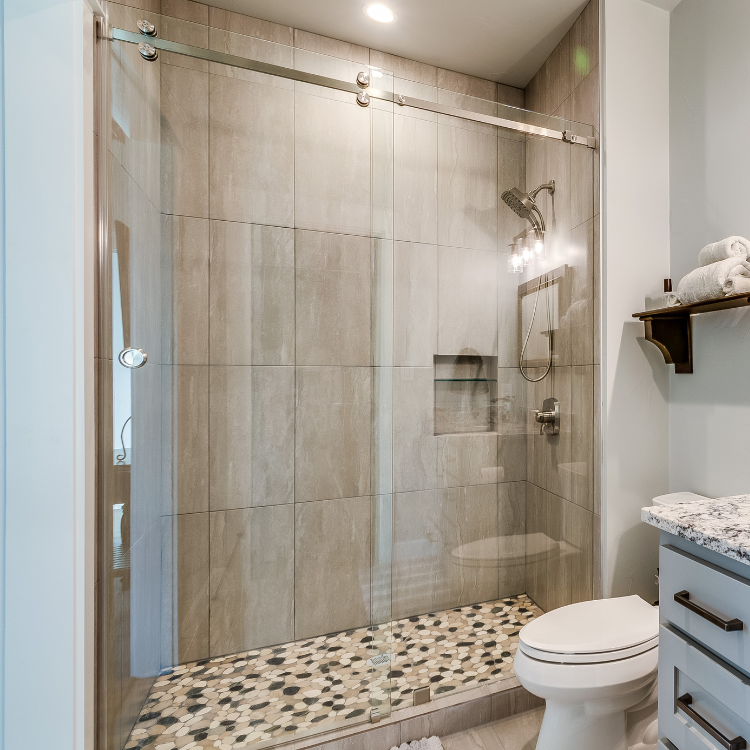
Quick Answer
If your sliding shower door tracks are dirty, misaligned, or worn, the door will often move unevenly, make grinding sounds, or stop short of fully closing. Start by checking for visible debris, standing water, and uneven gaps along the bottom edge. If the door catches, rolls feel gritty, or water escapes consistently, it is usually time for professional track and roller service rather than repeated manual adjustments. A practical next step is to schedule an inspection with shower enclosures specialists who can confirm whether the issue is track buildup, hardware wear, or glass panel alignment.
What to Check First
Before you call anyone, take a minute to observe how the door behaves. These first checks help you separate “normal maintenance” from issues that can damage the hardware or the glass wall system.
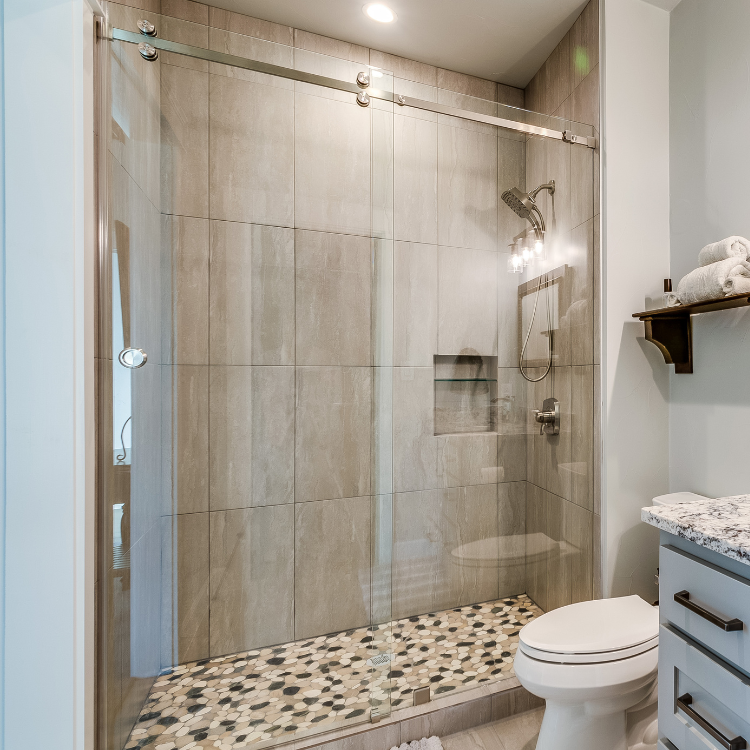
1) Movement and sound
Slide the door slowly from one side to the other. Note any sticking points, grinding noises, or sudden changes in resistance. Track problems often show up at the same location each time.
2) Closing consistency
Watch whether the door reaches the same “fully closed” position every time. If it stops early, the track may be obstructed or the rollers may be out of alignment.
3) Water escape pattern
After a shower, check where water appears. If leakage is concentrated near the bottom corners, the track area is often involved, especially if the door is not sitting evenly.
- Look for buildup: Inspect the track for soap scum, mineral deposits, and debris.
- Check for standing water: If the track holds water longer than expected, it can accelerate grime buildup.
- Feel for roller drag: If the door feels gritty or jerky, it can indicate worn rollers or contamination.
- Observe the gap: Compare left-to-right gaps when closed. Uneven gaps often point to alignment issues.
- Notice new symptoms: Sudden changes after cleaning, a minor impact, or seasonal humidity shifts can signal misalignment.
Main Things Customers Should Understand
Sliding shower doors rely on a track system that keeps rollers moving smoothly and maintains proper alignment for water-tight closure. Over time, that system can fall out of balance for a few common reasons. Understanding these “why” factors makes it easier to explain the problem and choose the right next step.
Professional observation: The track does not just collect soap scum. It also collects the residue from everyday cleaning and the mineral content from shower water. In Dallas homes, that buildup can become noticeable during periods of heavier use, and it often shows up as stiffness first, then noise, then leaks.
Common signs the track needs service
- Grinding or squeaking: Often linked to debris in the track channel or rollers that are not rolling freely.
- Door drags in one spot: A partial obstruction or roller wear can create a repeatable “catch point.”
- Uneven closure: If one side closes fully and the other side leaves a gap, alignment and roller seating are usually involved.
- Water leaking at the bottom: Even small misalignment can reduce how well the door seals.
- Door feels heavier than before: Build-up and friction increase the effort needed to move the glass panels.
What service typically focuses on
When you request sliding shower door help, the goal is not just to “get it moving today.” A good track service approach usually checks the track condition, roller condition, and how the door settles when closed. In some cases, the solution is cleaning and adjustment. In others, worn components or misalignment require replacement or reconfiguration of the shower enclosure hardware.
| What you notice | Likely track-related cause | What to do next |
|---|---|---|
| Door catches mid-slide | Buildup in the track channel or contamination around rollers | Inspect visually first, then schedule a track and roller check if it repeats |
| Uneven gaps when closed | Roller seating or alignment shift along the track | Avoid repeated forced closing and get alignment verified |
| Bottom edge leaks after showers | Door not sitting evenly, often due to track or roller issues | Have the door alignment and seal contact inspected |
| Grinding noise without obvious debris | Worn rollers or friction points that buildup cannot explain | Professional service is recommended to prevent further wear |
| Door feels heavier over time | Accumulated mineral residue increasing friction | Start with maintenance and monitor for worsening symptoms |
Why This Matters in Dallas, TX
In Dallas, TX, bathrooms often see consistent daily use, and mineral deposits can build up steadily. As residue accumulates, sliding door tracks become more restrictive, which can turn a minor stiffness issue into a closure and sealing problem. Once the door stops seating evenly, water can escape along the bottom edge and you may see more moisture around the surrounding bathroom glass panels and shower enclosure surfaces.
If you are considering a refresh beyond track service, it can also be helpful to compare enclosure styles. Many homeowners upgrade hardware and configurations while maintaining the glass look they want.
For related options, you can explore custom shower glass and how enclosure layouts are designed for smooth operation and clean lines.
Get your sliding shower door track inspected
If your sliding door catches, squeaks, or leaves a gap at the bottom, the track and rollers are worth a closer look. We can help you identify what is causing the issue and what should be addressed first.
(214) 530-5483Common Mistakes to Avoid
DIY adjustments are tempting, especially when the door feels “almost okay.” But certain actions can worsen track issues, leading to faster roller wear or misalignment that makes leaks more likely.
What not to do:
- Do not force a stuck door. If the door catches repeatedly, pushing through it can damage rollers or shift the glass panel setup.
- Do not ignore consistent leaks. If water escapes after every shower, it usually means the door is not seating correctly, not just that the area needs extra wiping.
- Do not rely only on quick cleanups. Surface cleaning may help temporarily while deeper track friction or worn rollers continue to create problems.
- Do not assume “it will loosen up.” Track resistance often increases as buildup hardens over time.
Customer Checklist
Use this checklist before you schedule service. It helps your technician understand the symptoms quickly and can reduce back-and-forth during the visit.
- Symptom timeline: When did the problem start, and did it change suddenly or gradually?
- Door behavior: Does it catch, squeak, or drag? Where does it happen (left, center, right)?
- Closing position: Does it fully close every time without extra pressure?
- Leak locations: Where do you see water after use (bottom center, corners, along one side)?
- Cleaning history: What products have you used recently, and did symptoms change after cleaning?
- Visible track condition: Is there noticeable buildup or debris in the track channel?
A Representative Scenario (Dallas, TX)
A property manager in Dallas, TX manages a rental unit with a sliding shower door that initially became noisy. The door still closed, so the issue was treated as “normal wear.” After a few weeks, the door started catching near the same point and water began appearing along the bottom edge after showers. The track inspection revealed contamination affecting roller movement, along with an alignment issue that prevented even seating when closed. Addressing the track and roller operation helped the door move smoothly again and improved water-tight closure.
Frequently Asked Questions
How can I tell if the track buildup is the main problem?
If the door feels gritty, catches at the same spot each time, or becomes harder to slide over a short period, buildup is often involved. You can also look for visible residue inside the track channel and check whether the door’s movement improves right after cleaning. If symptoms return quickly or you notice uneven closure or leaks, the cause may include more than buildup, such as roller wear or alignment changes.
Should I keep adjusting the door if it leaks at the bottom?
Repeated adjustments can help only if the issue is minor and the door is still structurally aligned. If the leak is consistent after showers, it usually means the door is not seating evenly. That can be related to roller condition, track friction, or alignment along the shower enclosure. Instead of repeatedly forcing the door into a “closed” position, it is smarter to have the track and roller operation checked so the fix addresses the root cause.
What usually causes sliding shower doors to become noisy?
Noise often comes from friction. Common sources include mineral deposits in the track channel, soap scum residue, contamination around the rollers, or roller wear that creates metal-on-metal contact. Sometimes a small shift in alignment increases contact points between hardware components. If the noise started suddenly, it can also be tied to changes after cleaning or after the door was bumped. A track inspection can confirm which factor is driving the noise.
Can track problems affect the glass shower panels?
Yes. While the glass itself is strong, misalignment and excessive friction can add stress to the door’s mounting and hardware over time. If the door does not close evenly, the glass panel can settle differently from its intended position, which increases the chance of continued leaks and accelerated wear. Addressing track issues early helps protect the overall shower door operation and maintains the enclosure’s intended fit.
What options are available if the sliding door needs more than cleaning?
Depending on what the inspection finds, service may involve cleaning and adjustment, roller replacement, or correcting alignment so the door seats properly. If your shower enclosure layout or glass configuration is due for an update, it may also be possible to address the broader system while keeping a consistent design. You can review options like custom interior glass and frameless glass shower doors to understand how different configurations are built for smooth operation.
Talk to Shower Doors of Dallas
If you are dealing with a sliding shower door that catches, squeaks, or leaks, the track system is a smart place to start. Share what you are seeing and we will help you determine the next best step for your Dallas, TX bathroom.
Visit goframeless.com
Shower Doors of Dallas
Shower Doors of Dallas helps Dallas, TX homeowners and property teams with shower enclosure solutions, including frameless shower doors and custom glass applications that fit cleanly into today’s bathrooms.
If your sliding shower doors are showing signs of track trouble, a focused inspection can help identify whether the issue is buildup, roller wear, or alignment. That way, you get an approach that matches what your shower enclosure actually needs.