
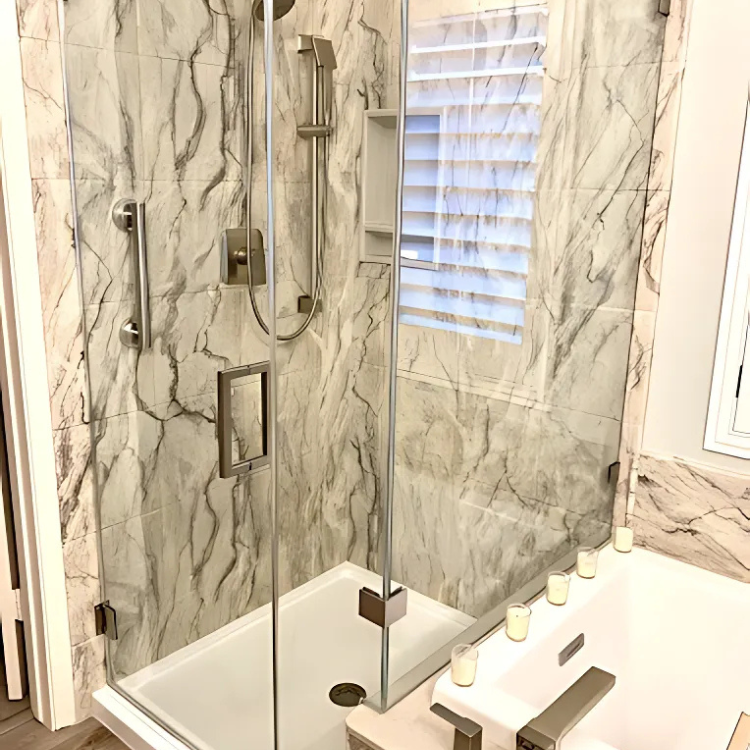
Why Your Glass Shower Doors Sweat and How Fix It
If you wipe your glass shower doors every week and still notice fogging, water spots, or a damp haze right after showers, the cause is usually a mix of airflow, temperature, and how the shower enclosure is sealing. This guide explains what fogging means, what to check first, and what kinds of shower glass installation details can reduce it in Dallas, TX homes.
You hop in for a quick shower, close the shower door, and within minutes the glass turns hazy. By the time you’re done, droplets have formed a film, and you can see streaking where the water dries. In Dallas, TX, that fogging can feel especially noticeable when you switch between hot showers and cooler bathroom temperatures.
This guide helps you understand why shower door glass sweats, how to narrow down the cause without guesswork, and what fixes make the biggest difference. You’ll also see practical tips for custom shower glass, including frameless shower doors and shower enclosures that help the water stay where it belongs.
- Quick answer
- What to check first
- Main things customers should understand
- Why this matters in Dallas, TX
- Common mistakes to avoid
- Customer checklist
- Frequently asked questions
Quick Answer
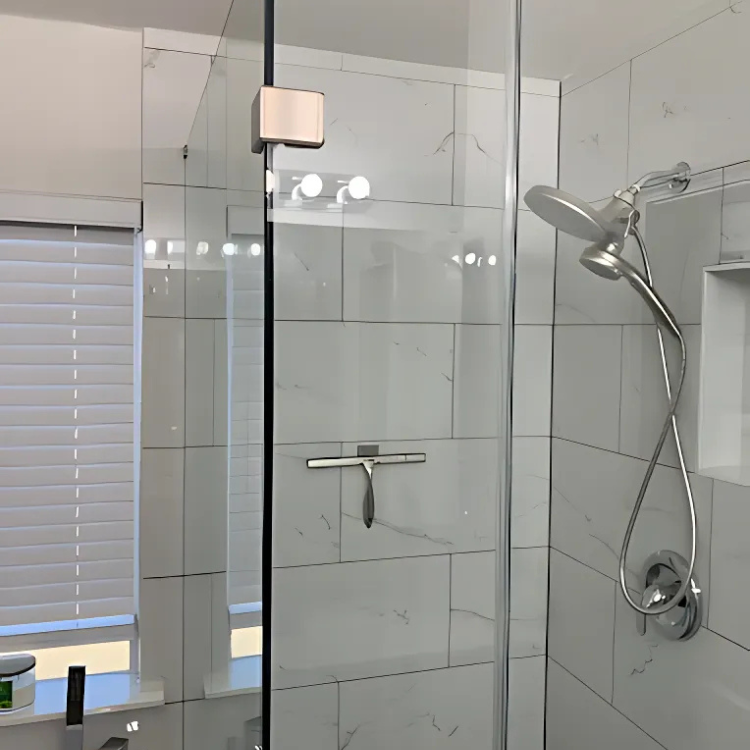
Glass shower doors typically sweat because warm, humid air from the shower contacts cooler glass surfaces and condenses into droplets. Start by improving airflow and verifying the door seals and alignment so steam does not escape and hit the glass unevenly. Use a squeegee after showers and clean with a method safe for shower door glass to reduce streaking. If fogging is paired with water leaking or gaps, the most effective fix is often adjusting or replacing shower door components, including the shower enclosure setup.
What to Check First
When fogging keeps coming back, don’t treat it as a “cleaning only” problem. Begin with the simplest factors you can verify without tools, then move to enclosure details that affect how steam and water travel.
1) Ventilation and bathroom airflow
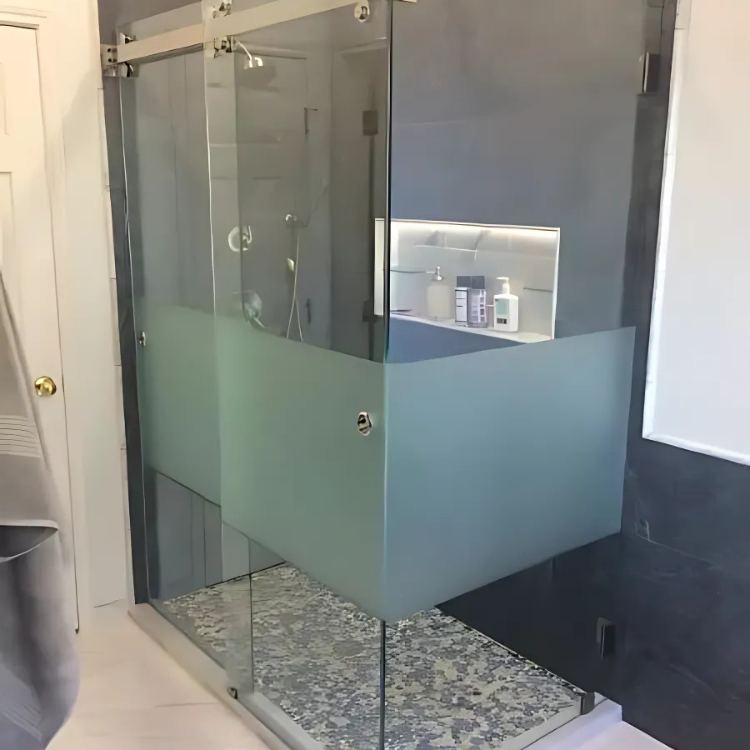
If the bathroom fan is weak or off during showers, humidity lingers and condenses on the first cool surface it meets, which is often the door glass.
2) Door seal and contact points
Look for areas where the door does not meet the frame evenly. Even a small gap can let steam and water escape, then re-condense on glass.
3) Surface cleaning habits
Residue can make fogging look worse by trapping moisture and creating streaks. Make sure your cleaning method is consistent and safe for shower door glass.
Main Things Customers Should Understand
Fogging is condensation, and condensation is physics plus design. In real bathrooms, the way your shower enclosure is built determines how quickly steam escapes, where droplets form, and whether water trails run down cleanly or spread across the glass.
Professional observation: If you see fogging plus water collecting at the edges, the enclosure is usually the deciding factor, not the glass itself. Fixing airflow alone can help, but sealing and alignment often make the biggest long-term difference.
Temperature differences create the “sweat”
Hot shower water warms the air inside the enclosure. When that humid air touches cooler glass, it condenses. Over time, mineral content in water can leave spots and make the glass look perpetually hazy, especially after multiple showers in a day.
How the shower door type changes condensation behavior
Different shower enclosures manage steam differently. For example, sliding shower doors can create different airflow patterns than hinged shower doors or pivot shower doors. In some layouts, steam escapes around the door edges and then hits the glass again, creating a repeating fog cycle.
Shower glass installation details matter
Small setup details can affect how evenly the glass sits and how well the enclosure contains moisture. When doors are installed with the right fit and proper components for your shower opening, the enclosure is more consistent about directing water back into the shower instead of letting it find the outer glass surfaces.
| Situation you notice | Most likely cause | What helps |
|---|---|---|
| Glass fogs quickly during every shower | High humidity plus cooler glass surfaces | Improve ventilation and use a squeegee after showers |
| Fogging is worst near the door edges | Steam escaping through gaps or imperfect contact points | Check door seal and alignment; consider shower door replacement if needed |
| Water spots and streaking remain even after wiping | Mineral residue plus repeated condensation | Use a consistent glass-safe cleaning routine and reduce how often steam leaks out |
| Water leaks outside the shower area | Enclosure components not containing water effectively | Have the shower enclosure evaluated and adjusted; upgrade to a better-fit setup |
Why This Matters in Dallas, TX
In Dallas, TX, many bathrooms see quick temperature swings as people move between hot showers and cooler indoor conditions. Add to that the day-to-day pattern of multiple showers, and you can end up with repeated condensation on glass shower doors. A well-fitted shower enclosure helps reduce how often steam and water escape to the outside surfaces, which can make fogging and streaking less noticeable.
Local tip: If your bathroom feels humid even after showers, focus on ventilation and enclosure fit together. When one is missing, the other often cannot fully compensate.
Common Mistakes to Avoid
Most homeowners try to solve fogging with cleaning, but a few common mistakes can keep the problem coming back. Here are the patterns we see that prolong the issue.
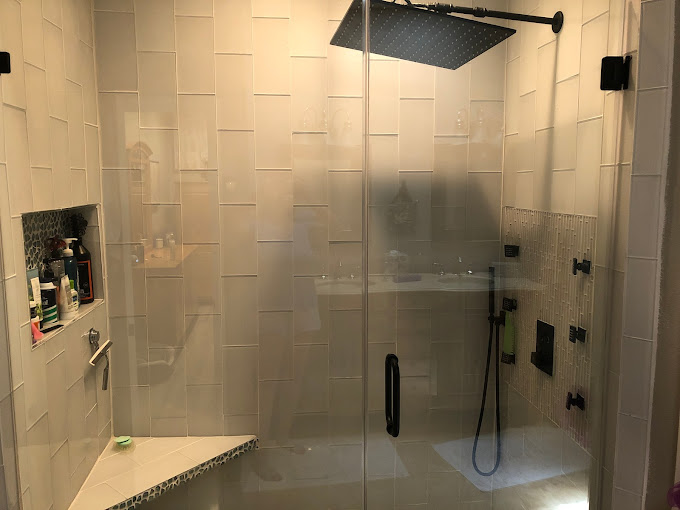
- Wiping too late: If you wait until water dries, minerals bond to the glass and make future fogging look worse.
- Using harsh cleaners: Not every cleaner is ideal for shower door glass. Residue can increase haze and streaking.
- Ignoring door alignment: If you can see uneven gaps, the condensation pattern may be repeating due to steam escape points.
- Assuming it is only “humidity”: Humidity plays a role, but enclosure fit and sealing often determine how severe the sweating becomes.
- Overlooking enclosure type: If you are considering new hardware, the door style and configuration (like corner shower enclosures or neo angle shower doors) can change how steam behaves.
One firsthand-style example: a Dallas homeowner replaced a tired shower door with a similar size, but the new glass still fogged heavily at the edges. After a closer look, the seal contact points were not matching the frame evenly. Once the door fit and sealing were corrected, the fogging pattern became more uniform, and the glass stayed clearer between wipe-downs.
Customer Checklist
Use this quick checklist to troubleshoot your glass shower doors and decide what to address next. If you can check a few items and the sweating improves, you can narrow down the cause before you consider shower door replacement or a full shower enclosure update.
- Ventilation: Run the bathroom fan during and after showers long enough to reduce lingering humidity.
- Door seal: Inspect whether the door meets the frame consistently across the full edge.
- Water movement: Note where droplets collect first and whether they form mostly in one area.
- Cleaning routine: Clean consistently using a method appropriate for shower door glass to minimize residue buildup.
- After-shower habit: Squeegee the glass after showers to limit mineral residue and reduce haze.
- Fit concerns: If you see persistent gaps, consider having your shower enclosure evaluated for adjustment or replacement.
Need help pinpointing the cause?
If your glass shower doors sweat along the edges, leak water outside the shower, or keep fogging no matter how you clean, Shower Doors of Dallas can help you evaluate the enclosure and recommend next steps for your specific setup in Dallas, TX.
(214) 530-5483Frequently Asked Questions
Why do my glass shower doors fog up even when I wipe them?
Fogging is condensation, so if humid shower air still reaches cooler glass surfaces, it can happen again quickly. Wiping helps after the fact, but it does not stop steam from condensing in the first place. If the fogging is strongest near the door edges, the issue may be gaps, seal contact points, or enclosure fit that lets steam and moisture escape and re-condense. A practical approach is to improve ventilation, use a squeegee right after showers, and have the door and frame alignment checked if the pattern keeps repeating.
Can shower seal problems cause more sweating and water spots?
Yes. When steam escapes through imperfect seal contact points, moisture can land on glass surfaces where it was not intended to collect. That repeated wetting increases the chance of water spotting and streaking because minerals have more opportunities to deposit. If you notice fogging that clusters around the same edge or corner, it is worth checking the sealing and fit. In many cases, adjusting components or replacing worn shower door parts helps reduce how much moisture reaches the outer glass areas.
Do frameless shower doors sweat differently than other styles?
They can, but not because glass “works differently.” Condensation depends on temperature differences and humidity. The bigger difference is how each shower enclosure configuration manages airflow and sealing. Frameless shower doors may have different hardware and fit characteristics than semi frameless options, and the way the door closes and seals can change where steam condenses. If your goal is less fogging and fewer streaks, the best results usually come from getting the right enclosure fit for your shower opening and ensuring the door seals effectively.
Is it better to fix the current shower door glass or replace the whole enclosure?
Start with what you can observe. If fogging is uniform and ventilation is the main issue, improving airflow and your after-shower routine may solve most of it. If you see consistent gaps, leaking, or seal wear at specific edges, replacing or adjusting components is often the more effective path than repeatedly cleaning. When the enclosure configuration no longer matches your space, a custom approach, such as a properly fitted shower enclosure, can reduce condensation cycles and improve water containment.
What should I do if I’m considering sliding shower doors?
Sliding shower doors can be a good choice for many layouts, but fit and sealing are still the key factors for reducing fogging. Before choosing a style, consider how your shower opening is shaped and where steam tends to escape today. If you are dealing with a corner shower enclosure or a neo angle shower door setup, the enclosure design can influence how moisture behaves. Shower Doors of Dallas can help you compare options like sliding shower doors and recommend an approach that supports better water containment.
Get a clear plan for your shower doors
Whether you are dealing with frameless shower doors, semi frameless setups, or a specific shower enclosure layout, the right fix depends on where condensation and moisture are coming from. Shower Doors of Dallas helps homeowners in Dallas, TX & surrounding areas evaluate shower door glass issues and move toward solutions that make daily showers feel cleaner and easier.
Visit Shower Doors of Dallas
About Shower Doors of Dallas
Shower Doors of Dallas provides shower doors and custom glass solutions for bathrooms and related spaces across Dallas, TX & surrounding areas. If your current glass shower doors are fogging, leaking, or leaving streaks behind, the team can help you explore options such as custom shower glass, frameless shower doors, and shower enclosures designed to fit your space.
For customers who want complementary upgrades, there are also options like custom mirrors and other custom interior glass services.