
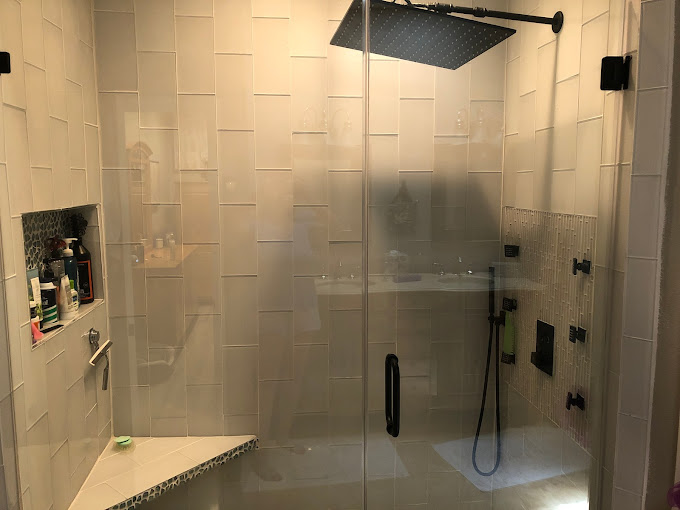
Safety Tips: Prevent Slips with Glass Shower Doors
If you have glass shower doors, you already know they look great. The goal is to keep the bathroom safer too. This guide walks you through practical ways to reduce puddles, improve water containment, and keep your shower enclosures performing well in Dallas, TX.
After a shower, you notice it right away: a damp bathroom floor outside the glass. Maybe it is a small trail near the threshold, or maybe it is a larger wet patch that makes you step carefully when you are getting towels or walking back to the hallway.
That “normal” wetness can be a slip risk, especially with kids, older adults, or anyone who is rushing. This guide helps you understand what to check on your current setup, what choices matter when selecting shower doors and shower door glass, and how to plan a safer shower enclosure for your home in Dallas, TX.
- Quick answer
- What to check first
- Main things customers should understand
- Why this matters in Dallas, TX
- Common mistakes to avoid
- Customer checklist
- Frequently asked questions
Quick Answer
If your glass shower doors are letting water escape, the fastest safety improvement is to address the “path” water is taking: worn seals, misaligned doors, weak containment at the edges, and slippery surfaces outside the enclosure. Start by checking door alignment, gaskets, and the threshold area after a shower. If you see consistent leakage, plan for shower door replacement or a better-fitting custom shower glass solution that matches your opening and setup. For most homeowners, the safest move is a professional measurement and installation so the enclosure is sized and sealed correctly.
What to Check First
Before you change anything, do a quick “leak map.” After running the shower for a few minutes, look at where water collects outside the glass: near the door’s edges, along the wall seams, or near the floor threshold. Then check the two things that most commonly lead to slip-causing puddles: the door’s sealing contact points and the condition of the water barriers.
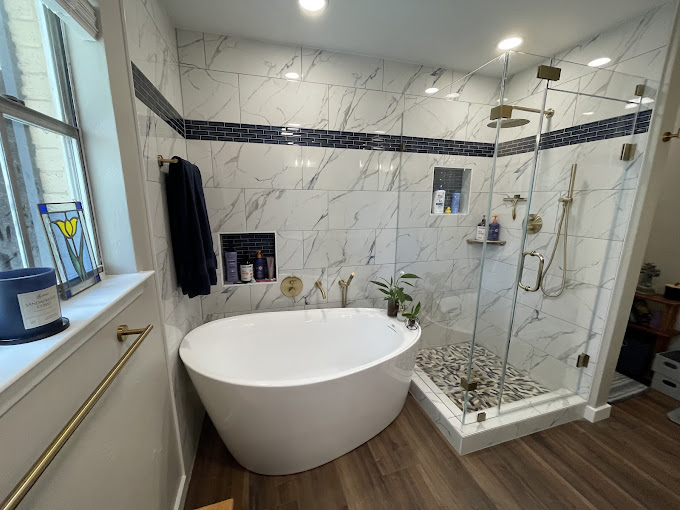
Professional observation: In many Dallas bathrooms, the leak is not the glass itself. It is the fit. When the door or panels are slightly out of alignment, water finds the easiest route and ends up on the floor where you least expect it.
- Door alignment: Close the door and watch for uneven gaps. Even a small gap can turn into a puddle after repeated use.
- Gaskets and seals: Look for cracking, flattening, or missing seal material around the closing edge. Worn seals often look “fine” until water pressure and splash patterns are involved.
- Threshold coverage: If water pools at the base, the enclosure may not be containing splash or the door may not fully cover the opening where water lands.
- Wall and panel joints: Check whether the glass enclosure meets the walls cleanly. Gaps at the perimeter can create a consistent escape route.
Main Things Customers Should Understand
Glass can be a major safety upgrade when it is installed to control splash, not just to look clean. When you compare options, focus on how the enclosure manages water at the edges and how the door operates day to day.
Containment matters more than thickness
The goal is to reduce water migration outside the shower area. A well-fitted glass shower enclosure with correct sealing contact points typically helps more than simply choosing a thicker-looking panel.
Choose the door style for your layout
In compact bathrooms, door movement and pivot points affect how splash is blocked. The best style depends on your space and how you use the shower.
Plan for cleaning and maintenance
Soap scum and mineral buildup can make surfaces slick. When the enclosure is easier to maintain, it is more likely to stay clear, aligned, and performing the way it should.
Decision table: door and enclosure choices for slip prevention
Use this table to think through what you want your enclosure to do. It is not about “best for everyone.” It is about matching your bathroom layout to the water-control points that matter.
| Option | What it can help with | What to check for slip risk |
|---|---|---|
| Frameless shower doors | Clean sightlines and a modern look while still using sealing and alignment to control splash. | Door-to-panel gaps and perimeter contact points after installation. |
| Sliding shower doors | Good for tight spaces where swing clearance is limited. | Tracks and sealing where the door overlaps, especially at the base. |
| Hinged or pivot shower doors | Can create reliable closure when the door meets the frame or fixed panel properly. | Consistent closing alignment so water does not escape at the edge. |
| Corner shower enclosures | Helps manage splash from more than one direction in corner layouts. | Seams where panels meet walls and how well the glass covers the splash zone. |
| Custom glass panels and enclosures | Designed to match your exact opening, which can improve containment where standard sizes do not. | Measurement accuracy so the enclosure fits, seals, and stays aligned. |
Why This Matters in Dallas, TX
Dallas bathrooms often see heavy daily use, and many homes have showers with older layouts or minor out-of-level conditions. When a door is installed without accounting for the real opening and how the space settles over time, water can escape in small, repeatable ways. That is how slip risks build up: the same puddle spot forms day after day, and people start stepping around it instead of fixing the cause.
If you are considering updates, it helps to think about your shower enclosure as part of your overall bathroom safety plan, not just a cosmetic improvement. A properly fitted shower door installation and correct shower glass installation can reduce the wet floor area where slips happen.
Want a safer fit for your glass shower doors?
If you are seeing water escape where you do not want it, Shower Doors of Dallas can help you evaluate your current setup and discuss a containment-focused approach for your specific opening in Dallas, TX.
Browse glass shower optionsCommon Mistakes to Avoid
Many slip problems are preventable, but they usually come from the same few oversights. Avoid these common paths so you do not spend time and effort repeatedly wiping up puddles.
- Assuming the glass is the problem: Water containment is usually about fit, sealing, and alignment.
- Ignoring the threshold area: If water pools at the base, the door or enclosure coverage needs attention.
- Replacing only the glass without evaluating the enclosure: If the surrounding fit is off, new glass alone may not stop the leak route.
- Letting buildup hide early leakage: Mineral deposits can make it harder to see where water is escaping, so check after cleaning too.
- Choosing a style without matching it to your bathroom layout: A door type that does not match your space can lead to poor sealing contact points over time.
Customer Checklist
Use this checklist after your next shower. If you spot multiple issues, it is a sign you may need a containment-focused shower door replacement or a custom shower enclosure approach.
- After showering, I can clearly see where water exits (door edges, wall seams, or threshold).
- The door closes with even contact and no obvious uneven gaps.
- Seals or gaskets look intact and are not flattened, cracked, or missing.
- Water does not consistently pool outside the enclosure at the same spot.
- Panels or fixed glass sit flush and do not show visible separation at joints.
- Cleaning does not expose recurring wet areas that return immediately.
- I am able to wipe and dry the area without needing to step around persistent puddles.
A realistic scenario: what usually happens
A Dallas homeowner replaces a bathroom vanity and keeps the existing glass shower doors. For the first few weeks, things look fine. Then they start noticing a damp strip outside the doorway after every shower. The issue repeats in the same place, and the homeowner gradually avoids the slick area by stepping around it. A closer look shows the door is not sealing evenly at the closing edge, and the threshold area does not fully contain splash. The fix is not a quick patch. It typically involves reassessing the enclosure fit and planning a shower glass replacement or updated shower enclosure that matches the actual opening.
Frequently Asked Questions
Why do glass shower doors still cause a wet bathroom floor?
Glass itself usually is not the cause. Wet floors are typically caused by gaps and imperfect sealing where the door or panels meet the walls, threshold, or closing edge. Even a small misalignment can create a consistent “escape route” for water. It can also happen when seals or gaskets wear down, or when the enclosure is not sized and fitted to your exact opening. A practical first step is to observe where water lands after a short shower and then check whether the door closes evenly and the perimeter contacts look intact.
What should I check first if I see puddles outside the shower?
Start with the closing edge and the base. After a brief shower, look for damp areas near the door edges, along wall seams, or outside the threshold. Then inspect the seals or gaskets for cracking or flattening and check for uneven gaps when the door is closed. If the puddle spot is always the same, that pattern usually points to fit, alignment, or containment coverage rather than random splash. If you cannot identify the contact point changes, a professional measurement and evaluation can help you target the real cause.
Do frameless glass shower doors do a better job preventing slips?
Frameless shower doors can look sleek and modern, but slip prevention depends on containment and sealing, not just the style. A properly installed frameless setup can reduce splash escape when the door and fixed panels fit correctly and the closing points seal as intended. If your current frameless door is leaking, the solution is usually about alignment, sealing contact, and how the enclosure covers the splash zone. When comparing options, ask how the enclosure will be measured and fitted to your specific opening in Dallas, TX.
Are sliding shower doors more likely to leak than hinged doors?
Sliding doors can work well, but leakage risk depends on the sealing at the overlap and the condition of the contact points. Tracks and door overlap areas can be areas where water escapes if the door is not sealing evenly or if seals are worn. Hinged doors can also leak if the door does not close with consistent contact or if the threshold coverage is insufficient. The practical approach is to observe where water exits from your specific setup and then match the enclosure solution to that area.
What is the safest way to maintain glass shower doors day to day?
Maintenance is part of safety because buildup can make surfaces slick and can hide early leakage. Focus on keeping seals and the door closing edge clean so contact points are not obstructed. Use cleaning habits that help you see where water escapes after showers, especially near the threshold and perimeter seams. If you notice recurring wet spots, do not just wipe it away. Use the pattern to identify which area is failing containment and consider a professional evaluation for shower door installation or shower door replacement.
Ready to reduce slip risk in your bathroom?
If your Dallas, TX shower enclosure is leaving puddles outside the glass, Shower Doors of Dallas can help you explore options for glass shower doors, shower enclosures, and custom-fit solutions based on your space.
(214) 530-5483About Shower Doors of Dallas
Shower Doors of Dallas helps homeowners and property managers choose and install shower doors and glass enclosures designed for everyday use. From frameless styles to sliding options and custom glass panels, the focus is on fit, function, and a cleaner, more controlled shower experience for Dallas, TX bathrooms. If you are searching for shower doors near me, you can start by exploring the specific options below.

Shower Doors of Dallas serves Dallas, TX & surrounding areas with custom shower glass solutions.
If you are dealing with recurring puddles, take the checklist seriously and use the pattern to guide your next step. A safer shower is usually a containment problem first, and a design choice second.