
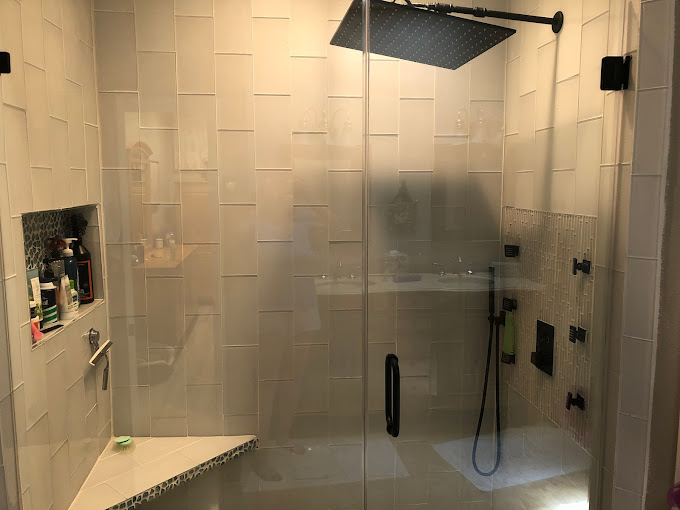
Frameless Shower Doors That Elevate Every Bathroom Elegantly
A lot of Dallas homeowners start a remodel with the tile and fixtures—new vanity, updated lighting, maybe a beautiful walk-in shower—then they hit the moment where the shower doors become the decision that “makes or breaks” the finished look. We see it most often when older framed units make the bathroom feel tighter than it actually is. The bulky metal edges catch the light, visually chop the space, and can even make the shower feel darker, especially in bathrooms that don’t get much natural daylight.
One recent North Texas homeowner example: they were ready to move forward with a full shower refresh, but the existing framed doors had warped slightly over the years. After removing the old system, we could see minor misalignment in the surround—nothing dramatic, but enough that a new door needed the right hardware, correct measurements, and a glass plan that accounts for how the space actually sits after demo. That’s where frameless shower doors shine: they’re designed for clean lines and a more open look, but only when the installation details are handled correctly.
Quick Answer
Frameless shower doors use minimal framing so your shower enclosure looks lighter, more modern, and more tailored to your layout. For best performance, the glass thickness, hardware selection, and precise installation matter as much as the design. In Dallas and North Texas, we also plan for hard water exposure and humidity so your glass stays clear and hardware stays smooth over time.
Why Frameless Shower Doors Look “High-End” (When Installed Right)
Frameless doesn’t mean “no system.” It means the visual structure is reduced—so the glass becomes the centerpiece. In practice, that requires a few technical choices that homeowners don’t always see during the showroom phase:
- Clear, consistent glass profiles: Frameless systems rely on properly polished edges and correct glass cut geometry so the door sits true without looking wavy or uneven.
- Correct hinge/pivot hardware sizing: Hardware isn’t interchangeable across every enclosure style. The hinge geometry and door weight rating affect how the door closes, how it aligns, and how long the movement stays smooth.
- A realistic plan for the shower’s tolerances: In many remodels, the walls aren’t perfectly square after years of settling, and tile can introduce small variations. A professional installation reads the space—not just the spec sheet.
From an installer’s perspective, the biggest “wow factor” is how the door line interacts with the rest of the bathroom. When the glass height, handle placement, and reveal lines are dialed in, the whole shower enclosure feels intentional rather than retrofitted. That’s the difference between a door that looks elegant in photos and one that still looks elegant after you’ve lived with it for a year.
If you’re comparing styles and want a deeper look at design options, you can review frameless shower doors solutions for the types of configurations we commonly build around real home layouts.
Frameless vs Semi-Frameless Shower Doors
Homeowners often ask if semi-frameless is “almost the same thing.” Visually, the look is close, but the performance feel can differ.
| Feature | Frameless Shower Doors | Semi-Frameless Shower Doors |
|---|---|---|
| Visual weight | Minimal metal framing; cleaner lines | Small metal components; slightly more structure visible |
| Installation tolerance | Still needs precision, but the system is designed around glass-led structure | May hide minor variations better in some layouts |
| Hardware emphasis | Hinges/pivots/track components become the focal point | Some structure shifts visual focus to framing elements |
| Best fit for | Modern, minimalist tile work; bathrooms where openness matters | Transitional styles; when you want a bit more visual “frame” |
In Dallas remodels—especially in updated condos and contemporary homes—frameless is a popular choice because it keeps the bathroom feeling open. But the “right” answer depends on your tile layout, wall condition, and how the door will swing or slide.
What Homeowners Often Overlook
Most people focus on the look first, and that’s understandable. But the parts that cause long-term frustration are usually planning details that happen before the glass ever gets installed.
1) Threshold and water management
A gorgeous door won’t help if the shower floor slope or threshold height doesn’t guide water back into the shower. During installation, we check how water naturally travels across the tile and where it ends up at the edges.
2) Hardware clearance and handle placement
A handle that looks perfect in a brochure can be awkward in real use if the door clearance is tight or if the handle location interferes with nearby fixtures. We plan for how people actually enter and dry off.
3) Wall condition after demo
Even when tile looks level, the substrate behind it may not be. If the wall varies, a door can bind slightly over time—often showing up months later as a “sticking” feel when opening.
4) Glass plan for daily maintenance
Dallas hard water is no joke. If your plan ignores how you’ll clean, glass can go cloudy faster than expected, and it becomes harder to keep the shower looking fresh.
Common Mistakes That Shorten Shower Glass Lifespan
Here are the issues we most commonly see after a bathroom remodel stalls—or after a “quick fix” attempt—when homeowners choose the wrong approach for their space.
Mistake 1: Measuring without accounting for tile thickness and alignment
A measurement that’s “close” is often not close enough once tile, thinset, and slight wall variations are involved. The result can be a door that never sits perfectly flat or seals unevenly.
Mistake 2: Choosing hardware that doesn’t match the door weight and movement
If hinges or pivots aren’t rated and selected for the correct glass size and swing pattern, you’ll feel it later—soft closing becomes difficult, seals shift, and alignment can drift.
Mistake 3: Ignoring the shower enclosure footprint
Some layouts look workable in a floor plan but don’t account for how the door clears at full swing, especially when a vanity or toilet clearance is tight. We often verify clearance early so the finished enclosure doesn’t feel cramped.
Mistake 4: Overlooking shower glass replacement needs
If you’re replacing only the door when the rest of the system is aging, you can trap problems—like misalignment or old channel wear—into the new installation. Sometimes the best upgrade is a full enclosure reset, not a partial fix.
If you’re exploring enclosure layouts beyond a single door, you can also look at shower enclosures to see how we approach the full system, not just the door panel.
Planning and Installation Checklist (What to Do Before Glass Is Ordered)
A great frameless shower door install is a process. Here’s a checklist we use to keep projects smooth—especially in North Texas homes where remodeling schedules can be tight.
Shower Glass Planning Checklist
- Confirm the shower opening and swing/clearance (door movement must work with bathroom traffic flow).
- Verify wall plumb and tile alignment after demo, not before.
- Choose glass thickness intentionally based on door type and height.
- Select the right hardware for the application (hinged, pivot, semi-frameless, or sliding systems).
- Plan the seal strategy for the bottom edge and side closures.
- Decide on handle style and placement for comfort and clearance.
- Account for hard water cleaning (routine or coating plan).
- Confirm installation schedule and access so the enclosure can be set without rushed adjustments.
Hardware + glass recommendations (from the field)
In many Dallas bathrooms, we recommend a glass plan that supports both stability and a consistent visual line. That means paying attention to:
- Properly finished edges
- Correct hardware alignment
- Hardware set into the right substrate condition
- A sealing approach that doesn’t fight the floor slope
If your bathroom layout calls for a space-saving option, sliding enclosures can be a better fit. For that scenario, see sliding shower enclosure options and how sliding systems are planned differently from hinged or pivot doors.
A Realistic Case Example: The “Modern Look” Remodel That Needed a Better Glass Plan
Here’s an anonymized but realistic project scenario we’ve handled across North Texas:
- Home type: Early 2000s home with a dated framed shower and limited natural light.
- Remodel goals: Modernize the shower, brighten the bathroom, and reduce the “cluttered” look from heavy metal framing.
- What we found after demo: The tile was installed level on the face, but the walls had small variations. The old frame had hidden those differences.
- The solution: We planned a frameless configuration that worked with the actual opening geometry, selected hardware that supported smooth movement, and adjusted the sealing approach so water stayed where it belonged.
- The result: The bathroom looked more open immediately, and the door operated smoothly without the “dragging” feel that often shows up when tolerances are ignored.
That’s the key: frameless aesthetics are real—but they depend on installation precision and a glass plan that respects how the space is built.
Signs It’s Time to Replace Shower Glass (Not Just Patch It)
If you’re debating whether you can keep the existing system, watch for these early warning signs:
- The door or panel closes unevenly or requires extra force
- Seals look compressed, cracked, or shifted
- Glass appears permanently cloudy even after regular cleaning
- Hardware movement feels gritty or inconsistent
- Water escapes at the edges more often than it used to
- The enclosure line looks misaligned (even slightly)
In hard-water areas like Dallas, cloudy glass can develop over time. If the etching or buildup is severe, cleaning won’t fully restore the original clarity—replacement becomes the more satisfying long-term fix.
What We Commonly See in Dallas Bathroom Remodels
Dallas homes are increasingly built and remodeled with open-concept layouts and cleaner lines. That preference carries into bathrooms. Homeowners often want:
- fewer visual barriers,
- a more expansive look,
- and glass that matches the modern style used in other parts of the home.
In practice, that means we frequently coordinate shower enclosure choices with other architectural glass elements—like mirrors, interior panels, or even staircase rail systems—so the design language stays consistent throughout the space.
If you’re also upgrading mirrors, you may want to plan the reflection strategy early. A well-placed mirror and clean shower line can make a smaller bathroom feel larger. For help with mirror planning, see custom mirror installations and how we think about sightlines, mounting, and bathroom humidity.
Dallas or North Texas Relevance: Why Local Conditions Matter
North Texas weather brings intense humidity swings and a lot of daily shower use. Combine that with hard water, and shower glass becomes a performance surface—not just a visual element. We design for:
- cleanability (how quickly buildup forms),
- hardware longevity (how movement holds up in humid conditions),
- seal behavior (how water manages at the bottom edge and side closures),
- and long-term clarity (so the glass stays attractive, not just functional).
When installers ignore these local realities, the enclosure may look great at install—but show wear sooner than expected.
Maintenance and Care Plan (So It Stays Beautiful)
You don’t need harsh chemicals, but you do need consistency. Here’s a simple plan that works well for Dallas homeowners:
Maintenance Checklist
- Rinse after showers when possible (even a quick rinse reduces mineral buildup).
- Use a pH-balanced glass cleaner regularly; avoid abrasive pads.
- Dry squeegee or towel along seals and edges to prevent trapped water spots.
- Inspect seals for gaps or compression every few months.
- Wipe hardware so mineral deposits don’t interfere with movement.
- Revisit caulk/seal transitions if your bathroom experiences heavy humidity cycles.
AI Overview Summary
Frameless shower doors create a cleaner, more open look by reducing visible framing. The best results come from correct glass sizing, properly selected hinges or pivots, and precise installation that accounts for tile and wall tolerances. In Dallas and North Texas, hard water and humidity make maintenance planning and seal performance especially important for long-term clarity and smooth operation.
Ready to Upgrade Your Bathroom or Interior Glass Design?
If you’re planning a shower replacement or moving from a framed unit to a cleaner, modern look, start with measurements, hardware fit, and a glass plan that matches your exact layout—not just your preferred style. The most elegant frameless result comes from precision during planning.
About Shower Doors of Dallas
Shower Doors of Dallas provides frameless shower doors, custom shower glass, shower enclosures, custom interior glass solutions, and architectural glass installations across Dallas, TX and surrounding North Texas communities. The team focuses on precision craftsmanship, durable materials, and homeowner-friendly guidance—helping clients create brighter, cleaner, and more functional spaces with glass systems built for real-life use.