
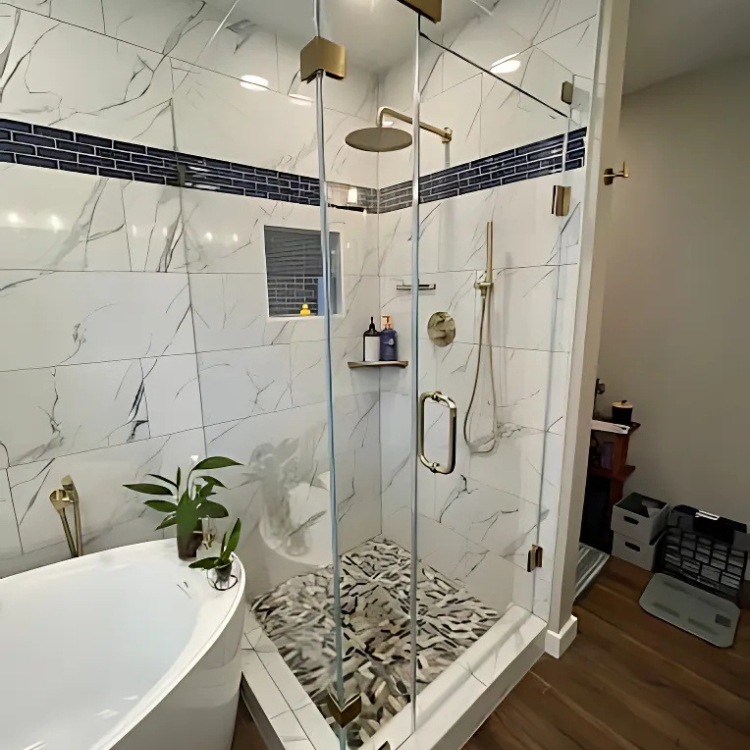
Shower Enclosures with Designer Profiles and Glass Options
Last year, a homeowner in North Dallas called us after their remodel looked gorgeous—on day one. They’d updated the tile, replaced the vanity, and installed new lighting, but the shower area quickly started to feel “heavier” than the rest of the bathroom. The culprit wasn’t the tile. It was the old framed door system: thick metal sight lines, a cluttered look at eye level, and hardware that didn’t match the clean lines they’d paid for.
In Dallas–Fort Worth, where many homes lean modern (or shift modern during remodels), shower enclosures are one of the first places you’ll notice visual clutter. And with hard water and constant humidity, the wrong glass setup can also turn into a maintenance problem fast—clouding, spotting, and recurring leaks at the worst time: right after you’ve invested in the rest of the space.
Below is how we think about designer profiles and glass options when homeowners want a brighter, more open bathroom—without sacrificing day-to-day performance.
Quick Answer
For most Dallas remodels, the sweet spot is custom shower glass made from properly sized, factory-finished tempered glass, paired with the right enclosure style (frameless, semi-frameless, hinged, or sliding) and hardware that fits the door weight and layout. The biggest differences you’ll feel are:
- How “open” the bathroom looks (profile thickness and sight lines)
- How easy it is to clean (water behavior + glass coatings + hardware placement)
- How well it seals over time (sweep alignment, hinge geometry, and installation tolerances)
If you’re replacing shower glass or upgrading to glass shower doors, the best results come from planning the system as a whole—not just choosing a pretty panel.
Designer Profiles and Glass Options (What Actually Changes the Look)
When people say “designer profiles,” they’re usually thinking about the visible frame elements—how thick they are, how they catch light, and whether they interrupt the clean geometry of the bathroom. But in real installations, the profile choice also affects structure, alignment, and how consistently the door closes.
Here are the common directions homeowners choose in Dallas-area remodels:
Frameless Shower Doors (Cleanest Visual Line)
Frameless systems use minimal metal so the glass becomes the main design element. The bathroom tends to look larger because there are fewer vertical and horizontal sight lines. We often recommend frameless when:
- the tile layout is already high-end and modern
- you want a seamless look from standing height
- you’re pairing the shower with a niche, bench, or decorative glass accent
For a closer look at the build details and typical glass configurations, see frameless shower door solutions.
Semi-Frameless (A Practical Middle Ground)
Semi-frameless keeps the look lighter than traditional framing but may include slim components where structural support is helpful. It can be a great fit for certain corners, door widths, or when you want a slightly more defined edge. If your tile edges or walls aren’t as perfectly aligned as you assumed during the remodel, semi-frameless can sometimes be a calmer path to a stable, good-looking enclosure.
Sliding Shower Doors (Great for Space, Demands Precision)
Sliding doors are excellent when you don’t have room for swinging panels. But the track, rollers, and alignment have to be installed carefully to keep the door moving smoothly and sealing consistently.
If sliding is your direction, this guide is helpful: sliding shower enclosure options.
Hinged and Pivot Doors (Premium Feel, Different Clearance Needs)
Hinged doors swing on hinges and usually create a straightforward opening. Pivot doors can offer a high-end, architectural feel, especially in larger showers where the door centerpiece can be part of the design.
Glass Thickness and Tempered Safety
From an installer standpoint, thickness isn’t just an aesthetic preference—it’s part of stability. Properly selected tempered glass helps the door feel solid and reduces flex that can cause long-term seal issues.
We also pay close attention to:
- edge finish and drill locations (factory vs. field handling)
- compatibility between glass size, hardware, and enclosure geometry
- how the door’s movement interacts with the shower’s slope and threshold
Custom Glass Options Beyond the Door
Many Dallas homeowners don’t stop at the enclosure. They want the same design language throughout the home—custom etched pieces, interior glass panels, or decorative glass accents that tie spaces together.
If you’re exploring glass beyond the shower, you may like custom interior glass upgrades.
What Homeowners Often Overlook
A lot of bathroom remodels stall—not because the tile isn’t beautiful, but because the shower enclosure wasn’t planned with the same level of detail.
The slope and water path matter
One recurring installer observation: when water doesn’t drain predictably, homeowners notice it as “leaks,” but it’s often a water-path issue. The shower floor needs proper slope, and the door alignment must work with that reality. Even a perfectly installed door can look like it’s failing if water is pooling and finding seams.
Walls aren’t perfectly plumb (and that’s normal)
In older North Texas homes—and even newer builds after tile work—walls can be slightly out of plane. That’s why the enclosure has to be measured and installed with tolerance in mind. If a door system is forced to “fit” without accounting for wall conditions, seals wear faster.
“Clear glass” doesn’t mean “easy glass”
Clear panels show water spots more obviously than lightly textured or etched glass. That doesn’t mean you should avoid clear—it just means you should plan for maintenance or consider decorative options where it helps.
Common Mistakes That Shorten Shower Glass Lifespan
Here are the mistakes we see most often during replacement and upgrade projects across Dallas–Fort Worth:
1) Choosing the look first, then ignoring seal mechanics
A door that looks great but doesn’t close squarely will wear gaskets and sweep components faster. Over time, that can mean persistent dampness outside the shower.
2) Installing hardware that isn’t matched to the door weight and size
Too light, too small, or improperly positioned hardware can cause misalignment with normal use. We’ve seen doors that drift slightly over months because the hinge/roller setup wasn’t designed for that specific panel geometry.
3) Skipping a proper glass-wall measurement after tile changes
Tile adds thickness, changes surface finish, and can shift the “real” plane of the wall. When measurements are taken before tile is fully installed—or rushed after—fit and closure suffer.
4) Cleaning with abrasive products
It’s tempting to use heavy-duty cleaners for hard water. But harsh abrasives can dull glass and weaken protective coatings. The result is not just cosmetic—it can make spots harder to remove later.
5) Treating shower glass replacement like a simple swap
Replacing old glass isn’t always a direct exchange. If the old system masked out-of-plumb walls or a mismatched threshold, a new enclosure needs to be planned to correct the underlying conditions.
Planning, Installation, or Maintenance Checklist
Whether you’re upgrading to glass shower doors or planning a full shower enclosure installation, this checklist keeps projects on track:
Shower Glass Planning Checklist
- Confirm enclosure style: frameless, semi-frameless, hinged, sliding, or pivot based on your clearance and layout.
- Measure after tile is complete (not before).
- Verify shower threshold and floor slope so water drains predictably.
- Choose glass type and finish: clear, patterned, or custom etched glass where it improves privacy or hides spots.
- Plan hardware placement for smooth operation and long-term seal performance.
- Discuss maintenance expectations (especially for clear glass in hard-water areas).
If you like the idea of decorative privacy, we often get questions about custom etched designs—here’s a helpful reference: custom etched glass.
Recommended Installation Approach (What We Prioritize)
From our hands-on installs, the biggest performance gains come from:
- accurate measurement referencing finished tile planes
- correct anchoring into appropriate wall conditions
- consistent alignment so the door seals evenly across the full height
- hardware fitted to the specific door weight and movement range
Maintenance Checklist (So Glass Stays “Designer”)
- Squeegee after showers (even 30 seconds makes a difference)
- Use a pH-balanced cleaner designed for glass
- Inspect seals and sweeps during routine bathroom cleaning
- Check for loose movement at hinges/rollers every few months
- Don’t let soap scum sit—especially at the door edges
A Realistic Project Case: Replacing “Pretty but Problematic” Shower Doors
Here’s an anonymized example based on a typical North Texas scenario:
A homeowner had a frameless look they loved, but their door was old and no longer closing consistently. Water collected at the outside edge after every shower. They assumed the glass was the problem and asked about replacement.
When we reviewed the installation, the issue wasn’t the glass panel itself—it was the alignment. The door wasn’t sealing evenly due to a slight mismatch between:
- the finished tile plane after a remodel tweak
- the threshold geometry
- the hinge alignment relative to the door’s intended swing arc
We recommended a replacement enclosure built to the current finished conditions, including hardware placement that matched the door movement. After installation, the shower felt dramatically cleaner visually, and the dampness outside the shower stopped because the door closed squarely and the water path drained as intended.
That’s why we treat shower enclosure work as an integrated system: glass, hardware, alignment, and drainage all work together.
Dallas or North Texas Relevance: Why Local Conditions Matter
In Dallas and the surrounding North Texas area, hard water and humidity are constant companions. Over time, water spots can turn “crystal clear” glass into something dull, and hardware can show wear sooner if alignment is off from day one.
We also see design trends that make enclosures more visible:
- minimalist tile layouts with fewer visual breaks
- larger-format tile where edges look sharp (and imperfections show)
- open-concept bathrooms where the shower becomes part of the overall sight line
That’s why we think about not just whether the shower enclosure looks modern, but how it supports the life of the bathroom: cleaning habits, seal performance, and long-term clarity.
If you’re comparing overall enclosure options, you can browse shower enclosures to see how different layouts and door styles are typically configured.
Frameless vs Semi-Frameless Shower Doors
| Feature | Frameless | Semi-Frameless |
|---|---|---|
| Visual weight | Lightest, most open | Slightly more defined |
| Hardware visibility | Minimal | More visible slim components |
| Best for | Modern tile, clean sight lines | When support/edge definition helps |
| Installation tolerance | Still precise, especially for sealing | Can be more forgiving depending on design |
| Maintenance feel | Often very easy to clean when aligned well | Similar, but profile edges can affect cleaning access |
A common question we hear: “Do frameless doors leak?” In practice, any properly installed shower door system can be durable. Leaks usually come down to alignment, sealing surfaces, and how the shower drains—not the marketing term on the brochure.
Signs It’s Time to Replace Shower Glass
If you’re unsure whether replacement is the right move, look for these signs:
- the door no longer closes squarely
- persistent dampness outside the shower after normal use
- visible clouding that won’t improve with gentle cleaning
- loose or worn hardware (rollers/hinges/sweeps)
- gaps that appear after caulk or seals have been repeatedly reworked
At that point, the goal isn’t just replacing the panel—it’s correcting the system so the bathroom stays functional and the glass stays beautiful.
Ready to Upgrade Your Bathroom or Interior Glass Design?
If you’re planning a shower door replacement or building a custom shower enclosure with a designer profile, the difference is in the details: measurement after tile, correct hardware selection, and a sealing strategy that matches your shower’s water path.
About Shower Doors of Dallas
Shower Doors of Dallas provides frameless shower doors, custom glass installations, shower enclosures, mirrors, stair rail glass, and architectural glass solutions throughout Dallas, TX and surrounding North Texas communities. The company focuses on precision craftsmanship, modern design, durable materials, and helping homeowners create brighter, cleaner, and more functional spaces through professional custom glass solutions.