
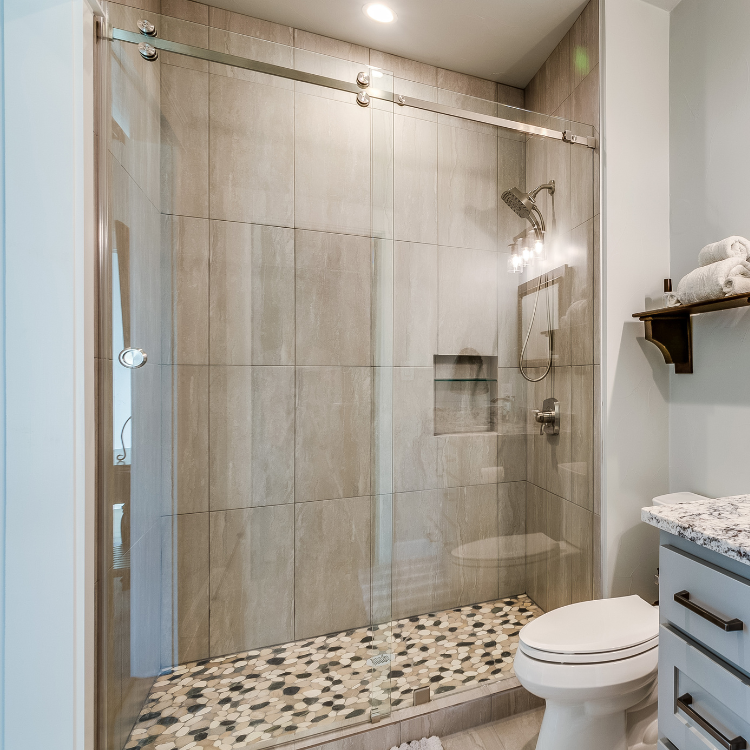
Frameless Shower Doors for Contemporary Modern Bathrooms
A couple months into a remodel, many Dallas homeowners notice something they didn’t plan for: the bathroom feels smaller than it should—even though the layout stayed the same. The culprit is often the “visual framing” around the shower. Traditional framed doors and thick metal trims can create extra lines and bulk that visually box in the room.
One North Texas homeowner we worked with had already upgraded the tile, vanity lighting, and fixtures. But the old shower system still had a heavy frame, visible caulk lines, and a door track that collected hard water deposits. After every shower, the glass looked cloudy within days. The goal wasn’t just to replace a door—it was to make the shower feel like it belonged in a contemporary, open bathroom.
That’s where frameless shower doors come in. When they’re designed and installed with the right glass thickness, hardware alignment, and sealing strategy, they create clean sightlines, improved functionality, and a more modern look that holds up to real Texas water conditions.
Quick Answer
Frameless shower doors use minimal or no metal framing around the glass, creating a cleaner, more open appearance that fits modern bathrooms. They typically use tempered safety glass and precision hardware to support proper operation and water control. For best results, plan the opening dimensions carefully, choose the right door style (hinged, pivot, sliding, or corner enclosure), and account for Dallas-area hard water when selecting maintenance routines.
Frameless Isn’t Just a Look—It’s a System
Modern bathrooms in Dallas often chase a “lighter” visual feel: fewer interruptions, bigger reflections, and smoother lines. Frameless glass supports that goal, but it also changes how the whole shower enclosure behaves.
From an installer’s standpoint, the difference is in the details:
- Load and alignment: Frameless hardware must be positioned so the door swings or glides without rubbing, binding, or stressing the glass.
- Water management: The enclosure design needs the right overlap, strike, and sealing points so water stays inside the shower—not on the floor or outside glass panels.
- Glass stability: The thickness and mounting method matter. We see better long-term performance when the system is built around the actual wall conditions, not just the measured opening on paper.
If you’re considering a full upgrade, you’ll want to think beyond the door itself and look at the entire shower enclosures plan—how the glass panels meet, how the door interfaces with fixed panels, and where water is most likely to escape.
A realistic project example (anonymized)
In one Dallas-area remodel, the homeowner selected a frameless hinged door because they wanted a clean, open look. The tile was installed beautifully, but the walls had slight inconsistencies from the original construction. We adjusted the hardware layout during installation, shimmed where needed, and verified the door’s swing clearance before final tightening. The result wasn’t just a good-looking installation—it was a door that closed evenly and stopped the “minor drip” the homeowner had been dealing with for months.
Frameless vs Semi-Frameless Shower Doors
Not every “modern” shower needs fully frameless glass. In some layouts, semi-frameless systems can be a better fit—especially when you’re balancing design goals with wall conditions or budget.
| Feature | Frameless Shower Doors | Semi-Frameless Shower Doors |
|---|---|---|
| Visual bulk | Minimal, clean sightlines | Slight metal presence, still modern |
| Hardware visibility | More prominent but intentional | Partially hides structure |
| Installation complexity | Higher precision required | Often slightly more forgiving |
| Best for | Contemporary layouts, premium finishes, open look | Renovations with minor wall irregularities |
| Maintenance feel | Generally easy to keep clear | Similar maintenance, but metal edges can trap residue |
If your bathroom is already trending modern, frameless is usually the direction homeowners expect. But the “right” choice depends on your door style and how your walls were built. That’s why planning matters as much as aesthetics.
What Homeowners Often Overlook
1) They measure the rough opening, not the real opening
A common issue we run into: measurements taken before tile, before backer board corrections, or without accounting for how the door will land on finished surfaces. Even a small deviation can cause problems later—like uneven closure or glass that doesn’t sit square.
2) They focus on the door and forget the enclosure geometry
The door is only one part of the water barrier. Fixed glass panels, corner enclosures, and how the glass meets the threshold all influence splash control.
3) They underestimate hard water and maintenance timing
Dallas water can be hard enough that soap scum and mineral deposits build up faster than homeowners expect. A frameless system can still get cloudy—just without the extra metal surfaces that hold residue. If you don’t plan for cleaning, the “new glass clarity” doesn’t last as long as people hope.
Common Mistakes That Shorten Shower Glass Lifespan
Mistake #1: Using the wrong cleaner or letting deposits sit
Hard water minerals bond to glass over time. Harsh abrasives can micro-scratch the surface, making future buildup harder to remove. Choose products designed for shower glass and follow label guidance.
Mistake #2: Expecting “generic” hardware to fit perfectly
Hardware selection is not one-size-fits-all. Hinge sizing, pivot hardware, and track alignment (for sliding styles) all depend on your glass thickness and the enclosure’s exact dimensions. When hardware isn’t matched to the system, doors can develop drift—then sealing becomes inconsistent.
Mistake #3: Ignoring threshold and slope realities
This is one of the most overlooked installation factors. If the shower base or threshold slope isn’t accounted for, water can pool at the door edge. Over time that can lead to recurring seepage patterns and faster wear on seals and hardware.
Mistake #4: Rushing caulk and sealant decisions
Sealant quality and placement affect both look and performance. Too little, too much, or applied in the wrong areas can cause gaps to open as materials expand and contract.
Planning Checklist: Shower Glass That Works for Years
Use this list before you commit to a door style. It’s also a helpful way to compare proposals from different installers.
Shower door and glass planning checklist
- Measure after tile (or confirm final wall conditions): Ensure the finished opening matches the design.
- Choose the right door style for your layout:
- Hinged for classic swing and easy operation
- Pivot for a premium, space-efficient feel
- Sliding for tighter bathrooms
- Corner enclosures when you’re maximizing layout
- Confirm glass thickness and safety glass specs: Tempered safety glass is standard for shower walls and doors.
- Plan your water-control strategy: Door overlap, fixed panel alignment, and sealing points.
- Decide how you’ll handle hard water: Routine cleaning, and consider how decorative glass treatments affect maintenance.
- Check hardware finish and maintenance needs: Brushed finishes can hide minor water spotting better than ultra-polished options.
A glass, hardware, or installation recommendation
If your goal is a contemporary, clean look with minimal visual interruption, choose frameless with hardware finishes that complement your plumbing fixtures—and ensure the installation includes careful alignment verification before final tightening. We’ve found that a few minutes spent checking swing clearance, closure alignment, and panel straightness prevents the “small leak” problems that show up weeks later.
For homeowners who want different layout options, it helps to review door styles like sliding systems. Here’s a helpful reference if you’re comparing layouts: sliding shower doors for bathrooms where a swing door isn’t practical.
What We Commonly See in Dallas Bathroom Remodels
Dallas remodels often blend modern styling with existing homes—meaning the shower area may have older framing, uneven walls, or a base that wasn’t originally built for a frameless approach. In these cases, the best outcomes usually come from combining:
- Precise templating
- Hardware matched to glass and opening
- A sealing plan tied to how water actually flows in your shower
One firsthand observation: the cleanest-looking frameless installations are rarely “just installed.” They’re calibrated. We check that the door closes evenly, that the strike points line up, and that the glass sits with consistent spacing. When that’s done, you don’t see the subtle gaps that collect water and create cloudy streaks faster than expected.
Signs It’s Time to Replace Shower Glass
Even with good upkeep, shower systems eventually reach the point where repair isn’t the best path.
Look for:
- Persistent leaks at the door edges or fixed panels
- Glass that’s permanently etched, heavily clouded, or scratched
- Hardware that’s loose, misaligned, or difficult to close
- Sealant failures that keep returning after cleaning
- Doors that bind or don’t latch cleanly
If you’re weighing replacement versus patching, it’s worth getting a measurement-based assessment. For homeowners focused on a full system refresh, replacement planning can be especially useful—see frameless glass shower doors for options that help restore both function and appearance.
Dallas / North Texas Relevance: Why Water, Humidity, and Layout Matter
Modern bathrooms in North Texas are trending toward open, airy layouts—especially in upscale residential builds and remodels where natural light is a design priority. Frameless shower doors support that goal by reducing visual bulk.
But the Dallas environment adds real-world pressure:
- Hard water accelerates mineral buildup and reduces “fresh clarity” if maintenance isn’t planned.
- Humidity and temperature swings can stress poorly sealed joints over time.
- Existing wall conditions in older homes can affect how well any door system maintains alignment.
That’s why we recommend homeowners plan around how the shower is actually used: how often it’s cleaned, whether kids or multiple people share the bathroom, and whether the door style fits the space without forcing the glass into awkward closing angles.
Common Mistakes That Slow Down a Remodel (and How to Avoid Them)
Since many remodels in Dallas happen around tile and fixture lead times, homeowners sometimes schedule glass too early or too late. Here’s what usually causes delays or rework:
- Ordering glass before the shower walls are fully finished
- Changing tile thickness after measurements are taken
- Picking a beautiful door style without confirming how the door will clear the vanity, toilet, or towel storage
- Not addressing corner conditions in bathroom glass enclosures where multiple panels meet
A good installer will ask about your layout, confirm finished measurements, and design the enclosure to match the way the space is built—not just the way it looks in a photo.
Maintenance & Planning Checklist (Keep It Looking “Frameless”)
Here’s a practical routine that works well for most homeowners:
Weekly / after-use habits
- Quick squeegee or towel wipe after showers
- Rinse soap-heavy residue when applicable
- Spot-clean mineral buildup before it becomes film-like
Monthly habits
- Use a shower glass-safe cleaner to remove buildup
- Inspect seals and hardware for early signs of misalignment
Seasonal planning
- If you notice worsening buildup, adjust your cleaning frequency—not the glass system
- Recheck door smoothness and latch consistency
Optional: Where Custom Interior Glass Fits the Same Modern Style
If you’re already investing in a contemporary bathroom, it often makes sense to carry that design language through adjoining spaces—especially in open-concept plans where reflections matter.
Many homeowners pair their shower upgrade with other custom glass elements like mirrors or interior partitions. For example, a modern home can feel brighter when glass panels help maintain sightlines while still defining spaces. You can explore custom interior glass options if you want that consistent, architectural look throughout your remodel.
And if you’re doing a vanity update, custom mirrors can be a big part of the overall “finished” feel—browse custom mirrors for help matching styles, edges, and placement to your new shower glass.
FAQ
Are frameless shower doors worth it?
In many Dallas remodels, yes—especially when you want a cleaner, more modern look and fewer visual interruptions. Frameless doors also tend to feel more “open” in smaller bathrooms. The real value shows up when the system is installed with correct alignment and matched hardware, so the door closes evenly and performs reliably.
How thick should frameless shower glass be?
Common thickness choices for shower doors are typically 3/8-inch or 1/2-inch tempered safety glass, depending on the design and hardware layout. The right thickness depends on your enclosure configuration, door style, and how the glass will be supported. A precise measurement and hardware matching plan are essential.
Do frameless shower doors leak?
They can leak if the enclosure isn’t designed or installed correctly—often due to misalignment, poor overlap/seal placement, or a door that doesn’t latch evenly. When the system is properly templated and calibrated, frameless enclosures generally perform well for water containment.
What’s the easiest type of shower door to maintain?
Generally, hinged and pivot doors with minimal track exposure are easier to keep clean than sliding systems with more track components. That said, hard water and soap buildup affect all shower glass. A quick wipe-down after use makes a bigger difference than the door style alone.
Ready to Upgrade Your Bathroom or Interior Glass Design?
If your remodel is aiming for a contemporary, clean look, frameless shower doors are a strong fit—but only when the enclosure is planned around your actual finished space and installed with careful alignment. The best time to confirm door style, panel layout, and hardware details is before ordering.
About Shower Doors of Dallas
Shower Doors of Dallas provides frameless shower doors, custom shower glass, shower enclosures, mirrors, stair rail glass, and architectural glass solutions throughout Dallas, TX and surrounding North Texas communities. The company focuses on precision craftsmanship, durable materials, and helping homeowners create brighter, cleaner, and more functional spaces through professional custom glass solutions.