
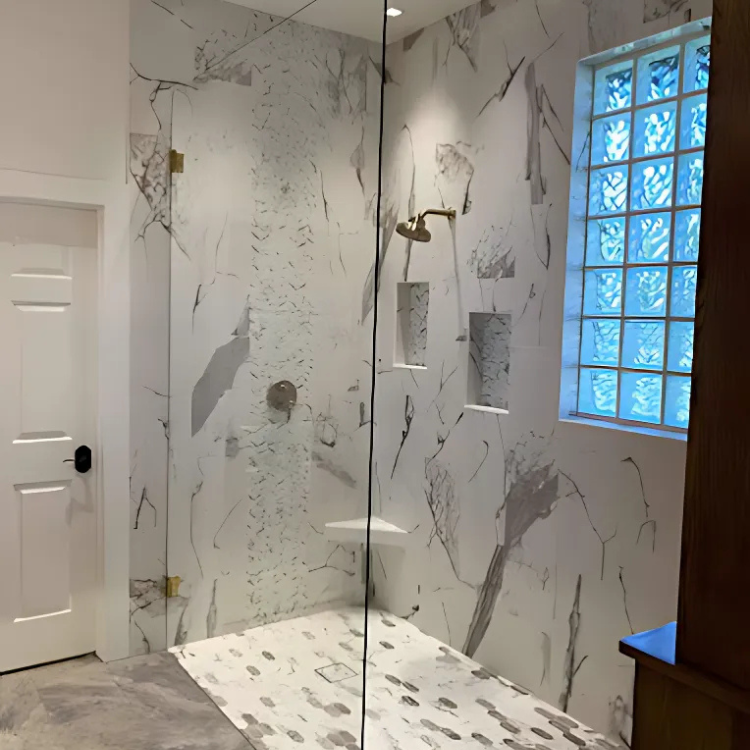
Glass Shower Doors That Brighten Small Bathrooms Beautifully
When you’re remodeling a smaller bathroom in Dallas, the bottleneck usually isn’t the tile—it’s the visual weight. I’ve walked into plenty of North Texas homes where the shower has a traditional framed door, heavier metal hardware, and a bulky surround. Even with great lighting and fresh paint, the space still feels tight because the shower “box” visually interrupts the room.
One couple we worked with in east Dallas had a compact primary bath with a shower alcove that measured just enough to feel awkward. They wanted the same footprint, the same layout, and the same shower function—but they needed the bathroom to feel brighter and more open. The fix wasn’t changing the tile or moving plumbing. It was upgrading the shower glass system so the room could breathe.
Quick Answer
Frameless glass shower doors (and well-planned shower enclosures) brighten small bathrooms by reducing visual barriers—less metal framing, cleaner sight lines, and more continuous reflections. For best results, choose the right glass thickness, plan the door type for your opening, ensure proper slope and sealing, and design the hardware layout around your exact measurements.
What Actually Helps Small Bathrooms Look Bigger
In tight bathrooms, homeowners often focus on tile size, vanity style, and lighting temperature. Those choices matter—but the shower enclosure can quietly dominate the room.
From an installer’s perspective, here’s what makes the biggest difference visually and functionally:
- Reduced metal framing: Framed systems can create strong horizontal and vertical “grid” lines that make the shower feel boxed in. Frameless designs remove most of that visual interruption.
- Clear sight lines: When you can see more of the shower opening without thick borders, your eye reads the space as larger.
- Better light reflection: Clean, properly finished glass helps bounce light across the bathroom. In Dallas homes with bright morning sun (or even with more neutral interior lighting), that reflection can make the whole room feel lifted.
- Door choice that fits the traffic flow: A shower door that opens into the room efficiently prevents the “blocked walkway” feeling that often happens in small layouts.
If you’re considering a more minimal look, you’ll likely be comparing different setups. For example, if you want the cleanest visual profile, explore frameless shower door solutions and how frameless hardware is typically installed to support the glass safely and securely.
Frameless vs Semi-Frameless Shower Doors
Small bathrooms are where the difference between frameless and semi-frameless can be most noticeable. Here’s a practical comparison based on what we see during measurement and installation planning.
| Feature | Frameless Shower Doors | Semi-Frameless Shower Doors |
|---|---|---|
| Visual weight | Lowest (most open look) | Slightly heavier appearance |
| Metal framing | Minimal to none on the glass panels themselves | More metal presence depending on design |
| Hardware visibility | Clean, modern hardware lines | More framing can break sight lines |
| Best for | Tight spaces, modern remodels, “bright” aesthetics | When you want partial structure or a specific style balance |
| Installation planning | Requires precise measurements and correct wall alignment | Still requires precision, but design may be a bit more forgiving |
In Dallas remodels, we frequently see homeowners select semi-frameless when they want a similar look but are concerned about cost or want a slightly more traditional feel. That can work well—just make sure the remaining framing doesn’t reintroduce the bulky look you’re trying to remove.
Recommendation I Often Give Homeowners
If your goal is a brighter, more open bathroom without changing the layout, frameless glass shower doors usually deliver the strongest visual impact. If you’re balancing budget or you have more complex wall conditions, a semi-frameless design can be a smart compromise—so long as the door hardware and glass panels are planned for long-term performance.
Our Experience Installing Glass Systems in Texas Homes
One firsthand thing we notice during installation in North Texas: many showers fail early not because the glass is “wrong,” but because the system wasn’t planned as a whole.
In a recent anonymized install, we replaced an older shower enclosure in a Dallas-area home where the tile slope had been corrected for drainage, but the new glass door was installed without fully accounting for how the door would meet the threshold and side walls. Within months, the homeowner complained about water escaping at one corner. The glass itself was fine—the issue was the alignment of the door meeting surfaces and the seal strategy relative to the shower’s existing drainage behavior.
That’s why we treat shower enclosure installation like a precision fit, not a generic swap:
- correct measurement at multiple points (walls aren’t always perfectly square)
- hardware selection matched to glass size and door weight
- ensuring contact points are sealed and aligned for actual daily use
What Homeowners Often Overlook
Most problems start during planning. Here are the details that don’t get enough attention in many bathroom remodels:
- Door swing vs. real bathroom movement
In a small Dallas bath, you might think a hinged door will “fit,” but the real question is whether it blocks access to the toilet or vanity when someone needs to use the bathroom quickly.
- Glass clarity and maintenance expectations
Some homeowners expect “no work” after installation. In reality, hard water in North Texas can leave mineral marks that make glass look dull even if it’s clean. Planning for maintenance (and choosing the right treatment approach) avoids that frustration.
- Wall conditions and alignment
If your shower walls aren’t consistent—common in older homes—hardware must be installed with the right approach so the door stays square over time.
- Threshold and sealing strategy
A beautiful door won’t perform if the seal design doesn’t match the threshold condition and how water actually runs inside the shower.
Common Mistakes That Shorten Shower Glass Lifespan
Homeowners don’t usually set out to damage their shower doors. But a few recurring choices can shorten glass life and create recurring maintenance headaches.
1) Using the wrong cleaners
Avoid abrasive pads and harsh chemicals that can haze finishes or damage protective coatings. Mineral buildup feels stubborn after a few weeks—especially in hard-water areas—but scrubbing aggressively can create micro-marks that hold residue.
2) Skipping proper sealing at the door edges
Even frameless systems rely on correct sealing at the meeting points. If the seal isn’t installed correctly—or if the door hardware alignment changes—water exposure can increase.
3) Choosing a door style without considering access
A sliding door can be a great fit for some layouts, but if the track design doesn’t match your space and usage pattern, you may end up with cleaning difficulties or a door that doesn’t open comfortably when you need it most.
If you’re leaning toward a space-saving option, take a look at sliding shower enclosure options and how sliding systems are planned for smooth operation and easier access in smaller bathrooms.
4) Replacing glass without addressing underlying shower issues
Cracks, poor drainage, or deteriorated caulk lines can keep causing problems. Glass replacement should be paired with a quick functional review of the shower area.
Shower Glass Planning Checklist
If you’re working through a remodel, this checklist helps you plan like a pro and avoid surprises during installation.
Measurements & Layout (do this before final ordering)
- Confirm your rough opening dimensions at multiple heights
- Measure wall-to-wall points and check for out-of-square conditions
- Decide door style based on traffic flow and bathroom access
Materials & System Details
- Choose glass thickness appropriate for your door size and configuration
- Confirm hardware finish compatibility with your bathroom style
- Plan for correct sealing strategy at all contact points
Performance & Maintenance
- Ask about hard-water cleaning expectations in North Texas
- Plan a simple routine for preventing mineral buildup
- Consider how you’ll clean corners and door edges
Installation Readiness
- Ensure the shower base and threshold area are in good condition
- Verify tile grout lines and caulk areas are sound where the glass will meet surfaces
- Confirm you have clear access for installation crews
For broader bathroom enclosure options, you can also review shower enclosures to understand how different configurations are typically planned.
Signs It’s Time to Replace Shower Glass
Sometimes the glass looks “fine,” but the system is already underperforming. Common signs include:
- water escaping repeatedly at the door edges
- visible mineral buildup that won’t improve with normal cleaning
- door hardware that feels loose or misaligned
- cloudy glass that looks worse after cleaning (often due to etching or long-term mineral bonding)
- recurring maintenance that keeps coming back month after month
Replacing the shower door glass or the full enclosure can be a smart move—especially when you’re already updating lighting, paint, or tile.
If you’re doing a wider refresh, it can also pair nicely with other interior upgrades. For example, many homeowners modernize the look further with additional interior glass elements. You can explore custom interior glass upgrades when you want consistent design lines throughout the home.
A Realistic Project Case (Anonymized)
A homeowner in the Dallas-Fort Worth area had a small guest bath with a tub-shower combo converted to a walk-in. The tile was updated, but the enclosure stayed framed because the original plan was to “figure out glass later.” Months passed, and the bathroom stayed visually heavy—plus the door leaked at one corner.
During the enclosure replacement, we found that the previous glass order didn’t account for the exact meeting angle between the door and the threshold after the conversion. We corrected the system by:
- using a door configuration that matched how the homeowner used the space daily
- installing hardware with the correct alignment so the door stayed square
- selecting a sealing approach that matched the threshold condition
The homeowner’s feedback was simple: the bathroom looked brighter immediately, and the water behavior improved because the system was finally planned as an integrated fit—not just a replacement panel.
Dallas or North Texas Relevance: Why This Matters Locally
Dallas-area water conditions can be a real factor in how glass looks over time. Hard water and frequent humidity can leave mineral deposits even when you’re diligent about cleaning. That means the best-looking shower glass isn’t only about style—it’s also about installing a system that stays aligned, seals properly, and is designed for practical maintenance.
In many North Texas homes, the trend is minimalist and open-concept interiors. Frameless and clean-line shower enclosures match that direction because they reduce visual clutter right where people notice it most: the bathroom mirror line of sight.
We also regularly work around the realities of older Dallas homes and newer builds alike—some walls need careful alignment planning, and some layouts need door types that support real movement through the room.
Maintenance & Planning Checklist (Simple, Realistic)
To keep your shower doors looking bright and glass-clear longer:
- Wipe down after showers if you can (even a quick squeegee pass helps)
- Use non-abrasive cleaners designed for glass and safe for common finishes
- Check seals and corners periodically for gaps or breakdown
- Avoid harsh scrubbing that can create micro-scratches and trap minerals
- Keep hardware clean and dry to prevent finish dulling
Ready to Upgrade Your Bathroom or Interior Glass Design?
If you want your small bathroom in Dallas to look brighter without changing the layout, the shower enclosure design details matter—door type, glass thickness, hardware alignment, and sealing strategy all work together.
About Shower Doors of Dallas
Shower Doors of Dallas provides frameless shower doors, custom glass installations, shower enclosures, mirrors, stair rail glass, and architectural glass solutions throughout Dallas, TX and surrounding North Texas communities. The company focuses on precision craftsmanship, modern design, durable materials, and helping homeowners create brighter, cleaner, and more functional spaces through professional custom glass solutions.
FAQ
Are frameless shower doors worth it for small bathrooms?
Most homeowners who choose frameless do so because it removes visual bulk. In smaller bathrooms, the reduction in framing and the cleaner sight lines can make the room feel larger without changing the footprint. If you’re also using better sealing and correct hardware alignment, performance improves as well—not just aesthetics.
How do I keep shower door glass clear in Dallas?
Hard water can cause mineral buildup. A practical routine usually includes quick post-shower wipe-down (or squeegee), non-abrasive glass-safe cleaners, and periodic checks of the door meeting points and seals. If spots return quickly, adjust your cleaning frequency before you rely on aggressive scrubbing.
Do frameless shower doors leak?
They can be designed to perform very well, but leaks usually come from alignment issues, threshold conditions, or sealing strategy—not from the absence of framing alone. A properly planned system with correct hardware sizing and sealing at contact points is the key.
What’s the best door style for a tight bathroom?
It depends on how you move in the space. Hinged doors can work well when there’s clearance, while sliding shower doors may be better when you need to preserve walkway space. The best choice comes from measuring your layout and considering daily use, not just the opening size.