
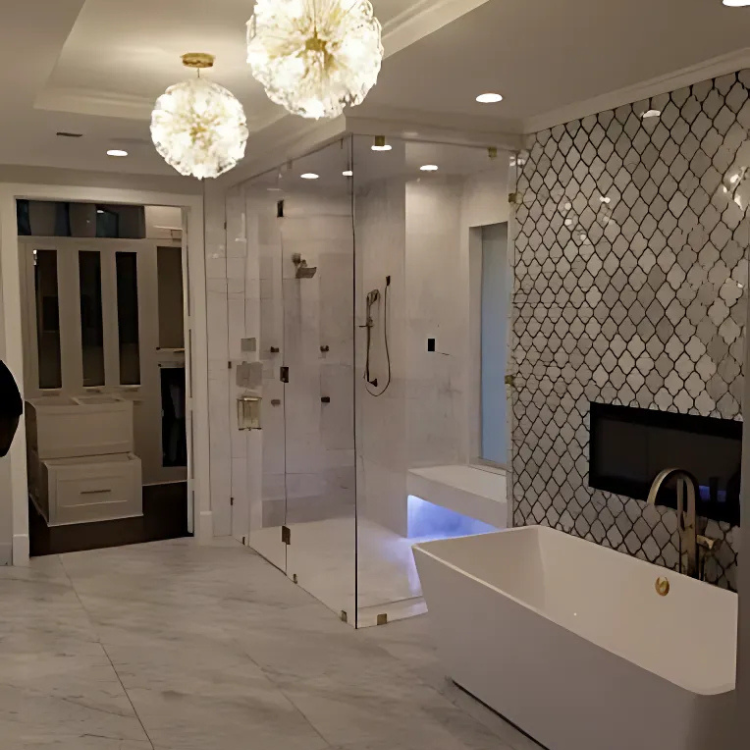
Sliding Shower Doors for Seamless Open-Close Convenience
A lot of Dallas homeowners start a bathroom remodel with the tile and the vanity—then hit a real-life problem: the shower feels cramped the moment the door opens. In many North Texas homes, the bathroom layout is tight, the hallway swing is limited, and the existing framed shower doors take up valuable space. You end up with a door that’s “technically functional” but frustrating to use every day.
That’s where sliding shower doors make sense. When they’re designed and installed correctly, they give you that clean, modern look while keeping the walk-in space open and easy to access—especially in smaller bathrooms, corner showers, and remodels where plumbing and framing can’t easily be moved.
Quick Answer
Sliding shower doors are a great option if you want:
- a space-saving open/close setup (no outward door swing)
- a sleek, modern appearance with minimal visual clutter
- a smooth routine for daily shower use
For best results, choose a properly engineered track system (or frameless-style sliding configuration), verify the shower opening measurements precisely, and plan for water management at the thresholds and edges.
Why Sliding Shower Doors Feel So Convenient (and Where They Shine)
From an installer’s perspective, sliding doors solve a very practical problem: door swing clearance. In Dallas-area homes—particularly older neighborhoods with smaller bathroom footprints and newer builds that prioritize open-concept layouts—space is often more constrained than homeowners expect.
A well-planned sliding system typically offers:
- Efficient access: You can step in without negotiating a swinging door.
- Cleaner sightlines: Sliding designs can keep the front edge visually lighter than many hinged systems.
- Better fit for corner and neo angle layouts: When the geometry is right, sliding panels can reduce awkward “dead zones” near the opening.
One firsthand detail that matters: the track alignment is everything. If the track isn’t perfectly level and square relative to the shower base, the door can feel stiff, rub at the corners, or stop smoothly. It’s not just aesthetics—misalignment can shorten hardware life and increase the odds of water getting where it shouldn’t.
If you’re already considering a broader enclosure refresh, you may also want to explore sliding shower enclosure options that match your shower’s shape and opening size.
Frameless vs Semi-Frameless Shower Doors
Homeowners often ask whether sliding should be frameless. The honest answer is that it depends on the look you want and the structural realities of your opening.
Here’s a simple way to think about it:
| Option | Visual Style | Hardware/Support | Best For |
|---|---|---|---|
| Frameless sliding shower doors | Cleanest lines, most open feel | Heavier glass panels and engineered fittings | Luxury remodels, modern bathrooms, custom shower glass designs |
| Semi-frameless sliding shower doors | Slight framing detail | Added support points | When you want a close-to-frameless look with practical reinforcement |
If you’re comparing designs more broadly, you’ll likely appreciate the difference between frameless shower door solutions and other enclosure configurations.
My installer takeaway
When people say they want “frameless,” they’re usually describing the look. But the system still needs to be engineered for:
- the glass thickness and panel size
- the track placement
- the way the door meets the fixed glass and threshold
That’s why precise measurement and correct hardware selection are not optional.
What Homeowners Often Overlook
Most shower problems don’t start with the glass—they start with the plan.
Common planning oversights we see
- Underestimating water behavior at the threshold and meeting edges
Even high-end glass can’t fix poor water management.
- Assuming the tile layout matches the door layout
If the shower walls aren’t plumb or the tile thickness varies, the door can end up “fighting” the opening.
- Not accounting for hard water and etching risk
Dallas-area water can leave mineral deposits that reduce clarity over time if cleaning is inconsistent.
- Forgetting how the door will be used daily
A door that looks great but requires awkward hand placement or constant readjustment becomes a nuisance fast.
Common Mistakes That Shorten Shower Glass Lifespan
This is the part I wish every homeowner heard before scheduling installation.
1) Choosing hardware without matching the glass size and weight
Sliding doors rely on rollers, guides, and seals that must be sized for the panel’s weight and dimensions. If the hardware is underspecified, you may notice:
- uneven glide
- premature roller wear
- door alignment drifting over time
2) Ignoring proper sealing at the edges
A sliding door’s job is more than closing—it’s controlling water at the meeting points. If the setup doesn’t include appropriate seals and correct contact geometry, you can get:
- water seepage into wall cavities
- faster corrosion of metal components
- recurring mold or grout staining
3) Using the wrong cleaning routine
Hard water deposits don’t just look bad—they can etch surfaces. Using abrasive cleaners or leaving mineral residue to bake on can lead to permanent haze on glass.
4) Treating “close enough” measurements as acceptable
I’ve seen installations delayed or reworked because measurements were taken without accounting for:
- tile thickness variations
- out-of-square walls
- base irregularities
Custom glass depends on precision. That’s not upselling—it’s how you avoid repeat costs.
Planning, Installation, or Maintenance Checklist
If you want sliding shower doors that stay smooth and look sharp year after year, plan like a system—glass, hardware, seals, and the shower base all work together.
Shower Glass Planning Checklist (Homeowner-Friendly)
- Measure the opening more than once (and confirm tile conditions)
- Decide the layout: fixed panel vs moving panel, and which side the door should slide toward
- Choose the glass thickness and finish appropriate for your enclosure size
- Plan for water control: seals, threshold alignment, and correct meeting edges
- Confirm hardware quality: rollers, guides, and track stability
- Select a cleaning approach upfront to manage hard water buildup
Installation considerations we focus on
- track level and alignment relative to the shower base
- consistent clearance across the opening
- correct seal contact points
- smooth glide test after installation (not just “it closes”)
Maintenance that actually helps
- Use a non-abrasive glass cleaner and microfiber cloths.
- Wipe the glass after showers when possible (even a quick pass reduces buildup).
- For Dallas-area hard water: set a realistic schedule for mineral deposit removal—don’t wait until the haze becomes permanent.
If you’re also thinking about other glass elements in the home, it can help to coordinate materials and finishes across projects. Many homeowners pair shower upgrades with other interior glass work—like custom interior glass upgrades—so the overall design feels cohesive.
A Realistic Project Example (Anonymized)
Here’s a case that’s common in North Texas remodels: a homeowner wanted a brighter, cleaner bathroom without changing the plumbing. The existing shower had framed doors that made the space feel narrower, and the family was tired of managing water overflow.
What we did differently:
- We designed a sliding setup to avoid the outward swing issue and maximize usable shower access.
- We verified the shower base readiness and addressed alignment before hardware placement.
- We selected a configuration that improved water control at the meeting edges, not just the door closing appearance.
The result wasn’t only visual. The door glided smoothly, stayed aligned through regular use, and the homeowner reported noticeably less recurring water staining at the edges.
That’s the difference between “installed glass” and a properly engineered shower system.
Dallas or North Texas Relevance: Why It Matters Here
Dallas bathrooms deal with real-world conditions: heavy humidity swings, frequent use, and—most notably—mineral-rich water that can dull clarity over time. In many North Texas homes, we also see design preferences leaning modern and minimalist, which means homeowners notice framed metal details more quickly than they did in older renovations.
Sliding doors work well in this environment because they:
- keep the space functional in tighter footprints
- support a cleaner, contemporary enclosure look
- can be built with durable hardware and well-matched seals for long-term performance
And when you’re working in existing bathrooms, layout constraints are usually the rule—not the exception—so choosing a door system that fits the space matters as much as the material.
Optional Comparison: Sliding vs Hinged (When Homeowners Are Unsure)
| Feature | Sliding Shower Doors | Hinged Shower Doors |
|---|---|---|
| Space use | Excellent for tight bathrooms | Requires clearance for door swing |
| Visual line | Often sleek and open | Can look heavier depending on framing |
| Daily convenience | Smooth access, minimal obstruction | Great when clearance exists |
| Best fit | Corner, neo angle, remodel constraints | Larger openings with room to swing |
If your remodel is leaning toward a full enclosure refresh, you may also want to review how the overall system fits into your layout using shower enclosures as a planning reference.
Signs It’s Time to Replace Shower Glass
Even strong glass doesn’t last forever if the system is failing. Consider replacement if you’re noticing:
- visible chips or edge wear
- persistent water leakage at seams
- doors that don’t glide smoothly anymore
- recurring staining that doesn’t respond to careful cleaning
- foggy, etched glass that cleaning can’t restore
Sometimes the glass isn’t the only issue—track alignment, seal compression, or damaged hardware can be the real culprit. A good inspection can save money by focusing on what actually needs replacing.
FAQs
Are sliding shower doors good for small bathrooms?
Yes. Sliding doors are often one of the best choices when you can’t afford the clearance needed for a hinged door swing. In smaller Dallas bathrooms, that difference can be the gap between a shower that feels comfortable and one that feels cramped.
Do sliding shower doors leak?
They shouldn’t, but leakage usually comes from seal contact issues, threshold alignment problems, or an uneven base—not from the sliding concept itself. Proper installation and correct sealing details are what keep water where it belongs.
How do I keep sliding shower doors looking clear in Dallas hard water?
Use non-abrasive cleaners and wipe down after use when possible. Plan periodic mineral deposit removal rather than waiting until haze becomes etched. Consistency matters more than aggressive cleaning.
What’s the biggest factor for a smooth-gliding sliding door?
Track alignment and hardware sizing. If the track isn’t level and square, or if rollers/guides don’t match the glass panel, the door can rub, bind, or wear prematurely.
Ready to Upgrade Your Bathroom or Interior Glass Design?
If you’re planning a shower door replacement or a full enclosure update, take a moment to map the layout, confirm the shower opening details, and choose a sliding system engineered for your specific glass and hardware needs. That’s how you get a door that looks great and works smoothly for the long haul.
About Shower Doors of Dallas
Shower Doors of Dallas provides frameless shower doors, custom glass installations, shower enclosures, mirrors, stair rail glass, and architectural glass solutions throughout Dallas, TX and surrounding North Texas communities. The company focuses on precision craftsmanship, modern design, durable materials, and helping homeowners create brighter, cleaner, and more functional spaces through professional custom glass solutions.