
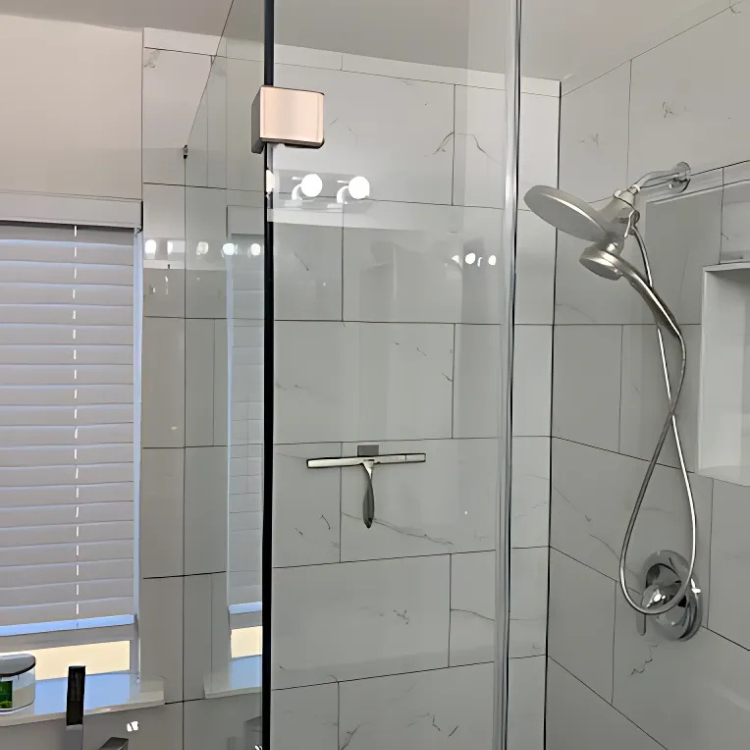
Shower Doors That Keep Water Contained Beautifully
A few months into a remodel, one North Texas homeowner called us because their “new” shower started feeling worse, not better. The tile looked great, the fixtures were upgraded, and the glass was installed—yet water kept creeping out at the bottom and along one side during every shower. What surprised them most was how small the issue looked at first: a slightly misaligned door, a threshold that didn’t do its job, and a tiny gap that let water find the easiest path.
In Dallas and throughout North Texas, that problem shows up more often than people expect. Between hard water, frequent humidity swings, and busy bathroom routines, shower systems need more than good looks. They need correct glass layout, proper hardware sizing, and a water-management plan that fits your specific shower pan, tile slope, and door style.
Quick Answer
If you want shower doors that keep water contained, focus on three things:
1) the right door style and hardware for your opening,
2) a properly sealed and aligned installation (especially at the threshold and side edges), and
3) glass + surface care that prevents buildup from gradually changing how the door operates.
Frameless shower doors can be a great choice for modern Dallas bathrooms, but “frameless” still requires precise planning—especially when your goal is a clean look without recurring leaks.
Frameless Shower Doors That Actually Perform (Not Just Look Sleek)
We install shower enclosures every week, and here’s what homeowners usually don’t realize: water control isn’t mainly about whether the door is frameless or framed—it’s about how the system is designed to direct water back into the shower.
What “water containment” really depends on
From an installer’s perspective, these are the variables that matter most:
- Shower pan and tile slope: If water doesn’t drain where it should, it will “pool” and then escape through gaps you wouldn’t expect.
- Threshold condition: Even a small defect or an uneven transition at the bottom can defeat the door’s sealing function.
- Door alignment and operating clearance: Doors that rub, swing inconsistently, or sit slightly off-center often leak over time.
- Seal strategy: The right seal type and placement matters as much as the glass thickness.
- Hardware selection: Hinges, pivots, rollers (for sliding systems), and return panels must match the door weight and movement.
A realistic example we see often (anonymized)
In one recent Dallas-area job, the homeowner chose a frameless look because they wanted a brighter, more open bathroom. The glass was installed with quality materials, but the enclosure didn’t fully account for a subtle floor transition change after tile work. The door looked straight when we arrived, yet during the first week of use, water tracked along the bottom edge because the door wasn’t landing consistently against the seal.
The fix wasn’t “replacing everything.” It was correcting the hardware alignment, verifying the strike/landing position, and confirming the threshold contact point so the door closed the same way every time.
If you’ve ever had the experience of “it looked fine during install,” this is why we treat alignment and landing contact like the job’s real foundation—not a final detail.
Glass + hardware recommendation
For most custom shower enclosures, we recommend:
- Tempered shower glass panels for safety and stability
- A door thickness appropriate for the size and style you choose (heavier doors need hardware that’s sized to move smoothly without sagging)
- Hardware designed for wet-area use with proper wall anchoring
- A seal approach that matches your door type (hinged/pivot vs. sliding)
If you’re comparing styles for your remodel, you may also find it helpful to explore our frameless shower door solutions so you can see how system planning changes by opening type.
What Homeowners Often Overlook
Even careful homeowners miss a few things during planning—especially when they’re focused on tile, fixtures, and lighting.
1) Visual openness vs. water behavior
Removing bulky framing can make a bathroom feel larger and cleaner, but the door system still has to manage water. We often see a mismatch between “sleek design goals” and “real-world shower flow” if the enclosure layout wasn’t built around how the shower is actually used.
2) The bathroom layout after the remodel
A lot can change once the remodel is finished: a new vanity, a different towel bar location, even minor bathroom traffic patterns. That can affect how a door is opened, how far it swings, and how the shower is loaded (kids rushing, guests stepping differently, etc.). The best enclosure design anticipates real usage.
3) Decorative glass planning
If you want etched, patterned, or decorative panels, it’s tempting to place them purely for aesthetics. In practice, the pattern can influence how water and mineral deposits visually read over time. If you’re considering custom looks, you’ll want to plan it alongside maintenance expectations—especially with hard water.
If decorative glass is part of your vision, we can help you map options like custom etched glass into a layout that still stays easy to clean.
Common Mistakes That Shorten Shower Glass Lifespan
Water containment failures often come from early “small” decisions that compound over time. Here are the mistakes we see most frequently.
Common mistake homeowners make: ignoring threshold contact and seal fit
A lot of leaks begin because the door doesn’t consistently land where it should—especially after tile transitions, minor floor movement, or an installation that didn’t re-check the closing position. Once that happens, water escapes, minerals build up faster, and the door may start to operate less smoothly.
What it looks like:
- Water appears at the bottom after 2–4 weeks of use
- You see cloudy buildup near the bottom edge sooner than other areas
- The door feels slightly “off” when closing
Other installation mistakes that cause trouble
- Underestimating hard water: Dallas-area water can leave mineral residue that gradually affects cleanliness and door movement.
- Choosing the wrong door style for your opening: Sliding doors can be great, but they need the right track alignment and spacing to prevent water migration.
- Not accounting for wall condition: Uneven walls or inconsistent backing can lead to misaligned hardware.
- Skipping proper glass layout measurements: Even a small measurement error can create a permanent gap.
- Using the wrong cleaning approach: Abrasives or harsh chemicals can haze glass and damage finishes over time.
Practical hardware note
If you’re considering a door type like hinged, pivot, or a corner enclosure, we always verify the movement path. Hardware that’s slightly undersized—or installed without the correct alignment—can cause sagging and micro-gaps later.
Shower Glass Planning Checklist
Before installation, it helps to review planning like a checklist. This is the same kind of thinking we use in the field to avoid surprises.
Shower enclosure planning checklist
- Confirm your shower size and opening (measurements should match the final tile layout, not the rough framing)
- Check the pan and slope: water should drain predictably after a test pour
- Decide the door style based on clearance and daily use:
- Hinged/pivot for clean access
- Sliding for tighter layouts
- Corner or neo angle enclosures when geometry demands it
- Plan the seal strategy for your door type and threshold
- Choose glass thickness and hardware appropriate for the panel size and operation
- Plan the maintenance approach based on your hard water exposure:
- For busy households, consider designs and finishes that remain easy to wipe down
- Verify installation timing: If tile work isn’t fully cured or leveling isn’t finalized, alignment can be compromised
Maintenance plan that supports water containment
- After showers, do a quick squeegee pass (30 seconds prevents faster mineral buildup).
- Use a cleaner made for glass surfaces; avoid abrasive pads.
- Inspect the bottom edge and seals monthly for debris or residue.
- Keep the door operating smoothly—if it starts to feel “sticky,” address it early before alignment shifts.
If you’re exploring layout options, it may also help to compare door styles like sliding systems—see sliding shower doors for how we think through track alignment, panel overlap, and water management.
Frameless vs Semi-Frameless Shower Doors
Homeowners often ask whether “semi-frameless” is safer for containment. In real installations, both can be excellent—what matters is the overall system design.
| Feature | Frameless | Semi-Frameless |
|---|---|---|
| Visual impact | Minimal lines, modern look | Slightly more structure and framing presence |
| Water containment | Excellent when seals, alignment, and threshold are correct | Often forgiving visually, but still depends on sealing and hardware fit |
| Hardware considerations | Needs correct sizing and alignment to prevent sag over time | Frame can add structure, but seals still matter most |
| Best fit | Clean, open designs; custom layouts | When you want a bit more “traditional” structure or certain wall conditions |
| Maintenance | Similar care, but mineral buildup visibility can vary by design | Similar care; framing details may trap residue if not cleaned |
Our recommendation: pick the style that matches your bathroom layout and your tolerance for cleaning. A well-installed frameless system can be just as reliable as semi-frameless—provided the installation addresses the same containment fundamentals.
Signs It’s Time to Replace Shower Glass
Sometimes the issue isn’t your shower door style—it’s the system that’s been compromised over time.
Look for these signs:
- The door no longer closes the same way (gaps change day-to-day)
- You see persistent mineral buildup that won’t wipe away evenly
- The glass shows chips, edge damage, or spotting that keeps spreading
- Seals look worn, cracked, or no longer sit flush
- The enclosure has been repaired before and still leaks
Replacing (or upgrading portions) can be smarter than living with constant cleanup—especially if your bathroom remodel is otherwise complete.
If you’re dealing with an upgrade or needing a new setup, planning for shower enclosures should start with how your current system fails: where water escapes, when it appears, and whether the issue is alignment, sealing, or drainage.
Dallas or North Texas Relevance: Why Water Behavior Matters Locally
Dallas homes and remodels often aim for brighter, more open interiors—especially in newer builds and urban renovations where bathrooms act like part of the overall living space. Frameless designs fit that aesthetic well.
But the region’s hard water and high humidity cycles mean shower glass gets mineral exposure faster than many homeowners expect. If you choose a beautiful enclosure without planning for maintenance and mineral buildup, you can end up with:
- cloudy glass that makes the space look older,
- faster seal deterioration,
- and doors that start operating less smoothly due to residue.
We also see many North Texas bathrooms where the shower is tiled extensively and the finish thickness varies slightly across the remodel. That’s why we re-check the final transition points and verify door landing contact during installation—because that’s where containment is won or lost.
What Actually Improves Bathroom Functionality
If you want your enclosure to perform for years, focus on function alongside design:
- Consistent door landing at the threshold and closing edge
- Correct seal contact without forcing the door to close harder than it should
- Appropriate hardware that supports the door’s movement and weight
- Smart glass layout that avoids forcing awkward angles where water has nowhere to go
- A maintenance plan that fits how your household uses the shower
When these are aligned, the enclosure looks clean longer, reduces daily cleanup, and helps keep the bathroom feeling “new” even years after the remodel.
Ready to Upgrade Your Bathroom or Interior Glass Design?
If you’re planning a shower replacement or want a frameless look that truly keeps water contained, precision matters—especially with Dallas-area water conditions and remodel variability. The best next step is to talk through your door style, measurements, and how your current setup leaks (if you’re replacing).
About Shower Doors of Dallas
Shower Doors of Dallas provides frameless shower doors, custom shower glass, shower enclosures, mirrors, stair rail glass, and architectural glass solutions throughout Dallas, TX and surrounding North Texas communities. The company focuses on precision craftsmanship, durable materials, and helping homeowners create brighter, cleaner, and more functional spaces through professional custom glass solutions.