
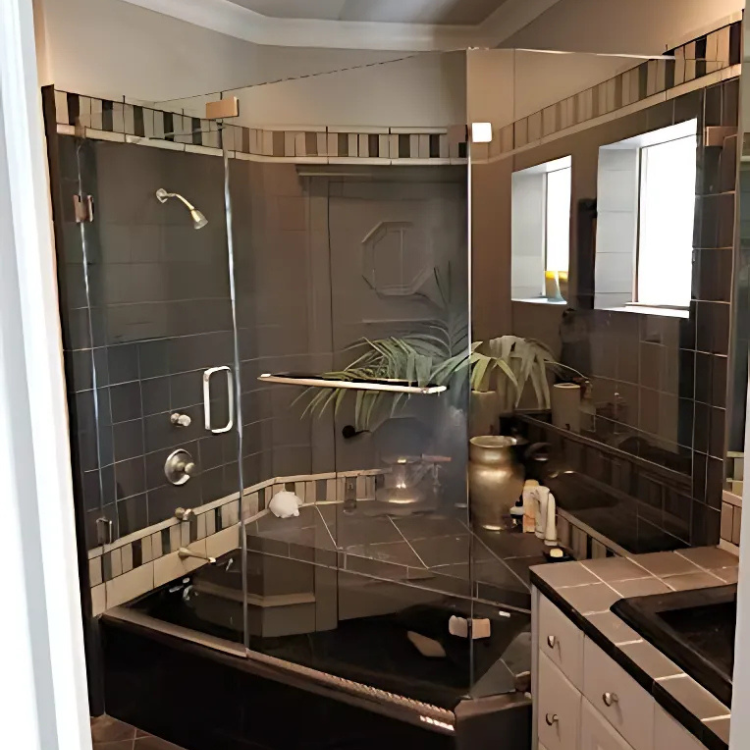
Sliding Shower Doors for Quiet Operation and Style
A few weeks into a Dallas kitchen-and-bath remodel, one homeowner called us frustrated—not about the tile or the new vanity, but about the shower door. Their old unit was loud, wobbly, and increasingly hard to close. Every morning, the bathroom sounded like the track was fighting them. They also noticed water spotting along the edges after each shower, even though they were careful to squeegee.
In North Texas, those issues show up more quickly than people expect. Humidity, temperature swings, and hard water can turn small installation tolerances into visible problems. And when the door doesn’t glide smoothly, homeowners tend to push harder—accelerating wear on rollers, hinges, and seals.
That’s why sliding shower doors deserve a closer look. Done correctly, they offer a clean, modern look while delivering quieter operation and consistent coverage in everyday use.
Quick Answer
Sliding shower doors are a strong choice for bathrooms that need space-saving access and a sleek, minimal look. For quiet operation and better water control, the real differentiators are:
- correct track alignment and level
- proper roller/guide hardware selection
- the right glass thickness and panel layout
- high-quality sweeps or seals where the door meets the threshold
- correct shower enclosure slope and drainage
If you’re replacing shower doors and want a calmer, more reliable daily routine, a professionally installed sliding system is often the smoothest upgrade—especially when paired with frameless shower glass.
Why Sliding Shower Doors Can Feel “Quiet” (When Installed Right)
People assume “quiet” is just about the roller type. Hardware matters, but in practice, most noise and drag come from installation geometry—things you can’t fully see until you watch the door move.
Here’s what we typically check during a Dallas-area installation:
- Track level and alignment: Even a slight out-of-level track forces rollers to ride unevenly, which creates grinding noise and premature wear.
- Panel spacing consistency: Sliding doors rely on precise spacing so the glass doesn’t rub against guides.
- Guide and roller condition (and match): Using hardware that doesn’t match the glass weight or panel configuration can make doors feel stiff.
- Threshold and sweep contact: A door that “almost” seals may still allow water creep, which homeowners interpret as a “glass quality problem” when it’s often a seal-contact issue.
When everything lines up, sliding doors don’t just look modern—they glide with a soft, controlled movement that feels effortless.
For homeowners interested in a broader range of systems, it helps to compare options like sliding shower enclosure options and understand how each one affects space, access, and water management.
Frameless Glass vs. Sliding Panels: The Installer Perspective
A common misconception is that “frameless” always means a sliding door will be completely hardware-free. In reality, sliding systems still require guides, rollers, and carefully engineered contact points. The goal is to keep the visual weight minimal while maintaining structural stability and smooth travel.
On many modern Dallas remodels, we see homeowners invest heavily in tile, lighting, and fixtures—but underestimate how the shower enclosure’s hardware and framing choices change the entire bathroom’s visual scale. If your bathroom currently has bulky metal framing, removing it and moving to frameless glass shower doors often makes the space feel brighter and more open immediately—without changing the footprint.
From an installer standpoint, the real win with frameless sliding designs is the cleaner line coupled with more intentional seal design. That means fewer “mystery leaks” and less frustration during daily use.
Quick Pros/Cons (Real-World Use)
| Feature | Sliding Shower Doors | What to Watch |
|---|---|---|
| Space efficiency | Excellent for tighter bathrooms | Requires clear track maintenance habits |
| Visual style | Modern, minimal look | Hardware must be chosen for your panel size/weight |
| Daily usability | Smooth, quiet movement when aligned | Poor leveling can cause drag/noise |
| Water containment | Good with proper sweeps and seal contact | Threshold design and drainage matter |
What Homeowners Often Overlook
The “quiet operation” goal is great, but it’s usually derailed by a few planning gaps. We see these most often when homeowners are juggling contractors, ordering fixtures early, and making changes late in the process.
Common Mistake: Waiting to Measure Until Everything Else Is Finished
Sliding doors are highly dependent on opening dimensions, wall alignment, and finished-floor height. If tile thickness or a curbless transition changes late, the door might still install—but the rollers and sweeps can end up working harder than they should.
Common Mistake: Assuming the Track Will “Fix” a Floor Issue
The track can’t compensate for drainage or slope problems. If the shower base or slope is off, water can sit where it shouldn’t. That leads to:
- water spotting and mineral buildup
- seal saturation and faster wear
- a door that feels “sticky” even if the hardware is correct
Common Mistake: Choosing Style Over Panel Layout
Sometimes a door looks right on paper but doesn’t perform well because of how the glass meets the fixed panel and threshold. Layout affects:
- sweep coverage
- water behavior
- how easily the door opens and closes without rubbing
Our Experience Installing Glass Systems in Texas Homes
In North Texas, we’re often installing in homes that were designed with open-concept layouts, so the bathroom can’t feel heavy or closed off. That’s one reason sliding shower doors continue to be popular: they preserve a clean visual line while keeping the entry accessible.
One anonymized example we can share: a homeowner near Dallas replaced an older framed shower with a modern tiled enclosure and a custom glass system. The first attempt used a standard track setup that didn’t account for a slight out-of-square wall condition. The result was subtle—no dramatic failure—but the door sounded louder within weeks, and water began to “travel” along the edge during prolonged showers.
We revisited the installation details:
- rechecked track alignment and level
- adjusted guide contact points
- verified sweep contact against the threshold
- confirmed consistent clearance to prevent glass-to-guide friction
After the corrections, the door’s movement became noticeably quieter, and water spotting reduced because the seal contact was finally consistent.
That’s the installer reality: sliding shower doors aren’t just a product—they’re a system. The difference lives in alignment, contact, and fit.
Shower Glass Planning Checklist (Before You Commit)
Use this checklist when planning your sliding shower upgrade—especially if you’re coordinating tile, plumbing, and flooring changes.
Shower Enclosure & Door Planning Checklist
- Measure the finished opening after tile/stone is installed (or confirm exact tile thickness).
- Confirm the shower base slope and drainage direction.
- Decide on the glass panel layout (where the fixed panel goes, where the door overlaps).
- Choose glass thickness appropriate for your door size and configuration.
- Confirm the sweep/seal type for your threshold style (curb, neo-angle style, or other enclosure format).
- Plan for hard water management (more on maintenance below).
- Verify the track and roller hardware selection matches the panel weight.
- Ask how the installation handles wall out-of-plumb conditions.
If you’re also considering other interior glass elements, it’s worth thinking about the bathroom as a full glass “system.” Many homeowners pair a new shower enclosure with additional custom interior upgrades like custom interior glass to keep sightlines clean and light moving through the home.
Maintenance That Keeps Sliding Doors Smooth (and Clear)
Sliding doors can stay quiet for years, but they do require realistic upkeep—especially in Dallas where mineral deposits build quickly.
Daily/Weekly Habits
- After showers, wipe the glass where water beads and where the door meets the seal.
- Use a soft cloth or squeegee; avoid abrasive pads that can dull the glass surface.
- Rinse and wipe the track area if your design exposes it to water spray.
Monthly Care (Hard Water Friendly)
- Use a glass-safe cleaner to dissolve mineral buildup.
- Check sweeps/seals for gaps or wear.
- Inspect door movement: if you feel increased drag, address it early rather than forcing the door.
Seasonal Planning (Texas Reality)
- During heavier humidity months, increase wipe-down frequency to reduce spotting and streaking.
- If you notice persistent mineral haze, adjust your cleaning routine rather than postponing it.
A good system doesn’t just look better—it reduces the friction and buildup that lead to noisy operation over time.
Dallas or North Texas Relevance: Why Sliding Style Fits Local Remodels
Dallas remodels often aim for a modern, uncluttered look—especially in homes where the bathroom is visible from adjacent spaces. Sliding shower doors support that minimalist aesthetic by keeping the opening streamlined without bulky swing arcs.
But local conditions matter:
- Hard water accelerates mineral buildup on glass and seals.
- Humidity affects how quickly water spotting becomes visible.
- Tile-first remodels increase the chance of late measurement changes if coordination isn’t tight.
That’s why we emphasize precise planning and installation sequencing. In North Texas, the “quiet glide” you want is mostly about controlling fit and contact, not just picking a design.
Glass & Hardware Recommendation (What We’d Choose for Quiet Sliding)
If your goal is quiet operation and long-term performance, ask your installer about these specifics:
- Appropriate glass thickness for your panel size (stability reduces friction and flex)
- High-quality rollers/guide system matched to the door weight
- A sweep/seal that makes consistent contact with your threshold
- Track alignment and leveling method that accounts for wall conditions
- Tempered safety glass with a coating or treatment plan if you’re sensitive to spotting
If you’re also upgrading other glass components in the home, homeowners often choose custom shower glass to keep the entire bathroom consistent in clarity, thickness, and style—especially when they’re coordinating door glass with shower enclosures and decorative panel choices.
Ready-to-Replace Clues: When It’s Time for Shower Door Replacement
If your shower is otherwise fine but the door system is failing, replacement can be the smarter move than trying to patch it.
Look for:
- grinding or scraping during opening/closing
- door that won’t align cleanly anymore
- water pooling along the edge even after careful squeegeeing
- visible mineral buildup that won’t respond to normal cleaning
- worn sweeps/seals that look flattened or separated
- repeated “sticking” that forces you to push harder
These are usually hardware, alignment, or seal-contact issues—exactly the areas where a professionally installed sliding shower door system can restore smooth, consistent performance.
Questions Homeowners Ask
Are sliding shower doors worth it for a daily-use bathroom?
For many households, yes—especially when you want a sleek look and easy access. When properly aligned and sealed, sliding doors are comfortable to use and can be quieter than many older systems. The key is choosing hardware and a seal setup that matches your panel layout and shower threshold.
Do sliding shower doors leak?
They can, but leakage is rarely “inevitable.” Most issues come from seal-contact gaps, poor track alignment, or drainage/slope problems that allow water to sit and migrate. A properly installed system should direct water back into the shower area consistently.
How do I keep sliding doors from getting loud over time?
Regular cleaning (including the glass-to-seal areas and, if applicable, the track zone), gentle operation, and early attention to increased drag are the big factors. If you feel rough movement, don’t force it—get it checked before hardware wear accelerates.
What’s the biggest factor in quiet operation?
From what we see in the field, track alignment/level and correct sweep/seal contact are the biggest drivers. Hardware quality matters too, but alignment problems show up quickly as noise and stiffness.
Ready to Upgrade Your Bathroom or Interior Glass Design?
If you’re considering sliding shower doors and want quiet operation without surprises, start with accurate measurements and a plan that accounts for tile height, drainage, and seal contact. A well-designed enclosure is what makes daily use feel smooth—and keeps the glass looking clean longer.
About Shower Doors of Dallas
Shower Doors of Dallas provides frameless shower doors, custom shower glass, shower enclosures, mirrors, stair rail glass, and architectural glass solutions throughout Dallas, TX and surrounding North Texas communities. The company focuses on precision craftsmanship, durable materials, and helping homeowners create brighter, cleaner, and more functional spaces through professional custom glass installations.