
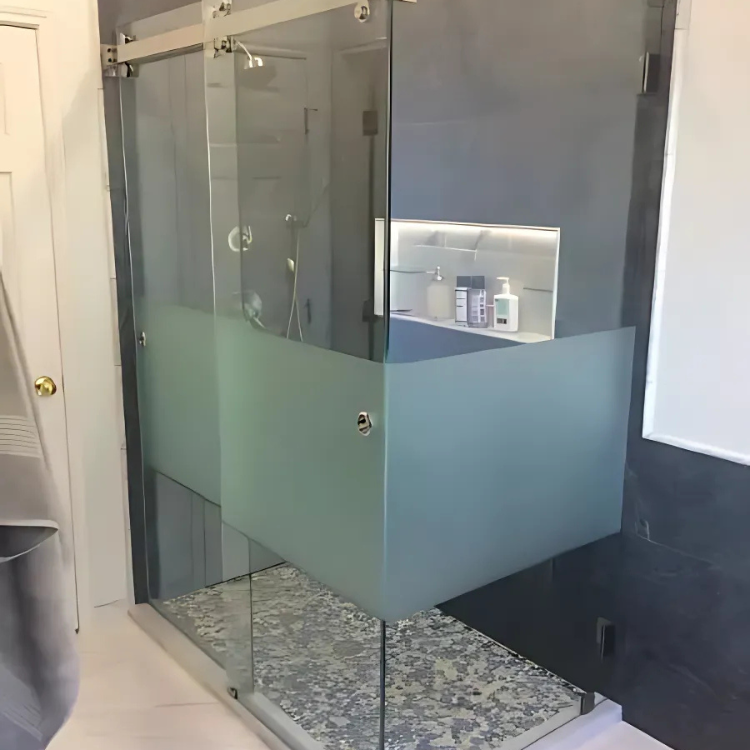
Shower Doors for Easy Cleaning and Long-Lasting Clarity
You know the feeling: you step into your Dallas-area bathroom after a remodel, and everything looks crisp—until you notice the shower glass turning cloudy. It’s not just aesthetics, either. In many North Texas homes, hard water spots build up fast, and older framed shower doors trap grime in the metal channels. Homeowners often end up spending more time cleaning than enjoying their new tile, lighting, and fixtures.
Last year, we worked with a homeowner in a modern Dallas neighborhood who had already upgraded the shower tile and vanity. The issue was the enclosure itself: the framed system made the shower look smaller, and the door hardware collected mineral deposits that were impossible to fully reach. They wanted a cleaner visual line and glass that stayed clearer with less effort—without changing the shower footprint.
That’s exactly where frameless shower doors and thoughtful shower enclosure design make a difference.
Quick Answer
If you want shower doors that are easier to clean and keep their clarity longer, focus on three things: glass type and thickness, how the system is installed (alignment + hardware selection), and how water is managed (slope and sealing details). In most Dallas and North Texas homes, going with frameless glass paired with proper hardware and maintenance planning reduces buildup in the first place and makes everyday cleaning more straightforward.
Frameless Shower Doors vs. Semi-Frameless: What Matters for Clarity
A lot of homeowners compare shower doors based on looks alone. From an installer’s perspective, the real difference is what happens at the edges—where water, soap residue, and minerals tend to accumulate.
Why frameless often cleans easier
Frameless shower doors typically use minimal metal framing, which means:
- Fewer horizontal ledges for soap scum to cling to
- Less “pinch-point” buildup around channels
- More direct wipe-down access across the glass surface
Where semi-frameless still works (and when it doesn’t)
Semi-frameless systems can be a great option when you need a bit more structural framing or specific design constraints. But if the design includes more metal components than necessary, you may see buildup in those areas sooner—especially with hard water.
A quick planning note on custom shower glass
When homeowners request “the clearest look possible,” we think beyond the door itself. The clarity you experience after installation depends on:
- Proper glass thickness for stability
- Correct alignment of hinges or pivot points
- How the enclosure interfaces with tile edges and walls
- Whether the system includes the right seals and strike points to limit water escape
If you’re exploring custom options, you’ll likely want to review custom shower glass so you can match the glass design to your exact opening and tile layout.
What We Commonly See in Dallas Bathroom Remodels
Dallas-area remodels often aim for a brighter, more open feel—especially in newer builds and updated older homes. But the shower enclosure is one of the first places where “visual weight” shows up.
Here’s what we commonly observe:
- Homeowners invest in modern tile patterns, frameless-looking niches, and sleek fixtures—then keep a framed shower door that visually anchors the room.
- Many bathrooms in North Texas face the same challenge: hard water exposure. Over time, mineral deposits reduce the “new glass” look faster than people expect.
- Layout constraints are common. Corner showers, neo angles, and tight bathroom footprints mean the door type must be matched to the opening—not chosen purely by style.
In one anonymized project, the homeowner had a corner shower with a door that didn’t close fully on one side. They noticed water pooling outside the enclosure within weeks. The tile was perfect. The glass was fine. The problem wasn’t the shower tile—it was the installed geometry and hardware alignment. Once we corrected the door alignment and updated the sealing contact, the water escape stopped, and the glass stayed clearer because it wasn’t constantly exposed to overspray.
Common Mistakes Homeowners Make
Even the best glass can underperform if the planning and installation details miss the mark. Here are the mistakes we see most often:
1) Choosing aesthetics without considering cleaning access
A beautiful door swing can create a “dead zone” where a microfiber cloth can’t reach. Soap scum and hard water residue build up there first, and you’ll feel it every time you clean.
2) Underestimating water management (slope + closure)
If the shower floor isn’t properly sloped or the door doesn’t close consistently, water will find the weakest escape route. That means more buildup on the outside and more frequent wipe-downs.
3) Ignoring wall condition and alignment
Walls that are slightly out of plumb or tile edges that vary in height can force installers to “make it fit.” When hardware sizing and installation tolerances aren’t handled carefully, doors can start to drift—leading to leaks, uneven wear on seals, and accelerated mineral spotting.
4) Using the wrong cleaning approach
A lot of homeowners use harsh cleaners or abrasive scrubbing tools. That can create micro-scratches on glass, which makes mineral deposits cling more stubbornly.
5) Picking the wrong enclosure style for the space
A shower door style has to match your opening and your bathroom workflow. In tight bathrooms, for example, sliding systems can reduce door swing obstruction, but they must be built with correct track and alignment to prevent water from lingering in the wrong places.
If you’re comparing styles, many homeowners start by looking at sliding shower doors for space-saving layouts, then decide between different configurations once they see what fits the tile and doorway constraints.
Shower Glass Planning Checklist (Before You Order)
This checklist is how we help homeowners avoid rework. If you’re planning a shower door replacement or new custom enclosure, use it before measurements are finalized.
Measurements and layout
- Confirm the exact opening width/height where the door will mount
- Identify any tile edge variations or uneven wall surfaces
- Decide whether you need a hinged, pivot, or sliding operation for daily use
- Verify your shower’s corner or neo angle geometry (these require precise planning)
Hardware and safety
- Confirm the glass spec: thickness and safety-grade requirements for a shower environment
- Choose hardware designed for frequent water exposure and hard-water conditions
- Ensure hinge/pivot placement won’t create binding or uneven closure
Water and sealing strategy
- Check shower floor slope and drain performance (not just the glass)
- Confirm the door’s closure points and seal contact areas
- Plan for a finish that resists mineral buildup and matches your bathroom design
Cleaning and maintenance planning
- Decide on a realistic routine: daily quick wipe vs. weekly deeper clean
- Choose cleaning products appropriate for shower glass surfaces
- Plan for how you’ll reach edges—especially at corners
If your remodel includes more than the shower, it helps to think in systems. For example, coordinated interior glass choices can keep the visual flow consistent throughout the bathroom and adjacent rooms. You can explore custom interior glass upgrades to match the style and finish across spaces.
Our Experience Installing Glass Systems in Texas Homes
One installer detail that matters more than most homeowners realize: tolerances.
In Texas, we frequently deal with tile installs that look “flat” to the eye but aren’t perfectly consistent at the mounting points. When a shower enclosure is built without accounting for those real-world variances, you can get:
- doors that don’t meet evenly
- seals that compress unevenly
- water escape that creates recurring hard-water staining
- hardware wear that accelerates over time
We also pay close attention to the relationship between glass panels and the walls. Even when the glass is correct, the system has to be installed so it remains stable under normal use—opening, closing, and daily pressure against the hardware.
Another practical observation: in many North Texas bathrooms, the shower area is the most humid space in the home. That humidity, combined with hard water, is why we encourage homeowners to plan a maintenance routine rather than treating cleaning as optional.
Dallas or North Texas Relevance: Why Local Conditions Matter
Dallas and the surrounding North Texas region has a mix of modern builds and older homes being updated for a cleaner, more contemporary look. But the local “everyday reality” is hard water and high humidity in bathrooms.
That combination affects:
- how quickly mineral deposits appear on glass surfaces
- how often homeowners feel they need to scrub
- how important it is to choose the right enclosure design and hardware contact points
Modern Dallas remodels tend to favor minimal visual lines. Frameless shower doors align with that trend, but the real win comes when the system is engineered and installed for your specific walls, tile edges, and water behavior—not just your preferred look.
Optional Comparison: Door Styles and Cleaning Reality
Below is a practical comparison based on what homeowners typically experience day-to-day. Your exact results depend on your tile layout and how the door seals.
| Shower Door Style | Typical Cleaning Advantage | Typical Tradeoff |
|---|---|---|
| Frameless hinged | Easy access across glass panels | Requires careful alignment at hinges |
| Pivot doors | Smooth operation, clean lines | Needs precise wall/hinge placement |
| Semi-frameless | Some added rigidity | More metal surfaces can collect minerals |
| Sliding doors | Space-saving, good for tight bathrooms | Track areas require attention to prevent buildup |
| Corner/neo angle enclosures | Maximizes layout efficiency | Demands accurate geometry and sealing details |
If your bathroom layout calls for a specific enclosure type, it can help to review shower enclosures so you can see how different configurations handle corners, openings, and panel transitions.
What Homeowners Should Know About Long-Lasting Clarity
Clarity isn’t only about the glass—it’s about how the shower behaves over time.
Here’s what improves longevity:
- Proper installation so doors close evenly and minimize overspray
- Correct glass thickness and safe-grade selection for stability
- Hardware chosen for wet environments and repeated use
- Maintenance planning that prevents buildup from becoming permanent
Signs It’s Time to Replace Shower Glass
You may not need a full remodel to get a better result. Consider replacement or an enclosure upgrade if you notice:
- Persistent cloudy appearance that doesn’t respond to standard cleaning
- Water escaping outside the enclosure more than before
- Hardware that feels loose, misaligned, or harder to operate
- Chips, worn edges, or seal failure causing recurring mineral lines
Sometimes the most cost-effective fix is a glass enclosure or door replacement rather than redoing tile. In that case, we’ll measure carefully to match your existing opening and evaluate whether the walls and tile edges can support the new system.
Ready to Upgrade Your Bathroom or Interior Glass Design?
If you’re planning a shower door replacement—or building a new custom shower enclosure—precision matters more than most people expect. The right frameless system can reduce cleaning time and keep your glass looking clearer for longer, but it has to be designed and installed around your actual bathroom conditions.
About Shower Doors of Dallas
Shower Doors of Dallas provides frameless shower doors, custom glass installations, shower enclosures, mirrors, stair rail glass, and architectural glass solutions throughout Dallas, TX and surrounding North Texas communities. The company focuses on precision craftsmanship, modern design, durable materials, and helping homeowners create brighter, cleaner, and more functional spaces through professional custom glass solutions.
About Shower Doors of Dallas
Shower Doors of Dallas provides frameless shower doors, custom glass installations, shower enclosures, mirrors, stair rail glass, and architectural glass solutions throughout Dallas, TX and surrounding North Texas communities. The company focuses on precision craftsmanship, modern design, durable materials, and helping homeowners create brighter, cleaner, and more functional spaces through professional custom glass solutions.