
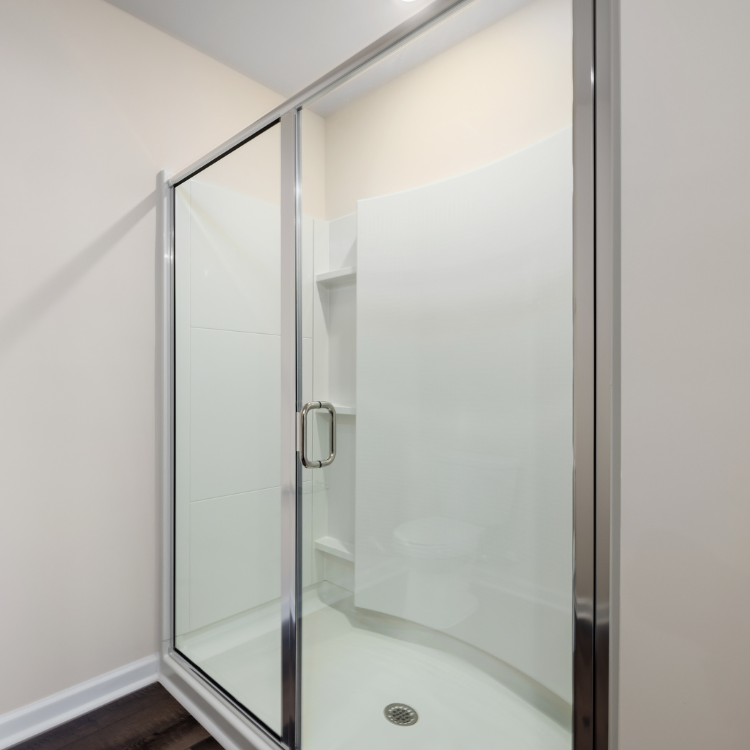
Frameless Shower Doors Creating Open-Air Bathroom Feel
A homeowner in Plano recently told us their remodel was stalled—not because they couldn’t pick tile, but because the bathroom felt “heavy.” They’d already chosen a beautiful vanity and lighting, yet the existing framed shower doors made the space look smaller and darker. When they stood in the doorway, they could see bulky metal edges and thick-looking glass framing that visually “boxed in” the shower.
In Dallas and across North Texas, that problem shows up a lot in modern homes: open-concept layouts, larger windows, and clean lines—then a shower system that adds visual weight. The good news is that the fix is usually not a full layout change. Often, switching to the right frameless shower doors solutions (with the correct glass thickness, hardware, and installation details) can give the same “open-air” feel homeowners are already designing for.
Quick Answer
Frameless shower doors create a lighter, more open bathroom look by removing bulky framing and letting light pass through the glass. For best results, plan around your shower’s layout (corner, alcove, or neo angle), confirm the glass thickness and hardware support, and ensure proper waterproofing and slope inside the shower. In North Texas, it also helps to choose hardware and glass details that hold up well against hard-water spotting and humidity.
Why Frameless Feels More Open (and What It Actually Changes)
Most homeowners think the difference is purely visual—and it is. But there’s also a functional side that matters during a remodel.
When we remove traditional shower frames, we typically reduce:
- Visual interruptions (fewer vertical and metal lines)
- The “box” effect of thick jambs and rails
- The way light bounces around the shower opening
In real installations, that “open” feeling comes from three details:
1) Glass size and sightlines
A true open-air look depends on how the door panels align with the shower walls. Even small adjustments to panel width or placement can change the sightline when you step into the bathroom. We often measure from multiple reference points, not just the tile edge, because tile can be out of plane by a few millimeters—enough to affect how the glass sits and seals.
2) Hardware that supports stability without adding bulk
“Frameless” doesn’t mean “unsupported.” It means the glass does the heavy lifting, with hardware designed for that job. Brackets, hinges, and pivot systems should match the glass weight and door swing so the door stays aligned over time.
3) Better integration with your waterproofing and thresholds
A clean door system also needs a properly prepared opening. If the shower is not sloped correctly or the waterproofing isn’t consistent, you can end up fighting recurring water behavior—even with premium glass.
Frameless vs Semi-Frameless Shower Doors
Homeowners often ask whether they should go fully frameless or choose a semi-frameless option for cost or flexibility. Here’s how we generally think about it in Dallas-area remodels:
| Option | Visual Impact | Typical Use Cases | What to Watch |
|---|---|---|---|
| Frameless | Most open and modern | Custom shower enclosures, premium remodels, tight sightlines | Proper alignment, correct hardware sizing, and seal placement |
| Semi-frameless | Slightly more “framed” look | Budget-sensitive projects, some alcove setups | The frame can still create visual heaviness; ensure it won’t interfere with door operation |
For many homeowners who want that “open-air” bathroom feel, frameless is the cleanest design move—especially when paired with clear, low-distortion glass.
What We Commonly See in Dallas Bathroom Remodels
In North Texas, we see a particular pattern: homeowners invest in tile, lighting, and a new vanity—then keep the older shower door system. The result is a mismatch in style and performance.
A few common scenarios we deal with:
- Hard-water buildup turning glass cloudy, especially near the handle and hinge line
- Older door alignment causing water to escape at the edges
- Updated tile walls that don’t perfectly match the old frame layout, leaving gaps that invite leaks
- New open-concept flooring plans where the shower becomes visible from the hallway—making the door’s visual weight more noticeable
One installer observation that matters: many “leaks” people blame on the door are actually tied to inside-the-shower drainage and slope. If water doesn’t move where it should, it pools at the threshold and works its way past seals over time.
Our Experience Installing Glass Systems in Texas Homes
Working across Dallas-area projects, we’ve learned something that surprised newer homeowners: the most expensive upgrade won’t look right—or last long—if the opening prep isn’t done correctly.
On-site, we pay close attention to:
- Tile plane and wall plumb (not just measurements on paper)
- Threshold condition (level matters for consistent door sealing)
- Hardware placement (hinge/pivot alignment affects door swing and long-term stress)
- Seal strategy (brush seals and contact points must be positioned intentionally)
If you’re planning a custom shower enclosure, these details are what separate “it looks good in photos” from “it stays clean, aligned, and functional for years.” You can explore our shower enclosure options to see how different layouts influence the hardware and sealing approach.
Common Mistakes Homeowners Make
1) Choosing the look first, then forcing the glass to fit
A lot of people pick a door style based on appearance alone. But the shower geometry—corner vs alcove vs neo angle—dictates what’s practical. When the design doesn’t match the space, you can end up with:
- awkward panel widths
- tighter-than-needed seals
- door hardware that’s under stress
2) Underestimating hard water’s effect on clarity and maintenance
Dallas-area water can be tough on surfaces. Even with high-quality glass, you’ll still see mineral deposits over time. If you choose a finish or hardware setup that traps water at the edges, cleaning becomes harder and spotting becomes more noticeable.
3) Ignoring how the door opens (and what it hits)
It’s easy to focus on the shower opening and forget the bathroom flow. In real homes, we often see doors that:
- collide with towels or storage
- restrict access near the vanity
- swing into a tight walkway
In tight bathrooms, homeowners sometimes end up happiest with sliding shower enclosure options—especially when the layout makes hinged doors frustrating.
Shower Glass Planning Checklist
Before installation, it helps to walk through a short planning sequence. Use this as a “no surprises” checklist:
- Confirm shower type: alcove, corner, or neo angle (each changes panel and hardware planning)
- Measure the opening accurately: account for tile thickness and any wall out-of-plumb conditions
- Choose glass thickness appropriately: thicker glass often improves stability and feel in frameless systems
- Decide on door operation: hinged, pivot, or sliding based on space and traffic flow
- Plan your seal strategy: where water will contact and how it will drain inside the shower
- Select hardware finishes: match fixtures (and consider how they’ll handle humidity)
- Plan for maintenance: decide how you’ll clean hard-water spots and protect the edges
- Coordinate with tile and waterproofing: glass can’t fix a drainage or waterproofing issue
What Actually Improves Bathroom Functionality
An open-air look is the goal, but function is what makes homeowners love their remodel day after day. In our installations, the best results usually come from pairing frameless glass with thoughtful enclosure design.
Consider upgrades like:
- Custom glass panels where you need splash control without visual clutter
- Decorative glass panels if you want privacy while keeping light flow
- Better storage integration using glass shelving or floating glass shelves (so the shower area stays streamlined)
If you’re thinking beyond the door and want a cohesive interior look, you may also enjoy our approach to custom interior glass upgrades—the same principles of light, alignment, and clean edges apply throughout the home.
Anonymized Case Example: The “Open Door” That Changed the Whole Bathroom
A homeowner in the Dallas area replaced an older framed shower system during a renovation that included new lighting and a modern tile palette. The shower was a corner setup, and the existing door had two issues:
1) it leaked along one edge after heavy use
2) the frame visually broke up the bathroom’s clean lines
We removed the old system and installed a frameless glass enclosure with hardware designed to support the glass weight and keep the door alignment consistent. The team also verified the shower threshold condition and confirmed the door seals contacted the right points. The homeowner’s feedback after the remodel was simple: the bathroom felt brighter and more spacious immediately—because the door no longer created a “frame within a frame.”
That’s the practical value: the open-air effect isn’t just style; it’s also about getting the sealing and drainage behavior right.
Dallas or North Texas Relevance: Why Local Conditions Matter
Dallas bathrooms live with two realities that affect shower glass performance:
- Humidity and temperature swings: even well-ventilated bathrooms experience moisture cycles that can stress hardware over time.
- Hard-water exposure: mineral deposits show up quickly in high-splash zones and near frequently touched hardware.
That’s why we don’t treat shower enclosure installation like a one-size template. We plan around the way water behaves in your specific shower, and we set the door system so maintenance is realistic—not something you dread every week.
If you’re also planning other glass features in your remodel, we often coordinate details across the project, from mirrors to architectural glass. For example, many homeowners pair their shower upgrade with custom mirror installations to keep the bathroom’s sightlines clean and consistent.
Signs It’s Time to Replace Shower Glass
Even high-end glass will eventually show wear. Consider a replacement if you notice:
- persistent leaks at the edges despite “tightening” attempts
- cloudy glass that won’t clean with reasonable effort
- door misalignment (it doesn’t close evenly)
- deteriorating seals or hardware that’s causing wobble
- new tile or layout changes that make the old system no longer fit correctly
Sometimes the glass itself is fine, but the system—hardware alignment, seals, or threshold—has shifted. A proper assessment saves money by targeting what’s actually causing the problem.
Maintenance and Care Checklist (So It Stays “New”)
A frameless enclosure can stay beautiful, but it needs a simple routine—especially here in North Texas.
Weekly (2–3 minutes):
- Rinse or wipe down the glass after showers when possible
- Focus on the areas where water collects near hinges/edges
Monthly:
- Use a glass-safe cleaner to remove mineral buildup
- Inspect door contact points and seals for wear
Hardware care:
- Dry hardware after cleaning to reduce spotting
- Avoid abrasive pads that can dull finishes
If you have decorative or etched glass:
- Clean gently and avoid harsh chemicals that can dull patterns over time
(We also support options like custom etched glass when privacy and design both matter.)
Ready to Upgrade Your Bathroom or Interior Glass Design?
If your goal is a brighter, more open bathroom—and you want the door system to stay aligned and sealed for years—plan carefully around your shower layout and installation details. The right frameless solution is as much about precision as it is about style.
About Shower Doors of Dallas
Shower Doors of Dallas provides frameless shower doors, custom shower glass, shower enclosures, mirrors, stair rail glass, and architectural interior glass solutions throughout Dallas, TX and surrounding North Texas communities. We focus on precision craftsmanship, durable materials, and helping homeowners create cleaner, brighter, and more functional spaces through professional custom glass solutions.
FAQ
Are frameless shower doors worth the investment?
For many Dallas-area homeowners, yes—especially when you want a modern, open-air look. Frameless systems typically reduce visual heaviness and can offer a cleaner sightline into the shower. The “worth it” part depends on installation quality: correct hardware sizing, proper sealing, and accurate shower opening prep matter as much as the glass itself.
How thick should frameless shower glass be?
Common choices are thicker panels (often to improve stability and feel). The exact thickness depends on the door size, panel configuration, and hardware design. A professional measurement and layout review is the safest way to confirm what’s appropriate for your specific shower enclosure.
Do frameless shower doors leak?
They can if the shower system isn’t planned correctly. Many leak issues come from threshold condition, inside drainage/slope, or improper seal placement—not from frameless design itself. When installed with the right alignment and sealing strategy, frameless enclosures are designed to perform well in real daily use.
What’s the easiest way to reduce hard-water spotting?
Wipe down glass after showers when you can, and use a glass-safe cleaner rather than abrasive products. Also pay attention to the edges and door contact points, since mineral buildup often starts there. Consistent maintenance beats aggressive cleaning later.
How long does a custom shower door installation take?
For a properly prepared project, installation is often completed in a single visit after measurements and fabrication. Larger remodels that involve waterproofing changes or multiple glass components may take longer. Your timeline depends on whether the shower is ready for installation when the glass arrives.