
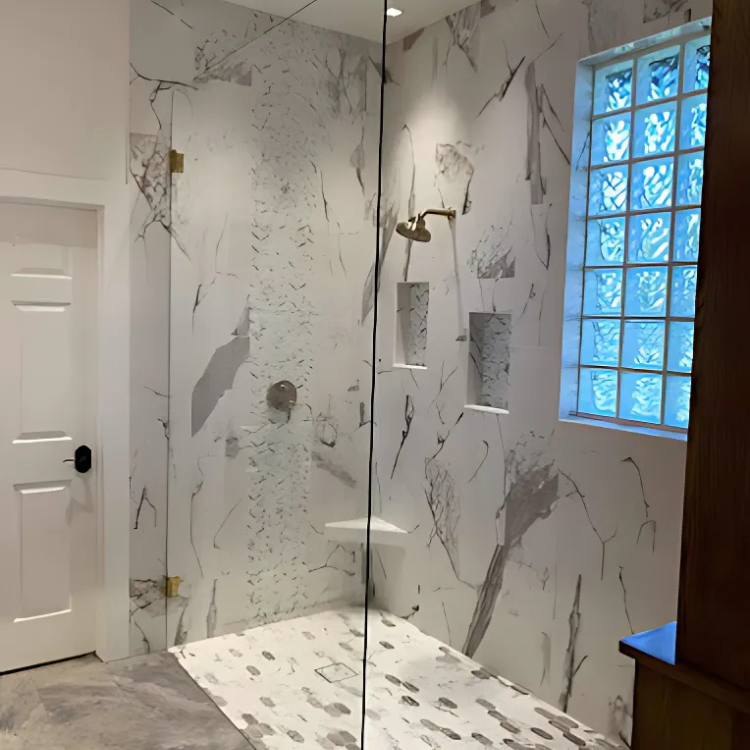
Shower Enclosures with Custom Fit for Every Niche
A bathroom remodel in North Texas can feel like a win—until the day you notice water creeping outside the shower. I’ve seen it happen after homeowners swap out older framed doors for “something modern,” only to find the glass enclosure doesn’t quite match the tile plane, the door doesn’t close square, or the hardware alignment wasn’t planned for the way their shower is actually built.
In Dallas, that problem shows up more often than people expect because many homes are dealing with the same real-world conditions: hard water deposits, frequent humidity swings, and tile work that’s beautiful—but not always perfectly uniform. When you’re investing in custom tile, new fixtures, and upgraded lighting, the shower enclosure has to be engineered to fit the niche you actually have, not the niche the contractor imagined on day one.
At Shower Doors of Dallas, we build and install shower enclosures that account for those details—so your glass looks clean, functions smoothly, and holds up to everyday use.
Quick Answer
For the best results, a shower enclosure should be custom measured to your specific opening, tile layout, and plumbing sightlines. Frameless and semi-frameless systems can both look sleek, but the “fit” matters more than the label—especially for preventing leaks and avoiding hardware stress. In Dallas and across North Texas, planning for hard water maintenance and proper glass thickness/safety glazing is also key to keeping shower doors clear and stable over time.
Why Custom Fit Matters (Especially in Real Dallas Remodels)
Let me paint a common scenario we run into: a couple remodels a primary bath in a Dallas neighborhood with a modern, open layout. They choose large-format tile and a frameless-style look because they want the bathroom to feel bigger and brighter. The shower gets a new bench and a niche for shampoo and soaps.
Then installation day comes.
If the glass contractor didn’t take into account:
- the exact tile reveal depth,
- the slope of the shower floor,
- and whether the niche interrupts the wall plane,
…the door may still “install,” but it won’t seal correctly. Even a small mismatch can create a gap where water finds its way out, or a door that rubs slightly and then wears out the hardware faster.
Firsthand installer observation: where most fit issues begin
On site, I often see the real issue isn’t the glass—it’s the wall geometry. Tile can make walls look straight in photos, but glass needs consistent contact points. When the enclosure isn’t measured for the tile’s real plane (not the drywall’s original plane), you can end up with uneven alignment. That uneven alignment can lead to:
- poor closure,
- faster hinge wear,
- and water escape at the bottom edge.
If you’re choosing a frameless design, that precision becomes even more important because the system relies on clean hardware placement and correctly prepared glass-to-tile contact points.
Frameless vs Semi-Frameless Shower Doors
Homeowners often ask whether “frameless” is always the best choice. The truth is more nuanced: both options can be excellent, but they solve different design and engineering needs.
| Option | Look | Typical Use | Fit Sensitivity | Maintenance Feel |
|---|---|---|---|---|
| Frameless shower doors | Clean, minimal lines | Modern, luxury bathrooms; open sightlines | High (requires accurate measurements) | Easy to keep looking crisp |
| Semi-frameless shower doors | Minimal framing, slightly more structure | Showers where walls need a touch more alignment support | Medium | Still straightforward with proper care |
If you’re interested in a more modern approach while keeping a bit of structure, you may like frameless shower door solutions that are designed around your exact opening and your shower’s real-world conditions.
What Homeowners Often Overlook
1) The niche isn’t “just storage”
A recessed niche changes the way the wall surface behaves. If the niche is framed or tiled slightly off-plane, it can affect how the glass panel and any return meet the wall. In a custom enclosure, we treat the niche as part of the engineering—not an afterthought.
2) “Sleek” doesn’t mean “simple”
A clean look is absolutely achievable, but it requires planning: door swing direction, handle placement, and the way the enclosure returns to the wall. If the swing clears the vanity and toilet, that’s great—but if the door isn’t aligned to the shower’s slope and threshold details, sealing can suffer.
3) Hardware choices change how long the door stays smooth
Not all hinges and pivots are the same. The door weight, glass thickness, and panel size determine what hardware should be used. If hardware is undersized for the door, it can loosen over time—especially with the constant rhythm of daily use.
If you’re exploring a specific style, it can help to compare options like frameless shower door solutions versus other configurations based on how your bathroom is laid out.
Common Mistakes Homeowners Make
Mistake #1: Choosing based on the showroom look, not the installed fit
A door that looks great in a photo can still leak if it’s not matched to your tile edges and wall plane. We measure for the shower you have—not the one you saw online.
Mistake #2: Ignoring water hardness and maintenance planning
Dallas hard water can make glass look dull faster than homeowners expect. If you don’t build maintenance into your routine, you’ll spend more time scrubbing and less time enjoying the clean look you paid for.
Mistake #3: Skipping slope checks during replacement
When shower floors aren’t sloped correctly (or when tile was reworked without accounting for drainage), water can sit longer. That increases soap scum and mineral buildup around the door edges and can worsen sealing performance.
Mistake #4: Treating replacement like a quick swap
Replacing old shower doors is rarely “just new hardware.” We usually need to verify:
- wall alignment,
- threshold condition,
- existing sealing surfaces,
- and whether the old system left behind irregularities.
Shower Glass Planning Checklist
If you’re remodeling now—or planning a replacement soon—this checklist helps prevent the classic “it was fine until we used it” situation.
- Confirm your opening measurements (tile-to-tile, not drywall-to-drywall)
- Check wall plane consistency near the niche, corner, and return panels
- Verify floor slope and drain behavior (water should clear, not pool)
- Choose the right glass thickness for stability and long-term rigidity
- Plan door style and swing for bathroom traffic flow
- Select hardware sized for the panel weight and movement
- Decide on a maintenance approach (hard water in North Texas is real)
- Review sealing strategy at bottom edges and any fixed-to-movable transitions
- Confirm safety glazing and installation practices (tempered/safety and proper mounting)
Glass, hardware, and installation recommendation
For most Dallas residential showers, we recommend focusing on two things first: precision fit and appropriate hardware sizing. When the enclosure is engineered correctly, even a minimal design holds up better. If you want a more space-efficient setup, consider sliding shower enclosure options—they can be a great match for bathrooms with tight clearance, but they still require careful track and panel alignment to avoid binding and water escape.
What We Commonly See in Dallas Bathroom Remodels
Dallas remodels often lean modern: clean lines, open sightlines, and upgraded lighting. That’s why the shift toward sleek shower enclosures is so popular. But modern design comes with tighter visual tolerances.
Here are the patterns we see most often:
- Large-format tile and minimal grout lines that emphasize any misalignment
- Niches built into the shower wall that affect panel attachment points
- Corner layouts where the return panel must be tailored to the exact angle
- Frequent hard-water exposure that makes glass clarity a daily concern
We also see homeowners who choose beautiful custom tile but don’t budget for the glass system as a true engineering component. When the glass enclosure isn’t treated as part of the build, you get leaks, misalignment, and accelerated wear.
Signs It’s Time to Replace Shower Glass
Sometimes replacement isn’t about style—it’s about performance. Consider upgrading if you notice:
- water consistently escaping at the door edges,
- hardware loosening or doors not closing smoothly,
- visible clouding that doesn’t respond to safe cleaning,
- damaged sealant lines or persistent staining,
- wobble or flex in fixed panels.
If your existing system is worn, a new enclosure can restore a clean look and reduce ongoing cleanup.
A Realistic Case Example (Anonymized)
A homeowner in North Texas replaced an older shower with a new tiled walk-in and added a recessed niche. They wanted a minimal look and selected a frameless-style system.
During installation, we found the niche area had a slight plane variation—small enough that it wasn’t obvious before glass, but enough to affect how the fixed panel met the wall. Instead of forcing the system to fit the assumption, we adjusted the installation approach to ensure the contact points were consistent and the door movement remained smooth.
The result: the enclosure closed evenly, the door didn’t rub during operation, and water stayed contained at the threshold during real daily use. The homeowner also appreciated that the glass stayed easier to clean because the sealing line wasn’t constantly exposed to pooled water.
Maintenance and Long-Term Care Checklist
A beautiful shower enclosure should stay beautiful. Here’s a practical routine that works well in Dallas conditions:
- Rinse after use if possible (even a quick water rinse helps)
- Use a non-abrasive cleaner to tackle mineral buildup
- Avoid harsh scrapers on glass edges and hardware surfaces
- Check seal lines periodically (especially after tile work or seasonal shifts)
- Keep weep paths and bottom edges clear if your system design includes drainage provisions
- Wipe high-contact hardware areas so soap residue doesn’t build up
- Don’t let water sit for days—especially if you’re seeing recurring haze
Dallas or North Texas Relevance: Why It Matters Here
Dallas homeowners deal with hard water, high humidity swings, and frequent shower usage—so the enclosure has to perform beyond appearance. A well-fitted shower system reduces the two biggest frustrations we hear:
1) recurring cleanup from mineral buildup around the door edges, and
2) water damage risk when sealing isn’t dialed in.
There’s also a local design trend toward minimalist, open-feeling bathrooms. That’s exactly why a custom-fit enclosure matters: it supports the modern look without sacrificing day-to-day function.
If your project includes more than just the shower, you might also consider coordinating other architectural glass elements—many remodels in the area include upgrades like custom shower glass and related interior transparency choices.
Optional FAQ Section
Are frameless shower doors worth it?
For many Dallas homeowners, yes—when they’re installed with precision. Frameless doors can look cleaner because they use minimal visual framing, which suits modern tile and lighting. The key is fit: correct measurements, proper hardware sizing, and sealing strategy determine performance. If your shower walls aren’t consistent, a good installer may recommend a semi-frameless approach or a specific door configuration to maintain alignment without forcing the system.
How thick should frameless shower glass be?
Most residential frameless systems commonly use thicker safety glass for stability. The exact thickness depends on the door size, panel height, and how the enclosure is configured (hinged, pivot, fixed, etc.). Your installer should recommend thickness based on your layout and hardware selection—not guesswork.
Do frameless shower doors leak?
They can, if the enclosure isn’t fitted correctly or if the shower floor slope and sealing details aren’t addressed. Many leaks come from misalignment, inadequate contact points at the tile, or doors that rub and gradually lose smooth closure. Proper installation and smart maintenance in hard-water conditions prevent most issues.
What’s the easiest shower glass style to maintain?
In general, systems with minimal joints and well-planned sealing lines are easier to keep clean. Smooth, properly aligned doors also reduce areas where water lingers. If mineral buildup is a concern, consider a maintenance-friendly coating plan and commit to a routine that targets hard-water deposits safely.
Ready to Upgrade Your Bathroom or Interior Glass Design?
If you’re planning a shower enclosure for a niche, a corner, or a modern walk-in layout, don’t treat glass as a last-minute add-on. The best results come from careful measurements, correct hardware selection, and an installation plan that matches how your shower was actually built.
About Shower Doors of Dallas
Shower Doors of Dallas provides frameless shower doors, custom glass installations, shower enclosures, mirrors, stair rail glass, and architectural glass solutions throughout Dallas, TX and surrounding North Texas communities. The company focuses on precision craftsmanship, modern design, durable materials, and helping homeowners create brighter, cleaner, and more functional spaces through professional custom glass solutions.