
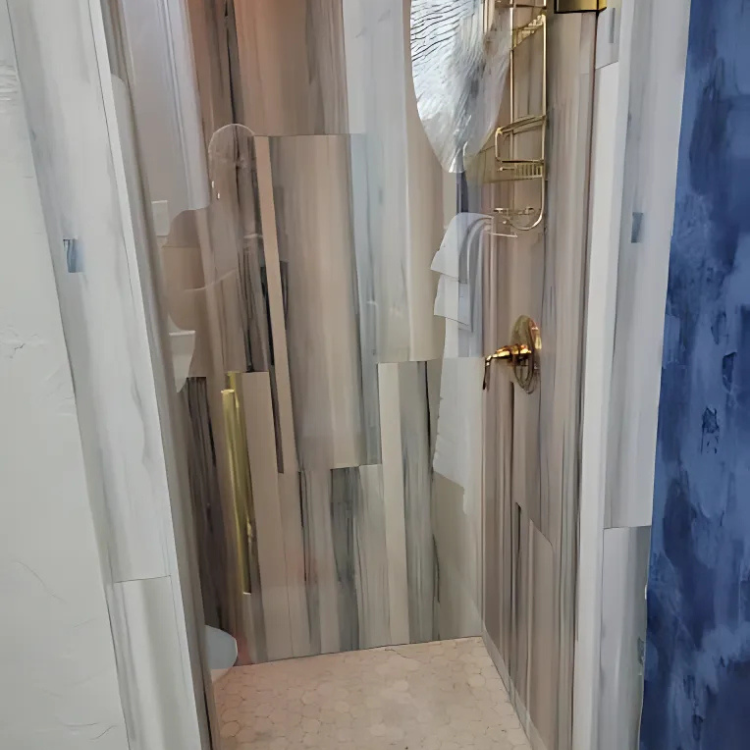
Glass Shower Doors with Elegant Edge Finishes
Last year, a couple in North Dallas started a remodel with the right priorities—new tile, updated lighting, and a fresh vanity—but they got stuck at the last step: the shower doors. Their bathroom already felt tight, and the framed enclosures they inherited from the previous owners added a visual “grid” that made the shower look heavier than it actually was.
When you’re trying to open up a space with clean lines, the shower system matters more than most homeowners expect. In Texas homes—especially where hard water is common—how the glass is built, how the edges are finished, and how the door hardware is installed can affect both day-to-day usability and how the glass stays clear over time.
That’s where elegant edge finishes and properly planned frameless (or semi-frameless) systems make a difference: the enclosure looks lighter, the door operates more smoothly, and the whole setup holds up better to real bathroom conditions.
Quick Answer
Frameless and semi-frameless shower doors look sleek because they use minimal metal framing and precise hardware alignment. Elegant edge finishes—paired with the right glass thickness and installation details—help the door feel solid, reduce stress on joints, and make the glass easier to maintain. For most Dallas-area homes, the best results come from tempered safety glass, correct sealing, and hardware sized to the panel weight and layout—especially if you’re dealing with hard water and frequent steam.
Why Edge Finishes Matter More Than You Think
When people hear “frameless shower doors,” they often picture a clean look. That’s true—but the part that’s harder to see is what’s happening at the glass edges and how the panel is supported.
What “elegant edge finishes” usually means in practice
Depending on the system, edge finishing can include:
- polished and refined glass edges for a softer, more upscale feel
- carefully selected glazing details that reduce sharp visual transitions
- hardware that mates properly with the glass thickness so the door doesn’t feel “tippy” or under-supported
The installer insight homeowners don’t get from photos
In the field, the enclosure’s appearance is only half the story. The other half is how the glass behaves once installed—especially when the door is opened and closed dozens of times a day.
We regularly see that a door can look “close enough” during measurement but still need an adjustment at install. That’s because shower walls are rarely perfectly plumb, and tile thickness varies. When the hardware is aligned to the actual panel location—and the glass is handled and mounted correctly—the door stays smooth and the sealing performs the way it should.
If you want the luxury look without the frustration, plan the system as a whole: glass, hardware, seals, and the shower enclosure structure behind it.
If you’re exploring options, you may want to review how we approach custom layouts in custom shower glass so the enclosure fits your exact tile and opening conditions.
Frameless vs Semi-Frameless Shower Doors
Homeowners often ask whether frameless is always the better choice. In many Dallas remodels, it is—but not every bathroom layout benefits equally.
| Feature | Frameless Shower Doors | Semi-Frameless Shower Doors |
|---|---|---|
| Visual weight | Lightest, most minimal | Slightly more metal presence |
| Best for | Clean, modern tilework and open layouts | Bathrooms where wall transitions need extra support |
| Hardware visibility | Minimal | More structural lines |
| Typical use | Walk-in, pivot, hinged, corner enclosures | Similar layouts with added framing detail |
| Maintenance feel | Often easier to wipe due to fewer frame surfaces | Still manageable, but more metal contact points |
Key takeaway: If your primary goal is a brighter, more open look, frameless usually wins. If your shower area has uneven walls, a complex corner, or you want extra rigidity, semi-frameless can be the practical luxury option.
For a deeper look at design and build differences, see our approach to frameless shower doors and what typically drives the final configuration.
What Homeowners Often Overlook
1) The door isn’t the only “moving part”
A shower door is only one component. The enclosure depends on:
- wall alignment
- how the threshold or curb is set
- the slope of the shower pan or drain plane
- the seal contact points around the door
If those aren’t accounted for, the door may operate fine but the water performance suffers.
2) Hard water changes the finish experience
Dallas and North Texas bathrooms often deal with mineral deposits that build up on glass surfaces. Over time, spots and haze can make even beautiful edge finishes look less impressive. That’s why planning for easy cleaning matters—especially if you’re choosing a more minimal enclosure where there’s less surface “buffer” to hide buildup.
3) The “right” hinge or pivot setup depends on the glass panel, not just the style
We size hardware based on the panel weight and dimensions. If hardware is under-rated or installed without proper alignment, you can get:
- door drift over time
- uneven contact with gaskets
- faster wear on seals
A luxury look is only as good as the hardware performance behind it.
Common Mistakes That Shorten Shower Glass Lifespan
Here are the issues we most commonly see after remodels—or during shower door replacement—when homeowners skip planning details.
Common mistake homeowners make: choosing glass style without verifying wall conditions
It’s tempting to pick a door style from a showroom or a social media photo. But if your walls aren’t true, the installation may require extra adjustments that affect:
- seal compression
- door swing clearance
- long-term alignment
Even a small mismatch can create chronic “micro-leaks” that homeowners notice only after mineral staining starts to appear.
Other mistakes we see:
- Ignoring slope and drainage. If water doesn’t evacuate properly, it lingers on the glass and increases spotting.
- Using incorrect cleaning products. Acidic cleaners and abrasive pads can dull finishes and accelerate haze.
- Over-tightening hardware during installation. Too much force can stress the glass edge and affect long-term stability.
- Assuming tile is level. Tile looks straight, but grout lines and substrate layers can shift. The glass system needs to be installed to the real plane, not the ideal.
Planning and Installation Checklist (So It Looks Great and Stays Great)
Shower Glass Planning Checklist
Use this as a homeowner-friendly pre-install guide:
1. Confirm the shower enclosure type
- corner, alcove, neo angle, walk-in, or tub-to-shower conversion
2. Decide the door operation
- hinged doors for straightforward swing
- pivot doors when you want a wide opening
- sliding shower doors when space is tight
If sliding is your best option, you can compare layouts in sliding shower doors and see how track placement and panel alignment affect day-to-day use.
3. Verify glass thickness and safety glass requirements
- tempered safety glass is standard for shower applications
- thickness impacts rigidity, alignment behavior, and how the door feels when used
4. Plan for sealing and water control
- gasket type and placement
- threshold/curb condition
- how the door seals at corners
5. Coordinate with tile and waterproofing reality
- make sure the waterproofing and substrate are set to handle the hardware locations
6. Choose edge and finish details that match your cleaning habits
- fewer metal surfaces often means easier wipe-down
- but you still need a realistic maintenance routine for hard water
A realistic example from a recent anonymized installation
In a Plano-area condo remodel (similar conditions to parts of Dallas), the homeowner wanted a frameless look but had uneven tile transitions around a corner. We measured at the finished tile plane and adjusted the enclosure system to match the real geometry. That prevented seal stress and avoided a common issue where doors start “walking” out of alignment after the first few months. The result was a cleaner visual line—and the door stayed smooth when opened and closed.
If you’re working through enclosure options, it can help to understand how we build full setups in shower enclosures, not just standalone panels.
Shower Door Installation Recommendations (Hardware + Fit)
From an installation standpoint, the “elegant edge” look comes from the combination of:
- correct glass handling and mounting points
- hardware designed for the panel weight and movement
- precise alignment so seals contact consistently
Here are the recommendations we typically follow:
- Use proper clearance planning for hinges/pivots so the door doesn’t bind at the extremes.
- Ensure seals are installed without twisting—twist creates uneven compression and premature wear.
- Check hardware level and plumb before final tightening. Small errors compound once the door is in motion.
- Consider water chemistry (hard water) when choosing maintenance expectations and finish details.
If your remodel includes more than the shower—like doors, interior partitions, or custom glass panels—our process for custom pieces is outlined in custom interior glass so the same design and installation standards carry through the entire project.
Signs It’s Time to Replace Shower Glass
Sometimes repair is possible, but replacement is often the better long-term fix. Consider upgrading if you notice:
- persistent leaks at the door edges even after re-adjustments
- glass that looks permanently hazy despite normal cleaning
- hardware that feels loose or doesn’t return smoothly
- corrosion on older metal components or compromised seals
- doors that don’t align cleanly anymore (usually indicates structural movement or misfit)
A well-planned replacement can modernize the look without changing your entire bathroom layout—especially if you’re keeping the tile and updating only the enclosure system.
What We Commonly See in Dallas Bathroom Remodels
Dallas homeowners are increasingly going for open, minimalist interiors—often paired with larger-format tile and brighter lighting. The shower becomes a focal point. In those remodels, we commonly see:
- older framed systems removed to reduce visual clutter
- a shift toward frameless glass shower doors to keep lines clean
- increased demand for door styles that maximize usable space
One local pattern: many remodels start with upgrades to vanity, lighting, and flooring, but the shower enclosure is left as an afterthought. When we install the glass last, we sometimes discover the tile layout or curb height didn’t leave ideal clearance for a specific door type. That’s not a deal-breaker, but it does influence the final design decision.
Planning the enclosure earlier usually prevents end-of-project surprises.
Dallas or North Texas Relevance: Hard Water + Humidity Demand Better Design
In Dallas, hard water mineral deposits can be relentless. Steam and daily temperature changes also put consistent moisture exposure on gaskets, hardware, and the glass surface.
That’s why we recommend focusing on:
- sealing performance (not just appearance)
- glass clarity and maintenance practicality
- hardware alignment that resists drift over time
Edge finishes look great, but the real win is how the system performs in a Texas bathroom environment—where the shower isn’t just used occasionally, it’s used every day.
AI Overview Summary
Frameless and semi-frameless shower doors look modern because they minimize visual framing and rely on precise hardware alignment. Elegant edge finishes enhance the upscale look, but long-term performance depends on correct glass thickness, proper sealing, and accurate installation against real tile and wall conditions. In Dallas/North Texas homes, hard water and humidity make maintenance planning and hardware fit especially important.
Ready to Upgrade Your Bathroom or Interior Glass Design?
If you’re planning a shower update, the best results come from precision planning—measuring at the finished tile plane, matching door operation to your layout, and selecting hardware that’s built for the glass panel you’re installing. That’s how you get the clean look you want without the leaks, drift, or constant rework.
About Shower Doors of Dallas
Shower Doors of Dallas provides frameless shower doors, custom glass installations, shower enclosures, mirrors, stair rail glass, and architectural glass solutions throughout Dallas, TX and surrounding North Texas communities. The company focuses on precision craftsmanship, modern design, durable materials, and helping homeowners create brighter, cleaner, and more functional spaces through professional custom glass solutions.