
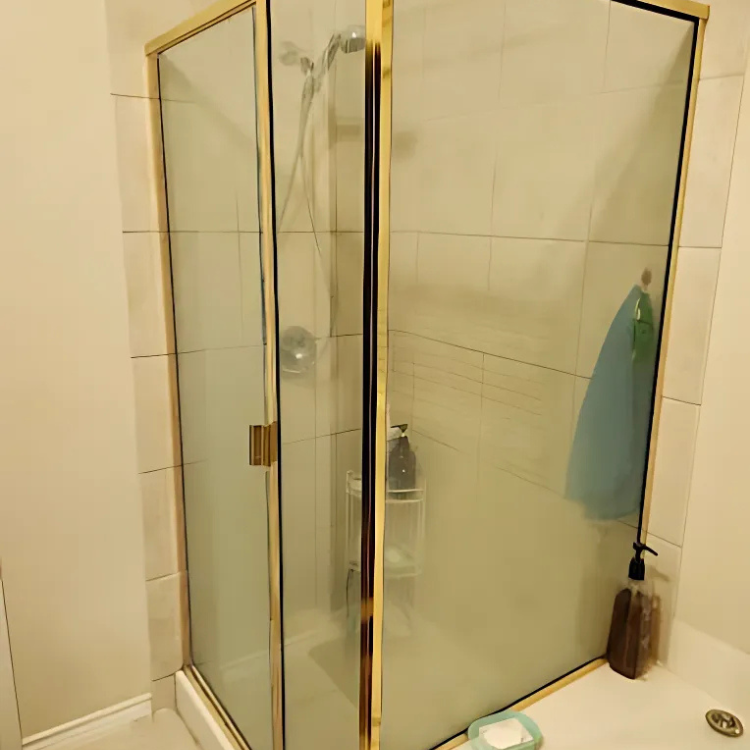
Sliding Shower Doors for Flexible Layouts and Privacy
You can tell a bathroom is headed for a remodel the moment the old shower setup starts stealing space. In many North Texas homes—especially in older Dallas neighborhoods and newer builds with “efficient” layouts—homeowners replace a bulky, framed shower door because it swings into the bathroom or forces you to awkwardly step around the opening.
Then there’s privacy. A common scenario we see: the shower sits in a shared guest bath, the toilet is visible from the hall, and the homeowner wants a clean, modern look without feeling exposed. Sliding shower doors solve both issues by keeping the entry clear and controlling visibility with the right glass panel design.
Over the years installing custom shower glass locally, I’ve learned that “sliding” isn’t just a style choice—it’s a system decision. Track placement, panel size, glass thickness, and how the door seals all impact whether your shower stays functional, looks sharp, and remains easy to maintain.
Quick Answer
Sliding shower doors work well when you need:
- a door that doesn’t swing into the bathroom
- a clean, modern appearance with fewer visual interruptions
- flexible configuration options (including partial privacy with fixed glass)
For best results, plan for the right glass type and thickness, confirm your wall conditions (straightness matters), and choose hardware built for daily use in humid, hard-water Dallas environments.
Sliding Shower Doors: How They Deliver Flexibility and Privacy
A sliding shower enclosure typically uses two or more glass panels that move along a track. What makes the layout flexible is how you can combine:
- fixed panels (great for stability and long-term alignment)
- sliding panels (great for easy access)
- corner or neo angle configurations (helpful when the bathroom footprint isn’t perfectly square)
From an installer’s perspective, the biggest advantage is that sliding doors can be designed to keep the walking path open—especially in baths where you also need clearance for a vanity door, linen closet, or a narrow hallway.
Privacy without making the space feel smaller
Privacy is usually handled in one of three ways:
1. Fixed glass placement: The fixed panel can block sightlines while the sliding panel provides access.
2. Decorative or etched accents: Frosted or etched glass sections are a popular compromise—private where it matters, transparent where you want brightness.
3. Panel height and layout: When the enclosure is designed correctly, you get a taller “visual barrier” without turning the bathroom into a dark box.
If you’re considering privacy glass, you may also like our approach to custom etched glass for targeted coverage rather than full-room opacity.
Frameless or Semi-Frameless with Sliding Panels?
People ask whether sliding doors have to be framed to work well. In practice, you have options:
- Frameless sliding systems lean on structural glass thickness, precise hardware alignment, and correct track anchoring.
- Semi-frameless systems add a small amount of framing support and can help in certain remodel situations where the walls aren’t perfectly straight.
The key is matching the system to your bathroom realities. Most “leak” problems aren’t caused by the sliding concept—they’re caused by installation variables like alignment, sweep/roller setup, and slope inside the shower.
If you’re also evaluating overall shower style, it helps to compare enclosure types and door systems. You can review our general sliding shower door solutions to see how different panel layouts affect access and water containment.
What Homeowners Often Overlook
In Dallas remodels, I regularly see homeowners invest heavily in tile, lighting, and fixtures—then underestimate how much the shower door layout affects daily flow.
Here are the planning details that get missed:
1) Wall straightness and out-of-square corners
Many bathrooms look “close enough” during a walkthrough, but sliding enclosures are unforgiving. A track anchored to a slightly out-of-level surface can cause:
- poor panel glide
- uneven sealing
- accelerated wear on rollers and guides
2) Track location vs. shower threshold
If the track sits too high or too low relative to the threshold, water management becomes harder. The result is more frequent wipe-downs and, in some cases, premature hardware corrosion.
3) Glass thickness vs. panel size
Large panels need the right thickness and hardware spacing. Lighter glass with undersized hardware can lead to more flex over time—especially when the door is opened and closed daily.
4) The “privacy compromise” that backfires
Some homeowners choose tinted or decorative glass everywhere to solve privacy. It often reduces natural light more than expected. A better approach is targeted privacy using fixed panels and selective decorative areas.
Common Mistakes That Shorten Shower Glass Lifespan
Sliding systems usually fail early for practical reasons, not mysterious ones. Here are the mistakes we see most often:
Mistake #1: Skipping the correct slope and water path
Even with the best glass, water still needs to move where it should. If the shower pan slope or drain behavior isn’t right, water sits longer, hits seals more often, and leaves minerals behind faster.
Mistake #2: Ignoring hard water film until it becomes “baked on”
Hard water in North Texas can leave mineral residue that dulls glass clarity. When that buildup gets heavy, it can:
- make rollers feel rough
- stress seals
- increase the effort needed to close the door smoothly
Mistake #3: Forcing the door when it doesn’t glide
If a sliding panel drags, the temptation is to “push harder.” That accelerates roller wear and can misalign the panel over time. A quick hardware adjustment is usually the smarter move.
Mistake #4: Choosing the wrong hardware finish for humidity
In Dallas bathrooms with strong humidity cycles (especially in houses with frequent showers or shared bathrooms), the wrong finish can corrode or pit sooner than expected.
Mistake #5: Treating shower glass like a one-and-done purchase
Custom shower glass is part of a system: tile plane, threshold alignment, and hardware fit all matter. If any part is off, the glass may still be beautiful, but performance will suffer.
Shower Glass Planning Checklist (Before You Order)
If you’re planning a remodel, this checklist helps you avoid surprises during installation—because the “right” sliding door depends on real measurements and jobsite conditions.
Measurements & site checks
- Confirm the opening dimensions at multiple heights (walls aren’t always square)
- Measure the shower threshold height and whether it’s level
- Check that the tile surface plane is consistent where the track mounts
- Verify there’s clearance to slide without hitting a vanity, toilet, or towel bar
- Decide how many panels you want to move vs. keep fixed
Glass and hardware decisions
- Choose appropriate glass thickness for the panel size
- Select hardware designed for daily use in humid environments
- Plan for seal coverage and how the door will meet the fixed panel
- Consider decorative options for privacy (etched or patterned coverage)
Maintenance planning
- Determine what cleaning routine you’ll realistically maintain
- Decide whether you want a design that reduces visible water lines (often achieved with smart placement and panel overlap)
Installation readiness
- Confirm the shower is complete enough for glass measurement and templating
- Plan for final caulking/finishing details that protect edges and seams
If your goal is a cohesive bathroom update, it may be worth exploring frameless glass shower doors as well—many homeowners end up mixing frameless clarity with sliding convenience depending on their layout.
A Realistic Case Example: Dallas Guest Bath Remodel
One of the most common projects we handle is the “guest bath upgrade with limited space” scenario.
A homeowner in the Dallas area had an older shower enclosure with a hinged door. The bathroom layout was tight: the door swing interfered with traffic to the vanity, and the shower felt cramped. They also wanted privacy because the shower was visible from the hallway.
We helped them redesign the enclosure with:
- a sliding panel for easier access
- a fixed panel to block direct sightlines
- a targeted privacy option using custom interior glass concepts so the bathroom still felt bright
During installation, the most important takeaway was what we always check: the track alignment relative to the tile plane. The homeowner had a beautiful tile surface, but it wasn’t perfectly level where the hardware needed to mount. Correcting that alignment during install made the difference between a door that glides smoothly and one that drags or doesn’t seal evenly.
The result wasn’t just “prettier glass.” It was a shower enclosure that worked every day—without the constant wipe-down battle.
Dallas / North Texas Relevance: Why Sliding Systems Matter Here
Dallas bathrooms face a specific mix of challenges: hard water, high humidity from daily shower routines, and remodel schedules that often prioritize appearance first. Sliding shower doors are especially practical in this region because many homes favor modern, open-feeling interiors and efficient layouts.
In North Texas, we also frequently deal with:
- remodels where the tile plane and wall alignment vary from room to room
- shared bathrooms that demand real privacy
- households that want glass that stays clear without turning daily cleaning into a chore
A properly planned sliding enclosure can reduce daily friction—literal and visual—while helping your shower system perform reliably.
If you’re comparing shower enclosure setups more broadly, you can also explore shower enclosures for configuration ideas that fit different bathroom shapes.
Quick Comparison: Sliding vs. Hinged (When Space Is Tight)
| Feature | Sliding Shower Doors | Hinged Shower Doors |
|---|---|---|
| Clearance needs | Lower (door doesn’t swing) | Higher (swing radius required) |
| Best for | Narrow bathrooms, traffic flow | Larger bathrooms with space for swing |
| Privacy options | Strong with fixed panel placement | Strong with layout and glass choice |
| Hardware complexity | Track + rollers | Hinges + pivot points |
| Common performance issues | Track alignment, seal fit | Hinge alignment, clearance, leaks at swing edge |
Sliding often wins when the bathroom can’t afford a swing door. Hinged can be simpler in some layouts—but if your goal is flexible access and consistent daily use, sliding is a smart choice.
Signs It’s Time to Replace Shower Glass
Even with good care, shower glass eventually needs attention. Consider replacement if you notice:
- persistent water leakage around the edges despite cleaning and basic maintenance
- rollers that drag, grind, or start sticking
- glass that looks permanently cloudy in high-visibility areas
- chips or cracks along edges or corners
- seals that no longer compress or appear separated
Replacing the right components early can prevent further issues with tile and framing elements. If your current setup includes problematic door hardware or worn glass panels, it’s often more cost-effective to update the enclosure system than to keep patching the same performance problems.
FAQ
Are sliding shower doors worth it for privacy?
Yes—sliding doors can be excellent for privacy when the enclosure includes a well-placed fixed panel or uses decorative glass strategically. Instead of hiding the entire shower area, many homeowners choose targeted privacy (like etched sections) where sightlines matter most. The key is planning the panel layout so access stays easy while the glass placement blocks direct views.
Do sliding shower doors leak?
They can, but leakage usually points to installation or alignment issues rather than the sliding concept itself. Common causes include improper track placement, uneven tile plane, incorrect seal contact, or water flow problems inside the shower. When the enclosure is templated and installed correctly, sliding systems can perform reliably.
What’s the easiest glass style to maintain?
In general, clear tempered glass with the right coating/cleaning routine is straightforward, but etched or decorative glass can also be low-maintenance because mineral staining is less visually obvious. The “easiest” option depends on where water hits, your bathroom ventilation, and how often you’ll wipe after showers.
How do I keep hard water from dulling the glass?
Use a consistent routine: a gentle glass cleaner and microfiber cloth, plus periodic treatment for mineral buildup. Avoid abrasive tools on edges and seals. Also, keep the door gliding smoothly—if rollers drag, it often means grime is building up in ways that make maintenance harder.
Ready to Upgrade Your Bathroom or Interior Glass Design?
If you’re considering a sliding setup, don’t rely on “typical measurements” from a previous shower. The difference between a door that looks great and one that seals and glides for years is precision—especially with Dallas hard-water conditions and real-world wall/tile variations.
About Shower Doors of Dallas
Shower Doors of Dallas provides frameless shower doors, custom shower glass installations, shower enclosures, mirrors, stair rail glass, and architectural glass solutions throughout Dallas, TX and surrounding North Texas communities. The team focuses on precision craftsmanship, modern design choices, durable tempered safety glass, and homeowner-friendly planning—so your bathroom looks clean, feels open, and performs reliably for the long run.